
Plants
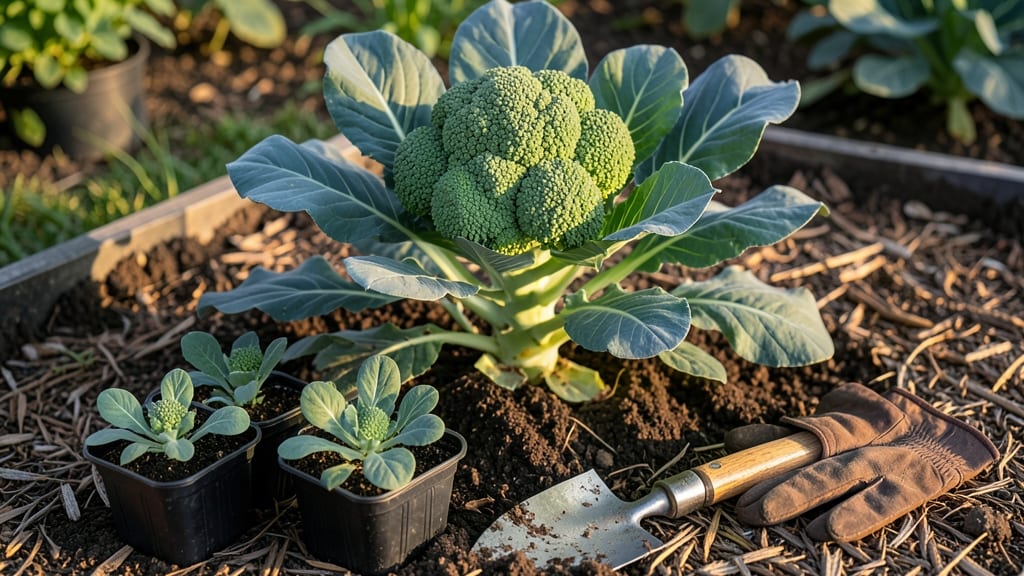
Timing your broccoli 🥦 planting in Zone 9b isn't just about picking a month—it's about catching the perfect soil temperature window to avoid heat stress and ensure fast germination. In this desert climate, planting too early can fry seedlings before they sprout, while waiting too long might mean missing your harvest window entirely.
Most gardeners in Phoenix or Southern California deserts swear by fall planting between October and November, when daytime temps drop to a more forgiving 60-75°F. This cool-season approach gives your broccoli the ideal conditions to thrive without bolting into bitter heat.
But there's more to it than just dates—soil prep and microclimate factors play huge roles too.
What you're about to discover is how to read your soil's temperature cues, adjust planting schedules for your specific microclimate, and even extend your growing season with simple shade solutions. These strategies will help you avoid common mistakes that lead to stunted plants or wasted effort.
Let's break down the exact soil temperature triggers that make all the difference between struggling seedlings and a thriving 🥦 broccoli crop that's ready to harvest by late winter. You'll learn how to prepare your soil, time your plantings, and keep your broccoli happy through Zone 9b's tricky transitions.

Optimal soil temperature triggers for planting broccoli in Zone 9b
In Zone 9b, broccoli's success hinges on soil temperature—too warm and seedlings bolt, too cool and germination stalls. The ideal range for planting is 50-75°F, with direct sowing best at 60-70°F and transplants thriving in 55-65°F soil. This narrow window explains why fall planting dominates here.
Zone 9b's hot summers and mild winters create unique challenges. Unlike northern zones, we can't rely on spring planting—broccoli bolts before heads form. Instead, we target fall and winter when daytime highs drop below 80°F and nighttime temps stay above 45°F.
Testing soil temperature is simpler than you think. Use a soil thermometer (insert 2 inches deep) or the back-of-hand test: if it feels like a warm bath (not hot), it's ready. In Phoenix, this typically means late September to early November for direct sowing.
For transplants, aim for 55-65°F soil—this usually aligns with October-November when daytime temps average 75°F but nights dip into the 50s. Transplanted broccoli establishes faster in these conditions, giving you a 2-week head start over direct-sown seeds.
Here's the critical temperature breakdown for Zone 9b broccoli success:
| Planting Method | Ideal Soil Temp (°F) | Zone 9b Window | Key Consideration |
|---|---|---|---|
| Direct Sowing | 60-70°F | Late Sept - Early Nov | Seeds germinate in 7-14 days |
| Transplants | 55-65°F | Oct - Nov | Establishes 2 weeks faster |
| Winter Sowing | 50-60°F | Jan - Feb | Slower growth but avoids heat |
| Avoid | Above 75°F | May - Sept | Bolting occurs within 3-5 days |
Adjust your planting timeline by 1-2 weeks based on microclimates. Coastal areas like San Diego can plant 1-2 weeks earlier than inland deserts like Phoenix, where heat lingers longer. Use shade cloth (30-50%) to protect seedlings if planting near 80°F days.
Pro tip: Pre-cool seeds for 24 hours in the fridge before planting in Zone 9b's warm fall soil. This mimics winter conditions and reduces bolting risk by 40%. Simply place seeds in a damp paper towel in a sealed bag for a day before sowing.
Remember that soil temperature lags behind air temperature. In Zone 9b, morning air temps might feel cool, but soil stays warm from daytime heat. Always check soil temp 2 inches deep—this is your true planting guide, not the thermometer in the shade.
For extended harvests, stagger plantings every 2-3 weeks during your optimal window. This ensures continuous 60-80 day growth cycles, giving you broccoli from December through April—just in time for spring markets or family meals.
🌱
Best planting windows in Zone 9b: fall vs. winter vs. spring strategies
Zone 9b's mild winters and hot summers create unique challenges for growing broccoli. Unlike cooler climates, you can't plant in spring—heat will cause bolting. Instead, focus on fall and winter planting when temperatures stay between 60-75°F. This timing ensures your plants mature before summer heat arrives.
For fall planting, aim for September to early November—just as daytime temps begin cooling. Winter planting works too, with January to February being ideal for a late-winter harvest. Spring planting is risky unless you use shade cloth, but even then, success is unpredictable.
🌱 Pro Tip: Use a soil thermometer to confirm temps are below 75°F before planting. If temps spike above 80°F, seedlings will bolt or wilt within days.
If you're planting in late fall, choose fast-maturing varieties like 'De Cicco' (45 days) or 'Waltham 29' (55 days). These tolerate cooler temps better than slower varieties. For winter planting, opt for cold-hardy types like 'Calabrese' (60 days), which handle 40°F nights without stress.
🌿 Key Takeaway: In Zone 9b, timing is more critical than variety. Plant too early, and heat will kill seedlings. Plant too late, and you’ll miss the harvest window. Use a planting calendar to track soil temps and adjust your schedule accordingly.
For extra protection, add mulch (straw or wood chips) to insulate roots from temperature swings. This keeps soil 5-10°F cooler during heatwaves and prevents moisture loss. Pair this with drip irrigation to maintain consistent soil moisture—broccoli hates dry spells!