
Plants
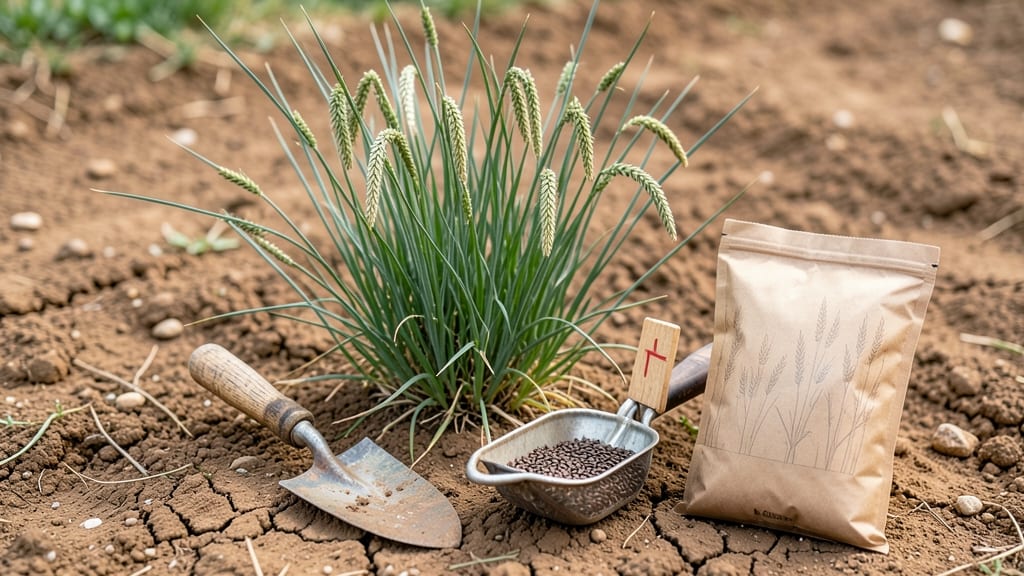
Timing your Brome Grass planting in Kansas could make the difference between a lush, drought-resistant lawn and a patchy, struggling yard. The perfect window—late summer to early fall—lets this hardy grass establish deep roots before winter's chill sets in.
Why does this matter? Kansas' 5b-7a climate swings from scorching summers to early frosts, and planting too soon risks seed washout, while waiting too long can leave your grass vulnerable to winter stress.
I’ll break down the exact months that work best for your region, whether you're in the eastern humid zones or the drier western plains.
You’ll also discover how to prep your soil, choose the right variety (smooth brome vs. rescue grass), and avoid common mistakes that Kansas gardeners often make. Let’s get your 🌾 Brome Grass off to a strong start—no guesswork, just proven results.
Ready to transform your landscape? The key is in the timing, and I’ve got the exact schedule you need to succeed in Kansas’ unpredictable growing season.
Best months to plant brome grass in Kansas for optimal growth
Planting brome grass in Kansas requires precision to avoid frost damage or weak root establishment. The ideal window is late summer to early fall, when soil temperatures stay warm enough for germination but nights begin cooling—perfect for root development before winter dormancy.
For Kansas’ USDA Zones 5b-7a, aim for August through September. This timing aligns with the last frost date (around April 15) and first frost (typically October 15), giving seeds 60-80 days of warm soil to establish roots.
Why this timing? Early spring planting risks late frosts that can kill young seedlings, while planting too late leaves insufficient time for roots to harden before winter. Kansas’ western regions (like Wichita) may shift planting 1-2 weeks earlier due to drier conditions.
Here’s how Kansas’ regional variations influence planting: Eastern Kansas (e.g., Kansas City): Humidity helps germination, but watch for late summer rain delays. Central Kansas (e.g., Salina): Hotter, drier—plant early August to avoid drought stress. Western Kansas (e.g., Garden City): Arid conditions demand deeper watering; plant late August for cooler soil.
🌾 Kansas Brome Grass Planting Comparison
| Region | Best Planting Window | Soil Temp Threshold | Key Consideration |
|---|---|---|---|
| Eastern Kansas | Late August–Early Sept | 60–65°F | Humidity aids germination |
| Central Kansas | Early–Mid August | 65–70°F | Drought risk; water deeply |
| Western Kansas | Late August–Sept | 55–60°F | Arid conditions; mulch helps |
For smooth brome grass (common for lawns), plant seeds 1/4 inch deep in well-draining soil with 60% sunlight exposure. Rescue grass (used for erosion control) tolerates partial shade but still prefers late summer planting.
Pro tip: Test soil pH (6.0–7.5) before planting. Kansas’ calcareous soils often need gypsum or compost to improve drainage. Amend 2–3 weeks before seeding for best results.
After planting, keep soil moist but not soggy for 4–6 weeks—critical for seedling establishment. Use a light mulch (straw, not wood chips) to retain moisture and suppress weeds without smothering young grass.
Watch for crabgrass competition in early spring. Pre-emergent herbicides applied in March can protect your brome grass without harming it, as it germinates in fall.
By following these region-specific timelines, your brome grass will establish deep roots before winter, ensuring lush growth next spring—no matter where in Kansas you garden. 🌱
How Kansas weather affects brome grass planting success
Kansas’ unpredictable weather can make or break your brome grass success. The first frost typically arrives by October 15, but western Kansas sees it earlier—sometimes as soon as mid-September.
Planting too close to frost risks shallow roots that won’t survive winter. Meanwhile, heatwaves in July can dry out seeds before germination, especially in western plains where drought is common.
Rainfall patterns also play a critical role. Eastern Kansas averages 35-40 inches annually, while western regions get less than 20 inches. If you’re in Wichita or Garden City, prioritize deep watering schedules to prevent seed desiccation.
Conversely, Kansas City’s humid summers can lead to fungal issues if seeds aren’t planted at the right soil temperature—aim for 60-70°F for optimal sprouting.
Here’s the biggest weather-related pitfall: planting in early spring (March-April). While soil may feel warm, late frosts can still hit, stunting growth. Even if seeds sprout, they’ll struggle to outpace weeds in the competitive Kansas growing season.
The late summer window (August-September) gives seeds 8-10 weeks to establish roots before winter dormancy—ideal for Kansas’ USDA zones 5b-7a.
⚠️ Kansas Weather Warning
Avoid planting brome grass during these high-risk periods in Kansas:
- May-June: Heat spikes (90°F+) can bake seeds before germination.
- October-November: Early frosts (below 32°F) kill young seedlings.
- Drought years: Western Kansas may need supplemental irrigation for 4+ weeks post-planting.
Pro Tip: Check the National Weather Service for 7-day forecasts before planting—clear skies and consistent temps are key.
For eastern Kansas (e.g., Topeka or Lawrence), focus on late August planting to capitalize on warm soils and steady rainfall.
In western Kansas (e.g., Hays or Dodge City), shift to early September to escape summer’s brutal heat and take advantage of cooler nights that reduce stress on young plants.
One regional hack for Kansas growers: use mulch (straw or wood chips) after planting to retain moisture and regulate soil temps. This is especially critical in sandy soils (common in central Kansas) that drain too quickly. A 1-inch layer can improve germination rates by 30-40% in dry years.
Finally, monitor wind patterns—Kansas’ prevailing westerlies can blow seeds away if not properly raked into soil. After planting, gently press seeds into the top 1/4 inch of soil and water lightly to settle them. This simple step can double your success rate in windy Great Plains conditions.