
Plants
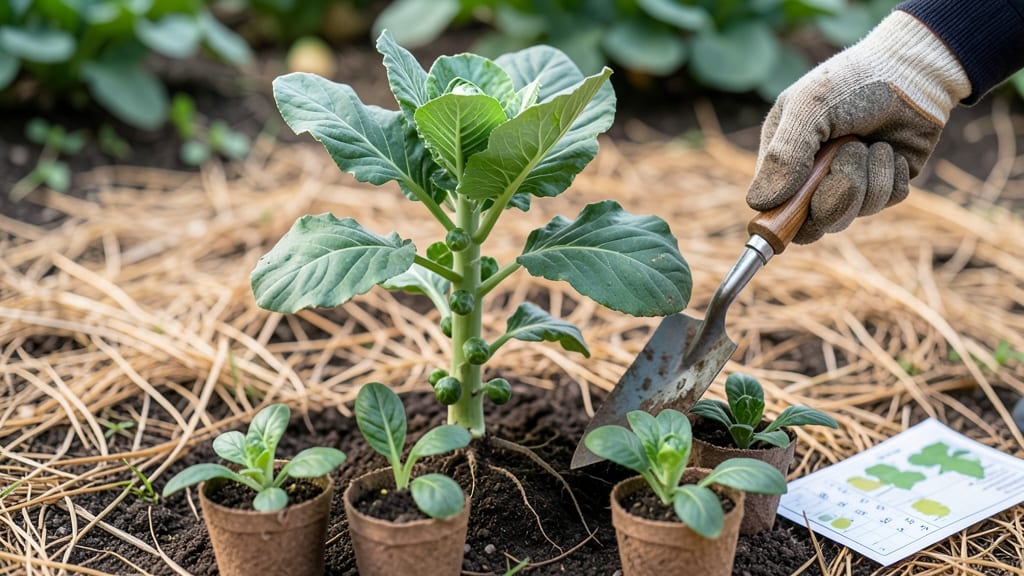
If you’ve ever planted Brussel sprouts in Kentucky only to watch frost nip your seedlings or heat stress your plants, you’re not alone.
The key to a thriving harvest lies in understanding when to plant them—because timing here isn’t just about the calendar, it’s about surviving Kentucky’s unpredictable swings from 75°F summers to Zone 6-7 winters.
Most gardeners know spring is the classic window, but did you realize fall planting can actually yield bigger, sweeter sprouts? I’ll break down the exact frost-free deadlines for both seasons, so you can avoid common pitfalls like bolting or stunted growth.
Whether you’re starting from seeds or transplants, this guide keeps your 🌱 Brussel sprouts on track for a bumper crop.
Kentucky’s climate throws a curveball—hot summers can scorch young plants, while early frosts turn seedlings to mush. I’ll show you how to work with these quirks, from soil prep tricks to variety choices that thrive in Zones 6-7.
Ready to grow Brussels that stand up to Mother Nature’s mood swings?
Let’s dive into the perfect planting schedule, so you can enjoy homegrown sprouts from summer straight through fall—without the guesswork. Your garden (and taste buds) will thank you.
Brussel sprout planting calendar for Kentucky (Zones 6-7): seed vs. transplant deadlines
Kentucky’s Zone 6-7 climate offers two ideal windows for planting Brussel sprouts: early spring and late summer. The key is avoiding late frosts and summer heat, which can stress plants.
For Zone 6 (northern KY), aim for 4–6 weeks before last frost (typically mid-March to early April), while Zone 7 (southern KY) can start slightly later, around late March to mid-April.
In Kentucky, late summer planting (August to early September) works too, giving plants time to mature before fall frosts. This method often yields sweeter sprouts since cooler temps prevent bolting. Just ensure soil temps stay above 40°F—critical for germination.
Direct sowing is best for Kentucky gardeners, but transplants work too if started indoors. For seeds, sow 4–6 weeks before last frost (Zone 6: March 15–April 1; Zone 7: March 30–April 15). For transplants, wait until soil reaches 50°F (usually mid-April to early May).
Here’s the critical timeline: Spring (March–April) for early harvests, Summer (August–September) for fall crops. Miss these windows, and you risk stunted growth or frost damage. Kentucky’s average first frost (October 15–November 1) sets the late-summer deadline.
| Planting Method | Zone 6 Deadline | Zone 7 Deadline | Soil Temp | Notes |
|---|---|---|---|---|
| Direct Sowing (Spring) | March 15–April 1 | March 30–April 15 | 40°F+ | Thin to 18" apart |
| Transplant (Spring) | Mid-April–May 1 | Late April–May 10 | 50°F+ | Hardy transplants |
| Direct Sowing (Fall) | August 1–September 1 | August 15–September 10 | 50°F+ | Avoid bolting |
For Zone 6 gardeners, late August is your last chance for fall planting—aim to harvest before first frost (October 15). In Zone 7, extend to early September for a longer harvest window.
Always check your local last frost date (Kentucky State University’s Ag Weather Center is a great resource).
Pro tip: Use row covers in early spring to protect seedlings from late frosts (common in Kentucky’s transitional weather). For fall crops, opt for frost-tolerant varieties like ‘Long Island Improved’ or ‘Tuxedo’ to handle cooler temps.
Soil prep matters too. Amend with compost to improve drainage—Brussel sprouts hate soggy roots. Test your soil’s pH (6.0–7.0 ideal) and add lime if needed. Kentucky’s clay-heavy soils benefit from raised beds or mound planting to prevent waterlogging.
Harvest timing varies by variety but typically 90–120 days after planting. Start picking from the bottom up once sprouts reach 1–1.5 inches in diameter. In Kentucky, this usually means late September–November for spring plantings and December–January for fall crops.
Missed the spring window? Don’t panic—late summer planting still yields great results. Just monitor soil moisture closely during Kentucky’s hot, dry spells (July–August). Mulch heavily to retain moisture and regulate soil temps.
🌱
Brussel sprout planting calendar for Kentucky (Zones 6-7): seed vs. transplant deadlines
Kentucky’s USDA Zones 6-7 offer two ideal windows for planting brussel sprouts: early spring and late summer. The key is avoiding late frosts (below 28°F) and summer heat (above 80°F).
In Zone 6, your last frost typically falls around April 15, while Zone 7 gardeners can plant slightly later, around April 30. For fall crops, aim for August 1–15 to ensure harvest before winter sets in.
Direct-sowing seeds is best for spring planting, while transplants work well for both spring and fall. Seedlings need 4–6 weeks of indoor growing before transplanting outdoors.
Soil temperature should stay above 40°F for germination and below 75°F to prevent bolting. Kentucky’s humid summers make shade cloth a game-changer for late-summer plantings.
| Planting Method | Zone 6 Deadline | Zone 7 Deadline | Soil Temp | Notes |
|---|---|---|---|---|
| Direct Sowing (Spring) | March 15–April 15 | March 30–April 30 | 40°F+ | Use row covers for frost protection |
| Transplant (Spring) | April 1–May 1 | April 15–May 15 | 45°F+ | Hardy transplants survive light frosts |
| Direct Sowing (Fall) | August 1–15 | August 15–30 | 60°F+ | Use shade cloth for heat protection |
| Transplant (Fall) | July 15–August 15 | July 30–August 30 | 50°F+ | Avoid bolting with afternoon shade |
For Zone 6 gardeners, prioritize spring planting by March 15 to harvest by October 15. In Zone 7, you can push fall plantings later—up to September 1—thanks to milder winters.
Always test your soil’s pH (6.0–7.0) before planting, as Kentucky’s clay-heavy soils often need compost or aged manure for optimal drainage.
Stagger your plantings every 2 weeks in spring and 3 weeks in fall to extend your harvest. For example, sow seeds on March 15, March 30, and April 15 for a continuous crop.
This strategy works especially well in Kentucky’s variable climate, where sudden cold snaps or heatwaves can disrupt growth.
Remember: Brussel sprouts need 60–90 days to mature, so calculate backward from your first expected frost (typically November 15 in Zone 6 and December 1 in Zone 7). If you’re unsure about frost dates, check your local Cooperative Extension Service for precise timelines.
Pro tip: Mark your calendar for September 1—this is the last chance to start fall transplants in Zone 7. Use black plastic mulch to warm the soil faster and give your plants a head start before cooler weather arrives. 🌱