
Plants
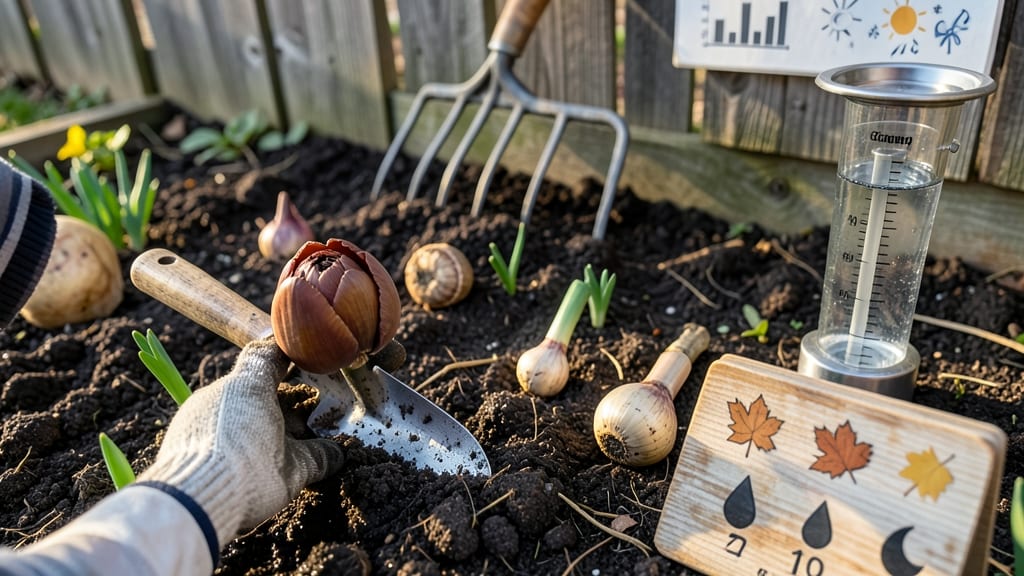
When to plant bulbs in Kansas isn’t just about guessing—it’s about unlocking vibrant blooms that defy the state’s unpredictable frost cycles. One wrong move, and you could end up with rotten bulbs or missed spring color. But get it right, and you’ll enjoy zero-frost success with tulips, daffodils, and crocuses that thrive year after year.
The key lies in understanding Kansas' USDA zones 5b-7a, where frost can strike as early as mid-October or linger until April. Planting too late in fall risks freezing before roots establish, while spring planting often fails because bulbs need cold stratification to bloom.
I'll show you exactly when to plant in each zone—plus how to adjust for Kansas' variable weather—so you never miss a bloom again.
Most gardeners know fall is the prime window for planting, but did you know March-April can work for certain varieties? We'll break down the best bulbs for your region and how to prep your soil for maximum success.
With these strategies, you'll transform your Kansas garden into a springtime masterpiece without the guesswork.
Ready to stop wasting money on bulbs that never bloom? Let's dive into the exact planting schedule that works for your zone, plus pro tips to protect your investment from Kansas' fickle frost patterns. Your future spring garden starts with the right timing—let's make it happen.
Kansas bulb planting calendar by hardiness zones (5b-7a)
Kansas spans USDA hardiness zones 5b through 7a, meaning frost dates vary dramatically from northern to southern regions. In Zone 5b (e.g., Salina, Hays), the first frost typically arrives by mid-October, while Zone 7a (e.g., Wichita, Tulsa) can delay frost until late November.
This variance means your planting window shifts by 4-6 weeks depending on location.
For spring-flowering bulbs like tulips and daffodils, timing is critical—they need 6-8 weeks in the ground before winter to establish roots. Planting too late risks frost damage or even rot if the ground stays warm.
Meanwhile, fall-blooming bulbs (e.g., crocus, allium) have more flexibility but still thrive with early fall planting.
Here’s how to align your planting with Kansas’ zones for zero-frost failures:
| Zone | First Frost | Ideal Planting Window | Bulb Types |
|---|---|---|---|
| 5b (Northern KS) | Mid-October | September 15–October 15 | Tulips, daffodils, hyacinths |
| 6a (Central KS) | Late October | October 1–November 1 | Crocus, allium, grape hyacinths |
| 7a (Southern KS) | Late November | November 1–December 1 | Daffodils, fritillaria, late tulips |
If you miss the fall window, don’t panic! Some bulbs (like tulips and daffodils) can handle spring planting—just get them in by March before shoots emerge. However, spring-planted bulbs often bloom 2-3 weeks later than fall-planted ones, so plan accordingly for your garden’s timeline.
For Zone 5b gardeners, prioritize early September planting to beat frost. In Zone 7a, you can stretch planting into early December, but avoid planting after the ground freezes—bulbs won’t root and will rot over winter.
Use mulch (3–4 inches) after planting to insulate bulbs and extend your window by 1–2 weeks.
Kansas’ unpredictable weather can throw off even the best-laid plans. For example, a warm October might trick you into delaying planting, but a sudden early frost can kill unprotected bulbs.
To hedge your bets, plant 1/3 of your bulbs early (September), 1/3 mid-season (October), and 1/3 late (November) for staggered blooms and insurance against frost.
Don’t overlook soil preparation—Kansas’ clay-heavy soils in many areas drain poorly, leading to bulb rot. Amend your soil with compost or sand to improve drainage, and plant bulbs in well-draining spots like raised beds or slopes. For low-lying areas, consider container planting to avoid waterlogging.
Finally, label your bulbs by variety and planting date. This helps track which bulbs thrive in your zone and which need adjustment next year. Over time, you’ll refine your timing to match your microclimate—whether that’s a sunny urban plot or a shady rural yard.
With this zone-specific approach, you’ll enjoy bold, reliable blooms year after year—no matter where in Kansas you garden. 🌷
How to adjust planting times for Kansas’ unpredictable frost patterns
Kansas’ frost dates can shift by weeks from year to year, making bulb planting a gamble if you follow a rigid calendar. In Zone 5b, early frosts may hit by October 15, while Zone 7a might see late frosts as late as April 15.
The key? Adjust your timing based on soil temperature and weather forecasts—not just the date.
Start by checking soil temperatures: bulbs like tulips and daffodils need 50–60°F soil to root before winter. Use a soil thermometer or local Kansas State University Extension reports to time your planting. If temperatures drop unexpectedly, cover newly planted bulbs with straw mulch to insulate them.
For early spring bloomers, like hyacinths, plant in late September to ensure roots form before cold sets in. If your area had an early freeze, prioritize shade-tolerant bulbs (e.g., grape hyacinths) that handle cooler soils better.
Conversely, Zone 7a gardeners can push planting to early November—just monitor forecasts for unseasonably warm spells that might trick bulbs into sprouting too soon.
Use mulch as your secret weapon: a 3-inch layer of straw or pine needles after planting adds 5–10°F of insulation. Remove it in early spring to prevent fungal growth. For late frosts, opt for taller bulbs (e.g., allium) that emerge later than dwarf varieties.
If you’re still unsure, test a few bulbs in containers first. Fill pots with well-draining soil, plant bulbs in September, and move them outdoors in spring once frost risk passes. This lets you observe root development without risking your entire garden.
Pro tip: Group bulbs by bloom time and hardiness. Plant early bloomers (e.g., crocus) first, followed by mid-season (e.g., tulips) and late bloomers (e.g., allium). This staggered approach ensures continuous color and minimizes frost damage to tender shoots.