
Plants
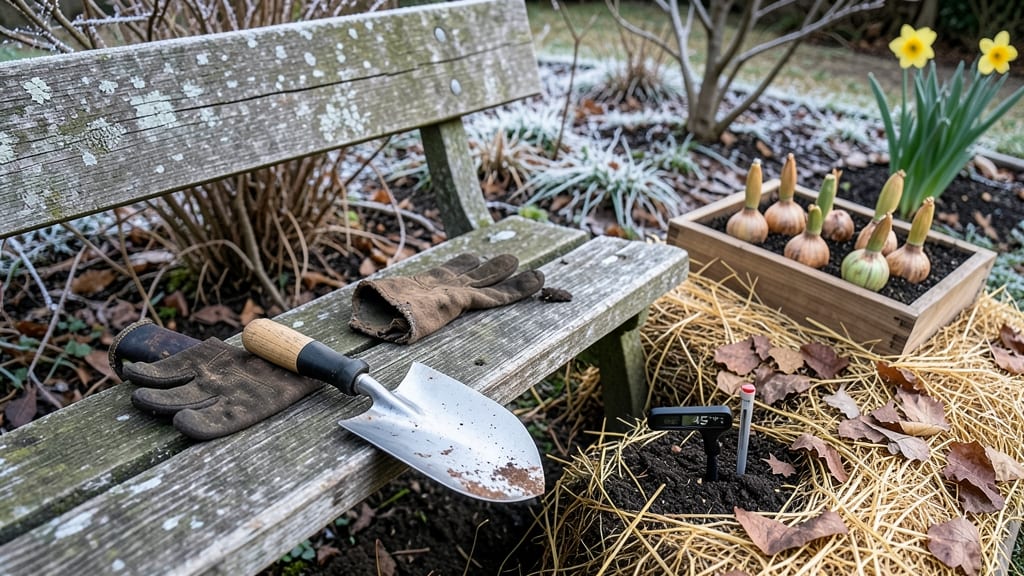
Planting bulbs in Minnesota isn’t just about digging a hole—it’s about mastering the chill-hour game to guarantee those cheerful spring blooms. Whether you’re dreaming of tulips in USDA Zones 3-5 or daffodils that brave the cold, timing is everything.
One wrong move, and your bulbs might never wake up from winter’s long nap.
Fall planting (September–October) is your golden window, but spring options exist too—if you play it smart. The key? Understanding how Minnesota’s early frosts and short growing season dictate when to tuck those 🌱 bulbs into the soil.
Skip the guesswork, and I’ll walk you through the exact months, soil prep, and mulching tricks to set your garden up for success.
Why does this matter? Because a bulb planted too late in fall could rot, while one planted too early might sprout and freeze. We’re talking 6–8 weeks before frost—usually by mid-October—and the right depth (6–8 inches) to shield them from temperature swings.
Let’s break down the science behind Minnesota’s chill-hour zones and how to use them to your advantage.
Ready to transform your yard into a springtime paradise? I’ll show you which bulbs thrive in Minnesota’s climate, how to prep your soil, and even how to troubleshoot common mistakes—like planting too deep or ignoring mulch.
By the end, you’ll know exactly when to plant for blooms that outshine the snow.
Minnesota’s chill-hour zones: how cold requirements determine planting months
Minnesota’s USDA Hardiness Zones 3-5 create unique challenges for bulb planting, where chill hours (not frost dates) dictate success. Most spring-blooming bulbs need 600-1,600 hours below 45°F to trigger flowering—tulips thrive in 12,000-16,000 chill hours, while daffodils need just 6,000-10,000.
Northern Minnesota (Zone 3) gets more chill hours faster than southern areas (Zone 5), so timing varies by location.
For example, in Zone 4 (Minneapolis area), tulips planted in late September get enough cold before winter, but in Zone 3 (Duluth), they need to go in by mid-September to avoid premature sprouting.
Use your local chill-hour map (available from UMN Extension) to adjust planting dates—this is the secret to reliable blooms every spring.
Here’s how chill hours translate to planting windows:
- Tulips, Hyacinths, Crocuses: Plant 6-8 weeks before first frost (typically September 15-October 15).
- Daffodils, Alliums, Fritillaries: More forgiving—plant until ground freezes (often October-November).
- Summer-blooming bulbs (Dahlias, Gladiolus): Wait for spring planting (April-May) after frost danger passes.
Pro tip: Test your soil’s chill capacity by planting a few bulbs in early September and monitoring sprouting. If they push up before winter, you’ve planted too early—adjust next year’s schedule 2-3 weeks later.
| Bulb Type | Chill Hours Needed | Best Planting Window (MN) | Zone 3 Notes | Zone 5 Notes |
|---|---|---|---|---|
| Tulips | 12,000–16,000 | Sep 15–Oct 15 | Plant by Sep 15 or risk early sprouting | Can plant until Oct 31 |
| Daffodils | 6,000–10,000 | Sep 1–Nov 15 | Flexible—plant until ground freezes | Same as Zone 3 |
| Hyacinths | 14,000–16,000 | Sep 1–Oct 15 | Must plant early in Zone 3 | Can extend to Nov 1 |
| Crocuses | 8,000–12,000 | Sep 1–Oct 30 | Early bloomers—plant ASAP | Late Oct still works |
| Summer Dahlias | 0 (spring-planted) | Apr 15–May 15 | Wait until frost risk passes | Same as Zone 3 |
Why this matters: Bulbs like tulips won’t bloom if they don’t get enough cold. In Zone 5 (southwest MN), you might get 10,000 chill hours by December 1, while Zone 3 (north shore) needs until January.
Use a chill-hour calculator (like the one from UMN Extension) to fine-tune your schedule.
For northern Minnesota gardeners, prioritize cold-hardy varieties like ‘Ice Follies’ tulips or ‘Tête-à-Tête’ daffodils, which handle Zone 3’s harsh winters. In southern MN (Zone 5), you can experiment with later-blooming tulips like ‘Darwin Hybrid’ varieties, which need slightly fewer chill hours.
Remember: Soil temperature (not air temperature) triggers bulb growth. Use a soil thermometer to confirm when to plant—aim for 50–60°F soil temps in fall. If your soil stays above 60°F in September, hold off until cooler weather arrives.
🌱
Step-by-step planting calendar: month-by-month guide for Minnesota’s climate
Minnesota’s short growing season means your bulb-planting window is tight—typically September through early November, with a backup window in March–April for spring plantings. The goal? Get bulbs in the ground 6–8 weeks before frost, usually by mid-October, so they establish roots before winter sets in.
For fall-planted bulbs like tulips and daffodils, aim for September in southern Minnesota (Zones 4–5) and late September–early October in the north (Zone 3). Spring-planted bulbs, such as dahlias or gladiolas, wait until after the last frost (usually mid-May) when soil temps hit 50°F.
📅 Step-by-Step Planting Calendar
- September (South MN) / Late Sept (North MN): Plant spring-blooming bulbs (tulips, hyacinths) in well-draining soil, 6–8 inches deep. Add compost for nutrients.
- October (All Zones): Finish planting by mid-October. Mulch with 3–4 inches of straw to insulate bulbs from freeze-thaw cycles.
- March–April (Spring Planting): Plant summer-blooming bulbs (dahlias, cannas) after soil thaws. Avoid planting if frost is forecasted.
- May (Post-Last Frost): Fertilize with balanced 5-10-10 to support early growth. Water deeply once a week.
Pro tip: Use a soil thermometer to check temps—bulbs need 40–50°F soil to root before winter. In clay-heavy soil (common in northern MN), amend with sand or perlite to prevent rot.
For container gardening, plant bulbs in pots with drainage holes and keep them in a cool garage over winter.
Don’t forget labeling! Mark bulb beds with stakes or flags—Minnesota’s snow cover can hide your handiwork until spring. I’ve lost track of 10+ varieties over the years, so trust me: label early, label often.
Once planted, water thoroughly to settle soil around bulbs, then reduce watering until spring. In Zone 3, add an extra 2 inches of mulch for insulation. By following this calendar, you’ll ensure bulbs bloom earlier and more vigorously—even in Minnesota’s unpredictable climate.
🌱 Ready to dig in? Grab your gloves, and let’s make next spring unforgettable!