
Plants
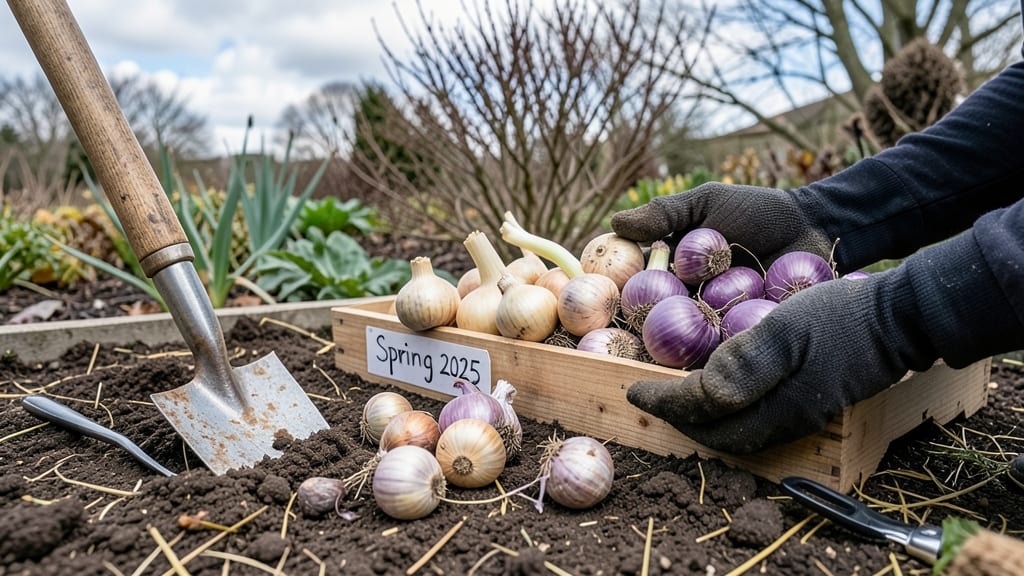
Timing your Spring-Blooming Bulbs (e.g., Tulips, Daffodils, Hyacinths)🌷 planting in New England isn’t just about the calendar—it’s about understanding your local chill-hours and frost patterns. Plant too early, and you risk exposing bulbs to freezing soil; too late, and they won’t establish roots before winter sets in.
The perfect window for most varieties falls between October and November, but coastal areas like Maine may need adjustments compared to inland zones.
Why does this matter? Because New England’s 5a-6b zones create microclimates where a 2-week difference can mean the difference between vibrant blooms and flopping flowers.
I’ll show you how to read your soil’s readiness, account for early/late frosts, and even salvage a late start with simple tricks—so you’re not left scrambling when the first snow flies.
You’ll also discover how chill-hours (the cold exposure bulbs need to bloom) vary by type—some daffodils thrive with just 200 hours, while tulips demand 1,200+. Plus, I’ll debunk the myth that “earlier is always better” and reveal the hidden risks of planting in frozen ground or soggy soil.
By the end, you’ll have a customized planting plan tailored to your corner of New England—whether you’re in rocky Vermont or coastal Rhode Island. Let’s get those bulbs in the ground the right way, so your spring garden steals the show.
New England bulb planting timeline by chill-hours and hardiness zones
New England’s diverse climate—from coastal Maine’s milder winters to Vermont’s harsh frosts—means bulb planting isn’t one-size-fits-all. The key? Chill-hours, the number of hours below 45°F (7°C) bulbs need to bloom. Most spring-flowering bulbs thrive with 1,000–1,500 chill-hours, while hardier varieties like crocus (200–400 hours) handle shorter winters.
In USDA Zones 3–6, aim to plant spring-blooming bulbs (tulips, daffodils, hyacinths) 6–8 weeks before ground freezes, typically October–November. Fall-blooming varieties like crocus or allium can go in September–early October for earlier color. Soil temperature should be below 60°F (15°C) but not frozen.
Pro Tip: Use a soil thermometer to confirm readiness—planting in warm soil can trigger early sprouting, which frost will kill. In Zone 6b (e.g., Boston, Portland), this usually means mid-October; in Zone 3 (e.g., northern Maine), late September is safer.
Here’s your New England bulb planting guide, organized by chill-hours and USDA Zone for foolproof timing:
| Bulb Type | Chill-Hours Needed | USDA Zones | Planting Window | Depth (inches) | Spacing (inches) |
|---|---|---|---|---|---|
| Daffodils (Narcissus) | 1,000–1,500 hrs | 3–7 | Oct–Nov | 6–8" | 4–6" |
| Tulips (Tulipa) | 1,200–1,500 hrs | 4–6 | Oct–early Nov | 6–8" | 4–6" |
| Hyacinths (Hyacinthus) | 1,000–1,200 hrs | 3–6 | Oct–Nov | 6" | 4–5" |
| Crocus (Crocus) | 200–400 hrs | 3–8 | Sep–Oct | 3–4" | 2–3" |
| Allium (Ornamental Onion) | 800–1,200 hrs | 4–7 | Oct–Nov | 6–8" | 4–6" |
For Zone 3 (e.g., northern New Hampshire, Maine), prioritize early planting (September) to ensure bulbs establish roots before deep freezes. In Zone 6 (e.g., southern Vermont, Connecticut), you have until mid-November, but avoid planting after Thanksgiving—soil may freeze before roots set.
Coastal areas (Zones 6–7), like Portland or Providence, often have milder winters with fewer chill-hours. If you’re growing tulips or hyacinths, consider pre-chilling bulbs indoors for 8–12 weeks at 40°F (4°C) before planting. This mimics New England’s natural winter and boosts blooms.
One critical rule: Never plant bulbs in frozen ground. Use a trowel or bulb planter to check soil—it should crumble easily but not be soggy. If the ground is rock-hard, wait 1–2 weeks or plant in containers for earlier spring blooms.
For container gardening, plant bulbs in well-draining pots by mid-October and move them to a garage or cold frame over winter. This works well for high-value bulbs like tulips in Zone 6–7, where winters are less severe but still require chill-hours.
Remember: Bulbs need time to root before winter sets in. In Zone 4–5, aim for 6 weeks of root growth before the ground freezes. If you’re late planting, choose hardier varieties like daffodils or crocus, which tolerate shorter root periods.
🌱
How to adjust planting for early vs. late winters in New England
New England’s winters are famously unpredictable—one year, the ground freezes by Halloween, and the next, you’re still raking leaves in early December. For bulb lovers, this variability means planting too early can rot bulbs in soggy soil, while planting too late leaves them vulnerable to frost heave.
The key? Flexibility and local knowledge. Coastal Maine and inland Vermont can differ by weeks in their frost dates, so I’ve broken down how to adapt your planting schedule to your specific microclimate.
Start by checking your last average frost date (typically mid-October for most of New England) and then count backward. Most bulbs need 4-6 weeks of cool soil before winter sets in—this gives roots time to establish without encouraging premature growth.
For regions like Portland or Boston, where winters arrive earlier, aim for early October planting. Inland areas like Burlington or Manchester can often wait until late October or even early November, thanks to delayed cold snaps.
🌡️ Numbered Highlights: Adjusting for Your Microclimate
- 📍 Coastal Areas (e.g., Cape Cod, Portland): Plant by mid-October—soil freezes faster and earlier due to ocean influence.
- 🏞️ Inland Valleys (e.g., Connecticut River Valley): Wait until late October—warmer microclimates delay frost.
- ⛰️ High Elevations (e.g., White Mountains): Plant by early October—cold air settles faster in mountainous regions.
- 🌡️ Soil Temperature Test: Use a soil thermometer—plant when temps hit 40-50°F consistently.
- ❄️ Backup Plan: Store bulbs in a cool, dark place (like a garage) if frost arrives early.
- 🌱 Mulch Matters: Add 3-4 inches of straw or leaves after planting to insulate bulbs from temperature swings.
- ⏳ Late Planting? For daffodils and crocuses, you can plant as late as November—they’re hardier.
If you’re unsure about your local frost dates, I recommend checking the USDA Plant Hardiness Zone Map and cross-referencing with your town’s historical data (many local extension offices publish this).
For example, Zone 5a (like northern Vermont) may need bulbs in the ground by October 15, while Zone 6b (like southern New Hampshire) might allow planting until November 1. Pro tip: Tulips and hyacinths are more finicky—plant them earlier than daffodils or alliums, which tolerate later dates better.
For high-value bulbs like tulips or paperwhites, consider a two-phase planting strategy. Plant half your bulbs at the ideal time and hold the rest in a cool, dark spot. If frost arrives early, you can still plant the reserves.
This buffer system has saved my tulip collection more than once during those early snow years. Just remember: never plant bulbs in frozen ground—they’ll rot before winter even sets in.
Finally, pay attention to soil drainage in your microclimate. Wet winters in areas like Maine’s coast can turn planting beds into mud pits. Amend heavy soils with compost or sand before planting, and choose well-draining spots like slopes or raised beds.
A little prep now means healthier bulbs and more reliable blooms next spring, no matter what winter throws your way.
🌱