
Trees
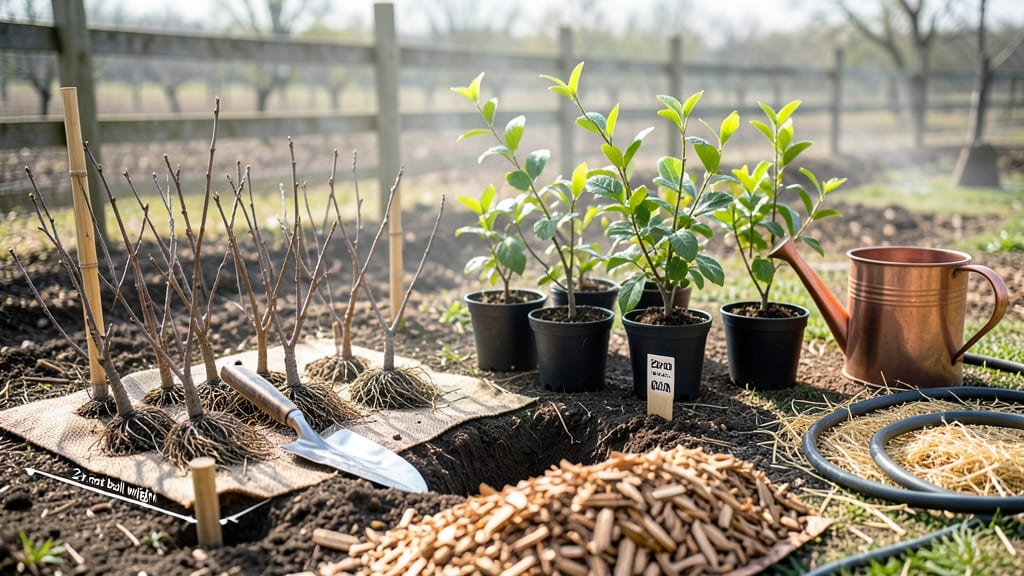
Timing is everything when it comes to planting fruit trees in SC—get it wrong, and your 🍎 might never produce the harvest you dream of. South Carolina’s warm winters and humid summers demand a strategic approach, especially since varieties like peaches and plums need specific chill hours to thrive.
Most gardeners in zones 7a-9a swear by late winter to early spring (February-March) as the sweet spot, but fall (October-November) works too for container-grown trees. The key? Planting during dormancy gives roots time to establish before the growing season kicks in.
I’ll break down exactly which months work best for your favorite varieties—whether you’re growing low-chill citrus or high-chill apples—and how to adjust for SC’s microclimates. No more guessing games.
Ready to set your fruit trees up for perfect success? Let’s dive into the science and timing that’ll have you harvesting like a pro in just a few years.
Best planting months for SC fruit trees based on chill-hour requirements
South Carolina’s humid subtropical climate creates unique challenges for fruit trees, especially when it comes to chill-hour requirements. Unlike northern states, SC’s USDA zones 7b-9a mean some varieties need fewer chill hours (200-500) to produce fruit, while others struggle in warmer winters.
Timing your planting around these needs ensures your tree thrives and bears fruit.
Most fruit trees thrive when planted during dormancy, either in late fall (October-November) or early spring (February-March). Fall planting gives roots time to establish before spring growth, while spring planting avoids winter stress.
For bare-root trees, late winter is ideal, but container-grown trees can handle fall or spring.
Here’s how chill-hour needs dictate your planting window in SC:
If you’re in coastal SC (zones 8a-9a), focus on low-chill varieties like plums or figs, which struggle less with warmer winters. For piedmont or upstate regions (zones 7b-8a), you can grow peaches and apples with proper chill-hour matching. Always check the specific variety’s chill-hour range before purchasing.
For bare-root trees, plant as soon as possible after purchase—roots dry out quickly. If planting in fall, aim for 6-8 weeks before first frost (typically mid-November in SC). In spring, wait until soil temperatures rise above 50°F (10°C) to avoid root rot.
Pro tip: Mulch heavily after planting (3-4 inches of organic mulch) to retain moisture and regulate soil temperature. This is especially critical in SC’s hot summers and mild winters, where soil can fluctuate dramatically.
Remember, tree size matters. Dwarf varieties establish faster and bear fruit sooner, making them ideal for SC’s smaller home gardens. Semi-dwarf or standard trees need more space but may produce larger yields over time.
🌱
Best planting months for SC fruit trees based on chill-hour requirements
South Carolina’s chill-hour zones (ranging from 400-1,000 hours) dictate when you can plant fruit trees successfully. Most varieties need 300-900 chill hours to produce fruit, but the timing varies by type.
For example, peaches thrive with 400-600 chill hours, while apples need 800-1,000 hours—critical for choosing the right planting window.
In SC’s USDA zones 7b-9a, the ideal planting months are late winter to early spring (February-March) or fall (October-November). This aligns with dormancy periods, allowing roots to establish before active growth. Coastal areas (warmer) may need low-chill varieties, while upstate regions (cooler) can handle higher-chill trees.
Bare-root trees should go in the ground during dormancy (February-March), while container-grown trees can be planted in fall (October-November) or early spring. The key? Avoid planting when soil is frozen or waterlogged, which can suffocate roots and stunt growth.
If you’re in coastal SC, prioritize low-chill varieties like figs or 'Santa Rosa' plums, which thrive with minimal chill hours. Upstate gardeners can plant higher-chill apples or pears in February-March, as cooler winters provide sufficient dormancy. Always check your local chill-hour map to avoid mismatches.
Pro tip: Mulch heavily after planting to retain moisture and regulate soil temperature, especially in SC’s hot summers. This helps young trees establish roots 30-50% faster than without mulch.
Timing isn’t just about months—it’s about microclimates. Next, we’ll cover how to adjust planting for SC’s coastal, piedmont, and upstate regions to maximize your tree’s success.