
Plants
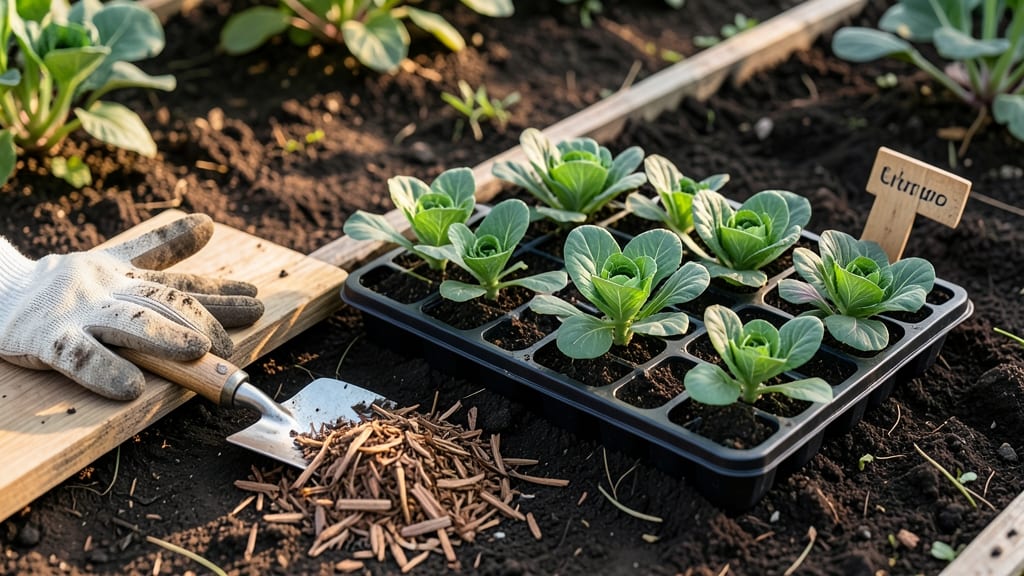
Knowing when to plant cabbage in Zone 7b is the difference between a bountiful harvest and watching your 🥬 turn bitter before it even matures. The right timing isn't just about avoiding frost—it's about beating the heat that triggers bolting, the enemy of every gardener's dreams.
In Zone 7b, your best shots are early spring (right after that last frost around March 15) or late summer (when temps start cooling in July). Miss these windows, and you risk either stunted growth from cold snaps or flowers popping up before your cabbage heads firm up.
Here's the game-changer: transplanting young starts gives you more flexibility than direct sowing. We'll break down exactly which method works best for your spring and fall plantings, plus how to prep your soil so your cabbage thrives from seedling to harvest.
Ready to grow cabbage that's crisp, sweet, and ready to eat? Let's dive into the perfect planting schedule for your Zone 7b garden—because timing is everything when you're chasing that perfect head of 🥬.

Optimal cabbage planting dates in Zone 7b: spring vs fall breakdown
In Zone 7b, cabbage thrives when planted during two key windows: early spring and late summer. These timings align with your region's 165 frost-free days and prevent the dreaded bolting triggered by summer heat.
Let's break down the exact dates and methods for both seasons to maximize your harvest.
For spring plantings, aim to start seeds indoors 8-10 weeks before your last frost date (around February 15 for Zone 7b). Transplant seedlings outdoors 4-6 weeks before last frost (typically March 15), giving them time to establish before warm weather arrives.
This ensures heads form before summer heat stresses the plants.
Your second planting window comes in late summer for a fall harvest. Sow seeds 8-10 weeks before your first frost (around August 15), so they mature before cold snaps. This strategy extends your cabbage season well into October or November, depending on variety.
🥬 Zone 7b Cabbage Planting Summary
| Season | Planting Window | Method | Harvest Time | Key Notes |
|---|---|---|---|---|
| Spring | Feb 15 - Mar 15 | Start indoors, transplant outdoors | May - June | Avoid transplant shock |
| Fall | Aug 15 - Sep 1 | Direct sow or transplant | Oct - Nov | Use heat-tolerant varieties |
| Succession | Every 2 weeks | Direct sow | Staggered harvests | Extend season by 4-6 weeks |
Direct sowing works for both seasons, but transplanting seedlings gives you a head start. For spring, buy 4-6 week old seedlings from nurseries in early March. For fall, start seeds indoors in late June or purchase seedlings in early August.
This flexibility helps you adapt to unpredictable weather patterns common in Zone 7b.
Heat is your biggest enemy in Zone 7b. When daytime temperatures exceed 75°F (24°C) for prolonged periods, cabbage bolts. That's why fall plantings must happen before August 15—any later risks bolting before heads mature. Choose heat-tolerant varieties like 'Bravo' or 'Cavalo' for your late-summer plantings.
Soil temperature matters too. Cabbage seeds need soil at 40-85°F (4-29°C) to germinate. In spring, wait until soil warms to 50°F (10°C) before transplanting. For fall, aim to plant when soil temperatures drop below 80°F (27°C) to prevent stress. Use a soil thermometer to track these critical thresholds.
Pro tip: Use black plastic mulch in late summer to warm soil for fall plantings. This helps establish roots faster in cooler temperatures. Remove it once plants are established to prevent overheating. Pair this with drip irrigation to maintain consistent moisture—cabbage hates drying out during head formation.
Don't forget about succession planting! Sow a new batch every 2 weeks from March through August. This staggered approach ensures a continuous harvest. For example, plant one batch in early March, another in mid-April, and your last in early July.
Each batch will mature at different times, spreading out your harvest workload.
Local climate variations matter. If you're in the mountains of Zone 7b, plant 2-3 weeks later than coastal areas. The cooler high elevations delay spring warming and extend fall growing seasons. Always check your microclimate—a sheltered south-facing spot may stay warmer longer than open areas.
Remember: Frost protection is key for fall plantings. Use row covers or lightweight blankets when nighttime temps drop below 32°F (0°C). This simple step can extend your harvest into November, giving you fresh cabbage for holiday meals.
With these precise timing strategies, you'll avoid bolting and enjoy a bountiful harvest all season long! 🌱
Optimal cabbage planting dates in Zone 7b: spring vs fall breakdown
Zone 7b gardeners know that cabbage thrives in cool weather, but timing is everything. Plant too early, and frost zaps your seedlings. Wait too long, and your plants bolt—sending up bitter flower stalks instead of tasty heads.
The solution? Two strategic planting windows that align with Zone 7b’s last frost date (March 15) and first frost date (November 15).
For spring cabbage, aim to plant 4-6 weeks before your last frost. In Zone 7b, that means February to early April. Start seeds indoors in late January to give them a head start, or buy transplants from a nursery.
This timing ensures your cabbage matures before summer heat triggers bolting.
Your visual guide below breaks down the best planting dates for both spring and fall cabbage in Zone 7b, including variety-specific tips to maximize your harvest. Whether you’re growing Green Cow or Savoy, these windows keep your plants happy and productive.
Fall plantings in Zone 7b offer a second chance for cabbage success. Start seeds indoors in June or buy transplants in July to plant outdoors. This schedule lets your cabbage mature before winter sets in, giving you a late-season harvest of crisp, flavorful heads.
Pro tip: Use shade cloth (30–50%) during summer heatwaves to protect young plants. This simple trick can delay bolting by 2–3 weeks, extending your growing window. Pair it with succession planting every 2 weeks for a continuous harvest.
Remember, soil temperature matters just as much as air temperature. Cabbage thrives in soil that’s 45–85°F. If your soil is too cold, seedlings won’t sprout; too hot, and they’ll bolt. Test your soil and adjust with mulch or row covers to keep temps ideal.
With these Zone 7b-specific windows, you’ll avoid the heartbreak of bolting and enjoy a bounty of cabbage from spring through fall. Happy planting! 🥬