
Plants
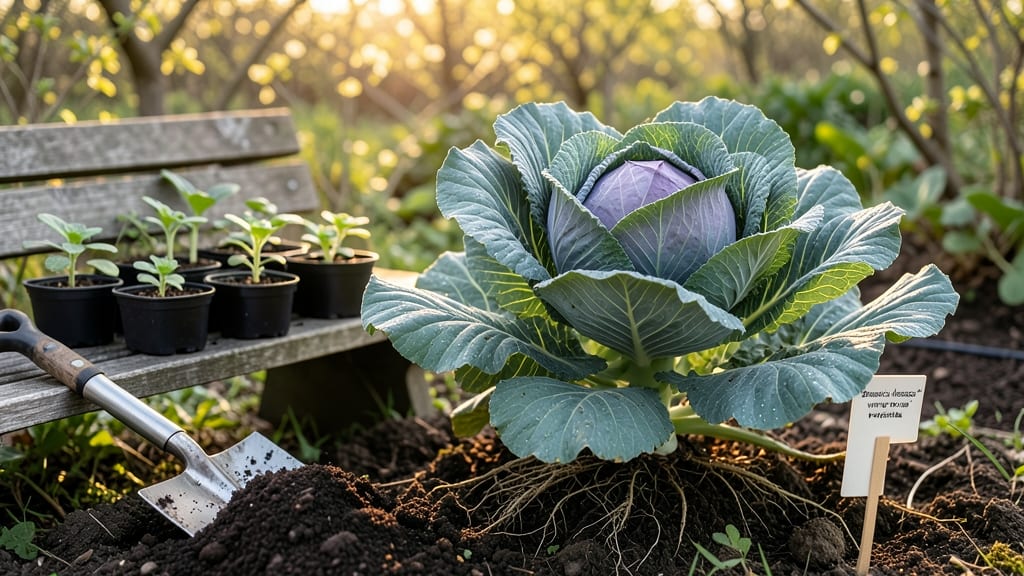
Figuring out when to plant cabbage in Zone 9 can feel like solving a puzzle—get the timing wrong, and you’re either battling heat stress or watching your plants bolt before they even form heads.
But here’s the good news: with the right approach, you can grow crisp, flavorful 🥬 heads all the way through winter, even in our warm climate.
Zone 9’s lack of frost means we don’t have to worry about freezing temperatures, but that also means we need to work with the heat.
The key is planting during those cooler shoulder seasons—late summer through early winter—when temperatures stay mild enough to prevent bolting while still giving your cabbage plenty of time to mature before the heat ramps up again.
I’ve tested what works in my own garden, and the difference between a thriving crop and a failed one often comes down to two critical factors: variety selection and precise timing.
Heat-tolerant varieties paired with the right planting window can mean the difference between a bountiful harvest and a sad, wilted mess.
In this guide, I’ll walk you through the exact weeks to plant, which varieties perform best in Zone 9’s climate, and how to avoid common pitfalls like bolting or poor head formation. Let’s get those cabbages growing the right way!

Best planting windows for cabbage in Zone 9 (avoiding bolting & heat stress)
Cabbage thrives in cooler temperatures, but Zone 9’s warm winters and hot summers make timing critical. The ideal window is late summer to early fall—specifically, August through October—when daytime temps hover between 60°F and 75°F. Planting outside this range risks bolting (premature flowering) or stunted growth.
In Zone 9, no frost dates mean we focus on heat avoidance instead. Cabbage needs 60–80 days to mature, so calculate backward from your target harvest month. For example, if you want heads ready by February, start seeds or transplant in mid-to-late October.
Here’s the key rule: Never plant cabbage when soil temps exceed 80°F. Inland areas like Phoenix or San Antonio can hit these temps in June–September, while coastal zones like San Diego stay cooler longer. Use a soil thermometer to confirm conditions before sowing.
📅 Planting Windows for Zone 9 Cabbage
| Method | Best Time | Soil Temp | Days to Harvest | Notes |
|---|---|---|---|---|
| Direct Sow | August 15–September 15 | 60°F–75°F | 80–100 days | Best for dwarf varieties |
| Transplant | September 1–October 15 | 65°F–70°F | 60–80 days | Use shade cloth if temps rise |
| Late Fall | October 20–November 15 | 55°F–65°F | 90–120 days | For winter/spring harvest |
For seed-starting indoors, begin 6–8 weeks before transplanting. Use grow lights to maintain 14–16 hours of light daily, as natural daylight shortens in fall. Harden off seedlings for 7–10 days before moving them outdoors to prevent shock.
If you miss the fall window, consider winter planting (December–January) for a spring harvest. However, Zone 9’s mild winters mean slower growth—extend daylight with LED grow lights if needed. Avoid planting in summer; cabbage will bolt within 2–3 weeks of exposure to 90°F+ temps.
Pro tip: Use shade cloth (30–50%) if transplanting in late September to protect young plants from afternoon heat. Remove it once temps drop below 80°F to encourage head formation. Pair this with drip irrigation to keep soil evenly moist—dry spells trigger bolting.
Monitor your microclimate. Coastal areas stay cooler longer, while inland zones may need row covers at night to retain warmth. In San Diego, you can plant as late as November 1, but in Arizona’s Valley, cut off transplanting by October 15 to avoid heat stress.
Finally, succession plant every 2–3 weeks from August through October to stagger harvests. This ensures a steady supply of fresh cabbage from winter through early spring, when gardeners in colder zones are still dreaming of green thumbs.
Best planting windows for cabbage in Zone 9 (avoiding bolting & heat stress)
In Zone 9, where summer heat lingers year-round, cabbage thrives best when planted during cooler months. The key is avoiding temperatures above 75°F (24°C), which triggers bolting—the plant’s premature flowering.
My strategy? Plant in late summer or fall for winter harvests, or start seeds indoors 8-10 weeks before transplanting to beat the heat.
For fall planting, aim for August to early October—this gives cabbage enough time to mature before winter’s mild temperatures kick in. If you’re growing for spring harvests, start seeds indoors in late winter (January-February) and transplant in early spring before March’s warmth peaks.
| Planting Window | Seed Starting | Transplanting | Temperature Threshold | Harvest Window |
|---|---|---|---|---|
| Fall Planting | Indoors: June-July | August-October | 60-75°F (15-24°C) | December-April |
| Spring Planting | Indoors: January-February | February-March | 55-65°F (13-18°C) | April-June |
| Winter Planting | Direct sow: October-November | N/A (direct sow) | 50-60°F (10-15°C) | February-April |
Pro tip: Use shade cloth (30-50%) if transplanting in late summer to protect young plants from heat stress. I’ve seen cabbage bolt in 90°F (32°C) heat, so never plant outdoors during peak summer months. Instead, opt for heat-tolerant varieties like ‘Crimson Love’ or ‘Golden Acre’ for better survival rates.
Soil temperature matters too! Cabbage seeds need soil at 45-85°F (7-29°C) to germinate. In Zone 9, soil stays warm year-round, so focus on moisture retention—mulch with straw or wood chips to keep roots cool.
I’ve had success planting in microclimates, like near drip irrigation lines or under dappled shade from fruit trees.
For succession planting, sow seeds every 2-3 weeks from August to October to stagger harvests. This ensures a steady supply of fresh cabbage without overwhelming your garden at once. Just remember: never plant cabbage in summer—the heat will turn your heads bitter and your plants bolting in weeks.
If you’re new to Zone 9 gardening, start small with 6-8 plants to test your timing. Track soil temps with a thermometer and adjust planting dates based on your local microclimate. Coastal areas stay cooler longer than inland spots, so adjust your schedule accordingly.