
Plants
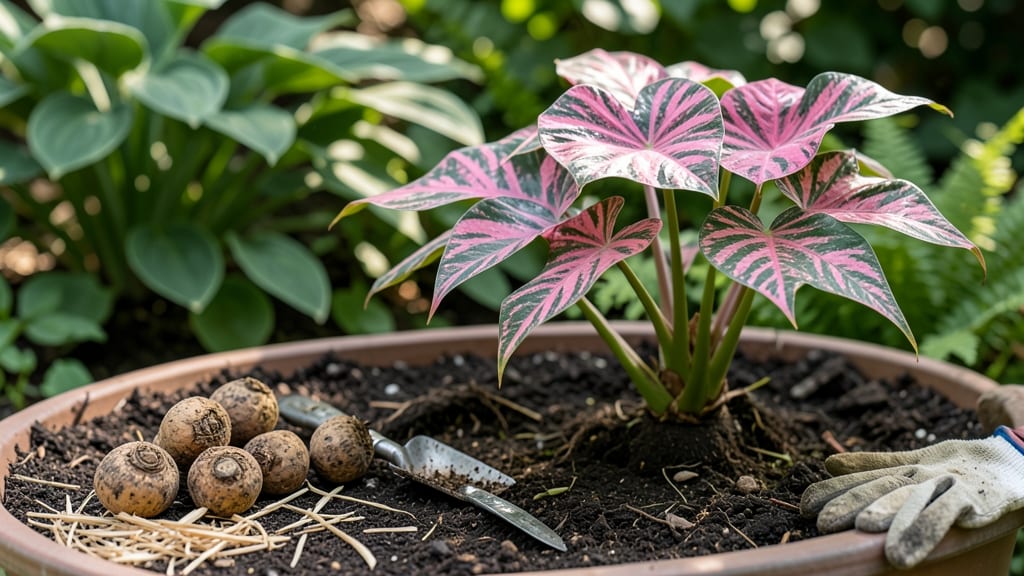
If you're dreaming of lush, tropical foliage that thrives in shady spots, knowing when to plant caladium bulbs in Zone 7 is your first step to success. These stunning plants—with their heart-shaped leaves—are perfect for adding vibrant color to your garden, but timing is everything in Zone 7's unpredictable climate.
The ideal window for planting caladiums 🌿 in Zone 7 is after the last frost, typically late spring to early summer, when soil temperatures rise above 65°F. Planting too early risks frost damage, while waiting too long may stunt their growth.
I’ll show you exactly how to time it right for maximum impact and how to prepare your soil for the best results.
You might be wondering: Are caladiums bulbs or tubers? The answer is tubers, and they’re not perennials in Zone 7—they’ll need to be dug up and stored in winter. But with the right care, you can enjoy their bold foliage year after year.
Let’s dive into the key steps to ensure your caladiums flourish from planting to peak season.
Whether you’re a seasoned gardener or just starting out, these tips will help you avoid common mistakes and keep your caladiums thriving. From soil prep to post-planting care, I’ve got you covered so you can enjoy vibrant summer foliage without the guesswork.

Best planting window for caladium bulbs in Zone 7
Caladium bulbs thrive in Zone 7’s warm, humid summers, but their planting timing is critical to avoid frost damage or stunted growth. Unlike hardy perennials, caladiums are tender tubers that need consistent warmth to sprout.
The ideal window falls between April 15 and May 15, right after your area’s last frost date and when soil temperatures reach 65°F+.
Zone 7’s microclimates matter—urban areas may warm faster than rural spots, so check local frost records. For example, cities like Atlanta average last frost around April 15, while Charlottesville often waits until May 1.
Use a soil thermometer to confirm readiness—caladiums won’t sprout until the ground stays warm consistently.
Why this window? Planting too early risks frost damage to emerging shoots, while late planting may delay foliage development until summer’s peak heat. Aim for 2-4 weeks after frost to balance safety and vigor.
For container gardening, extend your window slightly—pots warm faster, so you can plant 2 weeks earlier than in-ground. Just ensure containers have drainage holes to prevent rot. If you miss the ideal window, don’t panic: caladiums can handle June planting, though foliage may arrive later in the season.
Pro tip: Use a frost-free date calculator (like the Old Farmer’s Almanac) to pinpoint your local cutoff. In Zone 7a (colder end), wait until May 1; in 7b (warmer), April 20 is safe. Always plant after nighttime temperatures stay above 55°F consistently.
Watch for soil cues: Press your finger into the ground—if it feels warm to your touch at 2-3" depth, it’s time. Cold soil slows germination, leaving you with sparse foliage by summer. Pair this with partial shade placement (morning sun, afternoon shade) to protect tender leaves from heat stress.
Remember, caladiums are not winter-hardy in Zone 7. Treat them as seasonal annuals: dig up tubers in fall before frost, store them in dry peat moss, and replant next spring. This extends their lifespan and ensures vibrant displays year after year.
If you’re unsure about your exact last frost date, err on the side of late planting. Caladiums are forgiving—better to delay slightly than risk losing your investment to a late frost.
With the right timing, you’ll enjoy lush, tropical foliage from June through September, long after most annuals have faded.
For a head start, chit your bulbs indoors in March: place them in a bright, warm spot (like a sunny windowsill) to encourage early sprouting. This gives you a 2-week advantage once outdoor conditions are safe.
How to prepare caladium bulbs for Zone 7 planting success
Preparing your caladium bulbs properly is the secret to vibrant foliage in Zone 7. Since these tropical plants thrive in warmth, they need a head start if you plant them too early.
I always recommend chitting bulbs indoors 4-6 weeks before the last frost date—around mid-March for most of Zone 7. This gives them a growth advantage before transplanting outdoors.
Start by placing bulbs in a shallow tray with their eyes (growth points) facing upward. Use a mix of peat moss and perlite to keep them slightly moist but not soggy.
Keep the tray in a warm spot (around 70°F) with bright, indirect light. Roots should sprout in 2-3 weeks, signaling they’re ready for planting.
🌱
⚠️ Common Mistake to Avoid
Don’t skip soil preparation! Caladiums hate soggy roots. Amend your garden soil with compost or aged manure to improve drainage. If your soil is heavy clay, mix in sand or coconut coir to create a loamy texture that retains moisture without waterlogging.
When choosing a planting spot, prioritize areas with partial shade—caladiums burn easily in direct sun. Urban gardeners may need to use shade cloth on south-facing beds. For containers, select pots with drainage holes and use a well-aerated potting mix with added orchid bark for extra moisture retention.
Spacing is key: plant tubers 6-12 inches apart in rows spaced 12-18 inches apart. This gives leaves room to spread while preventing fungal issues from overcrowding. In containers, group 3-5 tubers per 12-inch pot for a lush, tropical display.
After planting, water thoroughly to settle the soil around the tubers. Mulch with 2-3 inches of shredded bark to lock in moisture and protect roots from temperature swings. This is especially important in Zone 7’s unpredictable spring weather.
💧