
Plants
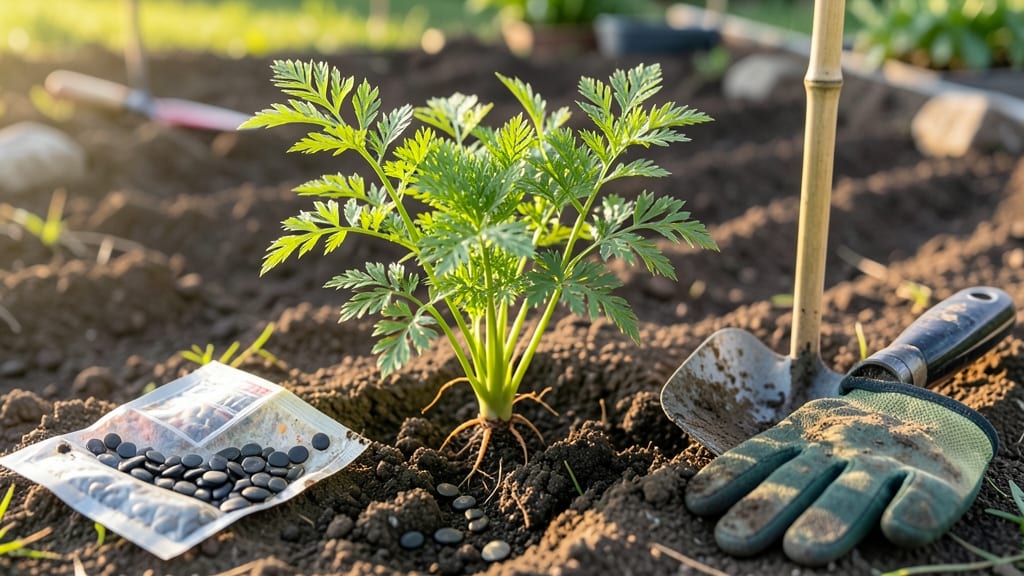
Timing your carrot planting in Pennsylvania can mean the difference between sweet, crisp roots and bitter, woody failures—here’s the exact schedule to maximize your harvest. With the right window, you’ll avoid the 50-day wait for ideal conditions, ensuring your 🥕 thrive from seed to table.
Pennsylvania’s USDA zones 5b-7a give you two prime chances: early spring and late summer. Planting between March 15 and April 30 or August 1 and September 15 aligns with soil temperatures perfect for germination, while avoiding the last frost around April 15.
Why does this matter? Because one week too early risks frost damage, while waiting too long can lead to overcrowded roots. I’ll show you how to calculate your exact planting dates based on local frost patterns and soil prep.
Ready to grow carrots that taste like summer? Let’s dive into the step-by-step guide that’ll have you harvesting June through November—no guesswork, just perfect timing.
Pennsylvania’s best carrot planting windows: exact weeks before last frost
Pennsylvania’s USDA zones 5b-7a create a unique challenge for carrot growers—get the timing wrong, and you’ll end up with woody, bitter roots instead of sweet, crisp harvests. The key is planting 4-6 weeks before your last frost date, which typically falls between mid-April and early May across the state.
For most of Pennsylvania, this means your best window is March 15 to April 30 for spring planting.
Carrots thrive in cool soil temperatures (50-85°F), so waiting until the ground warms to at least 55°F ensures proper germination. In colder regions like the Poconos (Zone 5b), start seeds indoors in early March or use frost blankets to protect young seedlings.
Meanwhile, warmer areas like Pittsburgh (Zone 6b) can plant directly outdoors as early as late March.
Don’t overlook fall planting—this is when many Pennsylvania gardeners get their best-quality carrots. Aim to sow seeds between August 1 and September 15 to harvest before the first frost, usually around mid-October. Fall carrots often develop sweeter flavors due to cooler nighttime temperatures.
| Planting Window | USDA Zones | Soil Temp | Key Notes |
|---|---|---|---|
| March 15 - April 30 | 5b-7a | 55-75°F | Spring harvest: June-October |
| August 1 - September 15 | 5b-7a | 60-70°F | Fall harvest: October-November |
| Late February (indoors) | 5b | 65-70°F | Transplant after last frost |
For succession planting, sow new seeds every 2-3 weeks after your initial planting to ensure a continuous harvest. This works especially well in Pennsylvania’s short growing season.
For example, if you plant your first batch on March 20, follow up with batches on April 5, April 20, and May 5 to extend your harvest window.
One common mistake is planting too early when the soil is still cold. Carrot seeds won’t germinate below 50°F, so always check soil temperature with a soil thermometer before planting. In Zone 5b areas, this might mean waiting until mid-April even if your last frost is earlier.
If you’re using row covers or a cold frame, you can push your planting window slightly earlier. These protective measures can help extend your season by 2-3 weeks in both spring and fall.
Just be sure to remove covers during the day to prevent overheating and bolting—a major problem in Pennsylvania’s heat waves.
For short-season varieties like ‘Paris Market’ or ‘Little Finger’, aim for a 60-day harvest to beat Pennsylvania’s first frost. Longer varieties like ‘Danvers’ or ‘Nantes’ need 70-90 days and are better suited for fall planting or extended spring seasons in warmer microclimates.
Pro tip: Mark your calendar for 6-8 weeks before your expected harvest date and work backward to determine your planting window. This ensures you’ll have mature carrots ready to pull before the ground freezes. In Pennsylvania, this typically means harvesting by October 15 for fall crops.
Remember, consistent soil moisture is critical during germination. Keep the soil evenly moist but never waterlogged—this is especially important in Pennsylvania’s clay-heavy soils, which can suffocate young roots. A light mulch of straw helps retain moisture and prevent forking.
Pennsylvania’s best carrot planting windows: exact weeks before last frost
Carrots thrive in Pennsylvania’s cool-season climate, but timing is everything. The last frost date (typically April 15) and soil temperatures above 50°F determine your perfect planting window. Miss this, and you risk slow germination or woody roots.
For spring planting, aim for 4-6 weeks before your last frost. In PA, this means March 15 to April 30. For a fall harvest, plant August 1 to September 15—this gives roots time to mature before the first frost (mid-October).
🌱 Pennsylvania Carrot Planting Summary
| Season | Planting Window | Soil Temp | Days to Harvest | Harvest Months |
|---|---|---|---|---|
| Spring | March 15 - April 30 | 50°F+ | 70-90 days | June - October |
| Fall | August 1 - September 15 | 55°F+ | 60-70 days | October - November |
Use a soil thermometer to confirm temperatures. Carrot seeds need consistent warmth to sprout—cold, wet soil will delay germination by weeks. If your soil is still chilly, try row covers or wait until mid-April.
For extended harvests, try succession planting every 2 weeks in spring. This ensures a steady supply of fresh carrots from June through October. In fall, plant slow-maturing varieties like ‘Danvers’ or ‘Nantes’ for a late-season harvest.
Pro tip: Mark your frost dates on a calendar. Pennsylvania’s USDA zones 5b-7a mean your local frost date may vary by 1-2 weeks. Check your county extension office for precise data.
Now that you’ve got the timing down, your next step is soil prep. Loose, stone-free soil prevents forking—more on that in the next section! 🌱