
Plants
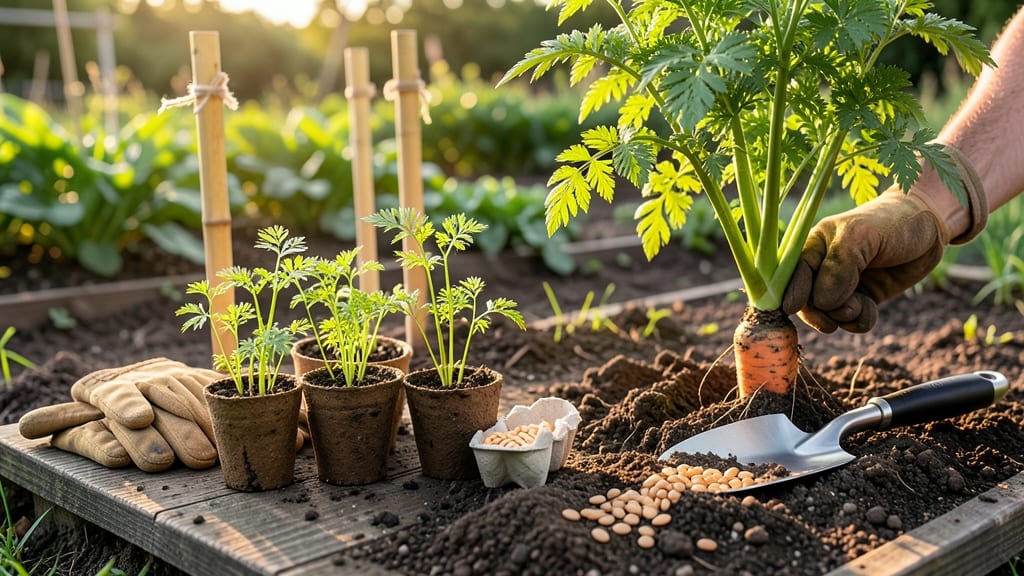
If you’ve ever planted 🥕 carrots in Zone 7a only to end up with bitter, stunted roots, timing is likely the culprit.
The difference between a crisp, sweet harvest and a disappointing one often comes down to when you put those seeds in the ground—too early, and frost ruins your progress; too late, and your carrots turn woody before you can enjoy them.
For Zone 7a, the ideal window for planting carrots is narrow but critical: aim for 4-6 weeks before your last frost date—typically mid-March to early April for most areas in this zone. But here’s the catch: soil temperature matters just as much as calendar dates.
Carrot seeds need consistently warm soil, around 50-60°F, to germinate properly, which can push your planting window slightly later if your spring is slow to warm up.
Beyond the spring window, many gardeners in Zone 7a also succeed with a second planting in late summer—around July—to extend their harvest into fall. This strategy works because cooler autumn temperatures help prevent bolting (when carrots flower prematurely) and keep roots sweet. But rushing it? That’s a recipe for failure.
In this guide, I’ll break down the exact weeks to plant for foolproof results, how to adjust for your specific last frost date, and why soil prep makes all the difference. Let’s get those carrots growing right.

Optimal planting weeks before last frost in Zone 7a for crisp carrots
In Zone 7a, timing your carrot planting to avoid frost and heat stress is the secret to sweet, crisp roots. The last frost date typically falls around April 15, but your exact date may vary by 1-2 weeks.
For perfect timing, plant 4-6 weeks before your last frost—this gives seedlings enough time to establish before warm weather arrives. Most gardeners in Zone 7a succeed with early spring plantings in March and late summer plantings in July for a fall harvest.
Carrot seeds germinate best when soil temperatures reach 60°F (15°C). In Zone 7a, this usually happens by mid-March, but always check your local frost-free date for precision.
If you’re unsure, use a soil thermometer—carrots won’t sprout until the soil warms up. Cold, wet soil can cause seeds to rot, so avoid planting until conditions are ideal.
For a continuous harvest, succession planting is key. Sow seeds every 2-3 weeks from March through May, then again in late July for a fall crop. This strategy ensures you’re never without fresh carrots.
In Zone 7a, your last chance for a fall harvest is usually around mid-August, giving roots time to mature before the first frost in mid-November.
| Planting Window | Soil Temp Requirement | Weeks Before Last Frost | Harvest Window |
|---|---|---|---|
| Early Spring (March) | 60°F (15°C) | 4-6 weeks | June-July |
| Late Summer (July) | 65°F (18°C) | 10-12 weeks (fall harvest) | October-November |
| Succession Plantings (March-May) | 60°F (15°C) | Every 2-3 weeks | Rolling harvest through July |
🌱 Key Takeaway: Zone 7a gardeners get 2-3 harvests per year with proper timing!
Bolting—when carrots flower prematurely—is a common issue in Zone 7a’s heat. To prevent this, choose short-day varieties like ‘Danvers Half Long’ or ‘Nantes’, which bolt less easily. Also, avoid planting in late spring or early summer when temperatures exceed 80°F (27°C).
If you must plant in summer, opt for heat-tolerant varieties like ‘Yellowstone’ and provide afternoon shade with a row cover.
Before planting, prepare your soil by removing rocks and clumps, which cause forked roots. Carrots need loose, well-draining soil with a pH of 6.0-7.0. Work in 2-3 inches of compost and avoid fresh manure, which can cause forking.
Plant seeds ¼ inch deep, spacing them 1-2 inches apart. Thin seedlings to 2-3 inches apart once they’re 2 inches tall to prevent competition.
If your last frost date is later than April 15, adjust your planting schedule accordingly. For example, in eastern Zone 7a, you might plant as late as mid-April, while western areas could start in early March.
Always monitor weather forecasts and be ready to cover seedlings with frost cloth if temperatures dip unexpectedly.
For a foolproof schedule, mark your calendar 6 weeks before your last frost date as your first planting window. Then, set reminders every 2-3 weeks for succession plantings. By late July, focus on your fall crop, aiming to harvest before the first frost.
With this approach, you’ll enjoy fresh carrots from June through November in Zone 7a.
Pro tip: Use a planting calendar or app to track your frost dates and soil temperatures. Many local Cooperative Extension offices provide free frost date maps tailored to your region. This small step can double your carrot yield by ensuring perfect timing every season.
Optimal planting weeks before last frost in Zone 7a for crisp carrots
In Zone 7a, timing your carrot planting is critical—aim for 4-6 weeks before your last frost date, typically around March 15-April 1 for most areas. Carrots thrive in 55-85°F soil, so wait until ground temps warm to 50°F to avoid slow germination.
Use your average last frost date (usually April 15) as your anchor point and count backward.
For spring planting, start seeds indoors 6-8 weeks before your last frost or sow directly outdoors 2-3 weeks before the final frost. In Zone 7a, this means late February to early March for indoor starts or mid-March for direct sowing.
This schedule ensures your carrots mature before summer heat arrives and causes bolting.
| Stage | Action | Zone 7a Timeline |
|---|---|---|
| Soil Prep | Loosen soil, remove rocks, add compost | Late February |
| Indoor Start | Sow seeds in trays | Late February |
| Direct Sow | Plant ¼" deep, thin seedlings | Mid-March |
| Succession Plant | Sow every 2 weeks until June | March-June |
| Fall Planting | Sow 10-12 weeks before first frost | Late July |
For fall harvests, plant again in late July to early August—this gives carrots 70-80 days to mature before the first frost (November 15). Choose cold-hardy varieties like 'Danvers' or 'Nantes', which tolerate cooler temps better.
Avoid planting after August 15, or your carrots may not reach full size before frost.
Pro tip: Use succession planting every 2-3 weeks from spring through early summer to ensure a steady supply. This works especially well in Zone 7a, where summers are long enough to support multiple plantings. Just stop by late June to avoid bolting from heat stress.
Always check your local frost dates—they can vary by 1-2 weeks even within Zone 7a. For example, Raleigh, NC typically has its last frost around April 1, while Lexington, KY sees it closer to April 15.
Adjust your schedule accordingly to avoid frost damage or woody roots.
Finally, prepare your soil by removing rocks and clumps—carrots need loose soil to grow straight. Add compost for fertility and improve drainage. With the right timing and soil prep, you’ll enjoy crisp, sweet carrots from June through November in Zone 7a! 🥕