
Plants
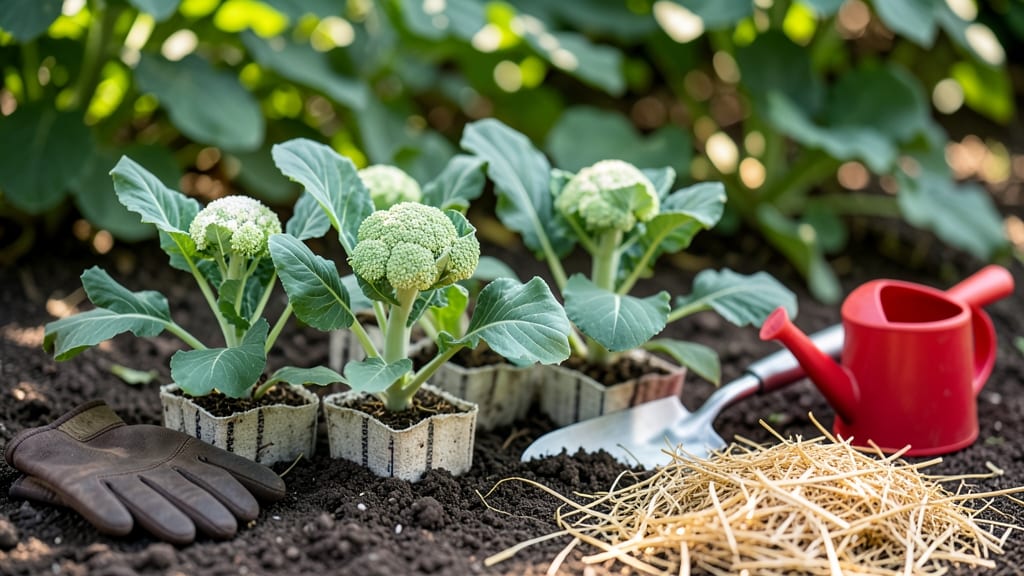
When to plant cauliflower in Georgia can make or break your harvest—get it wrong, and you’ll end up with bitter, bolted heads instead of the tender curds you’re dreaming of. The key lies in understanding your USDA Zone 7b-8a climate, where warm winters and long summers demand precise scheduling to avoid heat stress or premature flowering.
Most gardeners in Georgia struggle with the same question: when to plant cauliflower for reliable results. The answer isn’t one-size-fits-all, but mastering two critical windows—spring and fall—can transform your garden from frustrating to fruitful.
Spring plantings need cool soil temperatures, while fall crops must avoid Georgia’s early heat spikes that trigger bolting.
I’ve grown cauliflower in Georgia for years, and the difference between a 50-day harvest and a 100-day wait often comes down to planting just 2-4 weeks earlier or later.
Let me walk you through the exact months that work best, plus pro tips to extend your growing season and keep your plants happy—no matter what Georgia’s unpredictable weather throws your way.
Ready to go from guesswork to garden success? We’ll cover everything from soil prep to frost dates, so you can enjoy homegrown cauliflower 🥬 that’s sweeter and more abundant than anything you’ve ever bought at the store. Let’s get started!
Georgia’s ideal cauliflower planting windows by month (avoid bolting!)
Cauliflower thrives in Georgia’s cooler months, but getting the timing wrong means bitter-tasting bolts instead of tender heads. The key is planting when soil temps are 50-60°F—too hot or too cold, and your plants will rebel.
In USDA Zones 7b-8a, we focus on two windows: late winter for spring harvests and summer for fall harvests.
Spring plantings are riskier because Georgia’s heat arrives fast. Most gardeners succeed with fall transplants, which mature before winter chills. But with the right tricks—like shade cloth—I’ve grown cauliflower in both seasons without bolting. Let’s break down the exact months that work best for your zone.
📅 Month-by-Month Planting Guide for Georgia:
| Season | Planting Window | Soil Temp (°F) | Days to Harvest | Harvest Window | Key Tip |
|---|---|---|---|---|---|
| Spring | Late February - Early April | 50-60°F | 70-90 days | May - Early June | Use shade cloth if temps exceed 80°F |
| Fall | August - Early September | 55-65°F | 60-80 days | October - November | Avoid planting after mid-September |
| Winter | Not Recommended | N/A | N/A | N/A | Cauliflower won’t survive Georgia winters |
For spring plantings, start seeds indoors in January and transplant after your last frost date (typically mid-March). The challenge? Georgia’s heat arrives by late April, so choose fast-maturing varieties like ‘Snowball Y Improved’ (58 days) or ‘Purple of Sicily’ (65 days).
If you miss this window, your plants will bolt before forming heads.
Fall is your safest bet. Plant transplants (not seeds) in August for a November harvest. The goal is to harvest before first frost (usually late November in Zone 8a). Varieties like ‘Cheddar’ (60 days) or ‘Romanesco’ (75 days) handle Georgia’s mild winters better than others.
Pro tip: Check your local frost dates—they vary by county. For example, Athens (Zone 8a) has a later last frost than Savannah (Zone 8b).
Use the Old Farmer’s Almanac or your Cooperative Extension Service for precise dates. Even a 10-day difference can mean the difference between success and failure.
One mistake I see often? Planting too early in spring or too late in fall. Cauliflower needs consistent cool temps—if it gets too hot (85°F+) or too cold (40°F-), it bolts.
In Zone 7b, aim for August 1-15 for fall plantings. In Zone 8a, you can stretch to August 15-30.
Remember: Georgia’s humidity and clay soil can stress plants. Always amend soil with compost and mulch heavily to keep roots cool. With the right timing, you’ll avoid bolting and enjoy crisp, sweet cauliflower heads all season long. 🥬
Georgia’s ideal cauliflower planting windows by month (avoid bolting!)
Georgia gardeners know timing is everything when growing cauliflower. The USDA Zone 7b-8a climate demands precise planting windows to prevent bolting from heat stress. Spring and fall are your best bets, but getting the dates wrong can turn your crop into bitter, seed-filled stalks instead of tender heads.
Cauliflower thrives in cool weather (50-75°F) and bolts when temperatures exceed 80°F. Georgia’s long summers make spring planting risky, while fall offers a more forgiving window. Let’s break down the month-by-month strategy to maximize your harvest potential.
| Season | Planting Window | Transplant Dates | Harvest Window | Key Tips |
|---|---|---|---|---|
| Spring | Late February - Early April | 4-6 weeks before last frost (mid-March) | May - Early June | Use shade cloth after transplanting |
| Fall | August - Early September | 10-12 weeks before first frost (late November) | October - November | Mulch heavily to retain soil warmth |
| Extended Fall | Mid-September | Cold-hardy varieties only (e.g., 'Snowball Y Improved') | December (with row covers) | Use frost blankets for protection |
For spring plantings, start seeds indoors in January for transplants ready by late February. Georgia’s unpredictable last frost dates (mid-March in most areas) mean you’ll need to monitor local forecasts. Use shade cloth (30-50%) once temperatures climb above 75°F to prevent bolting.
Fall plantings offer more reliability. Begin seeds indoors in July for transplants ready by August. Choose late-maturing varieties like 'Chef's Choice' or 'Graffiti' for fall harvests. Mulch with straw or black plastic to maintain even soil temperatures between 60-70°F.
In Zone 8a areas (southern Georgia), extend your fall window by planting mid-September with cold-hardy varieties. Use row covers to protect against early frosts, which can turn heads woody. Remember: cauliflower needs consistent moisture—never let soil dry out during head formation.
Pro tip: Test your soil pH (ideal: 6.0-6.8) before planting. Georgia’s clay soils often need amendments like compost or sulfur to prevent nutrient deficiencies that stress plants and trigger bolting. 🥬