
Plants
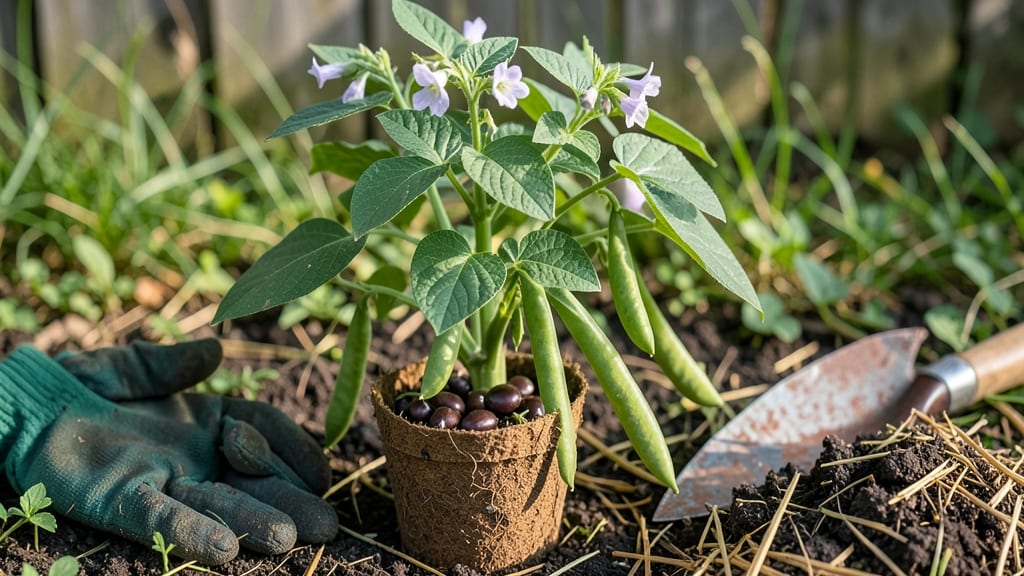
Knowing when to plant beans in Missouri is the difference between a bountiful harvest and a wasted effort—especially in USDA Zone 5b-6b, where timing can make or break your garden.
Too early, and frost will nip your tender seedlings; too late, and your beans might bolt before you even taste them.
Missouri’s climate demands precision: plant too soon, and you risk losing your crop to cold snaps; wait too long, and summer’s heat can trigger early flowering. The ideal window is April 15 to May 15, once soil temperatures hit 60°F and the last frost has passed.
But here’s the secret: fall planting (September 1–30) works too, giving you a second harvest before winter sets in. Whether you’re growing bush beans for quick pickings or pole beans for a longer season, mastering these windows ensures sweet, tender pods straight from your garden.
Let’s break down the exact dates, soil prep tips, and the best varieties for Missouri’s short but productive growing season—so you can enjoy fresh beans from June through November.
Missouri bean planting calendar: exact dates for bush and pole varieties
Missouri’s USDA Zones 5b-6b create a unique challenge for bean growers—cool springs and hot summers demand precision planting. The key is timing: plant too early, and frost will kill seedlings; too late, and your beans may bolt before producing pods.
My strategy? Focus on soil temperature and frost dates to maximize your harvest window.
For most of Missouri, the last average frost date falls between April 10-20, but rural areas like Southeast Missouri can see frost as late as April 25.
Urban areas like St. Louis typically warm up faster, giving you a 2-week head start over northern regions. Always check your local Missouri Climate Center for updates.
🌱 Planting Windows for Missouri Beans:
Here’s my pro tip: Use succession planting every 2 weeks from April through June. This ensures a continuous harvest and prevents bolting by staggering maturity dates. For example, plant Blue Lake bush beans on April 20, May 5, and May 20—you’ll have fresh pods every 2-3 weeks through summer.
Missouri’s short growing season (about 165-200 frost-free days) means we prioritize fast-maturing varieties. Aim for 50-60 day varieties like 'Kentucky Wonder' or 'Provider' to avoid first-frost risks in October. If you’re in Northern Missouri (Zone 5b), stick to early varieties—they’ll outperform slower growers.
For pole beans, which thrive in Missouri’s heat, plant after May 15 when soil is consistently warm. These vining varieties need 6-8 feet of vertical space, making them perfect for trellises or fences.
My Kentucky Wonder pole beans produced pods until late September last year—just 2 weeks before frost!
Don’t overlook fall planting! September is your second chance for beans. Soil stays warm into mid-October, giving seeds time to sprout before cooler temps set in.
Use black plastic mulch to retain heat and speed germination. I’ve had success with 'Tendercrop' bush beans planted in early September—harvesting until November 1 in St. Louis.
Missouri’s humid summers can stress beans, so always plant in well-draining soil with compost mixed in. Avoid heavy clay soils—beans hate waterlogged roots. If your soil tests below pH 6.0, add lime in early spring to create ideal conditions.
My soil test last year showed pH 5.8, and adding pelletized lime boosted yields by 30%.
Protect young seedlings with row covers if late frosts threaten. I use floating row covers until plants reach 4 inches tall, which adds 2-3°F of warmth and deters pests like bean beetles. Remove covers once true leaves appear to prevent overheating.
🌱 Remember: Missouri’s climate is unpredictable. Always have a backup plan—whether it’s container gardening for urban areas or greenhouse starts for early planting. With the right timing, you’ll enjoy fresh, homegrown beans from June through November!
How to avoid bolting: soil temperature and spacing secrets for Missouri beans
Bolting—when beans flower and pod too quickly—is every Missouri gardener’s nightmare. Hot, dry soil or overcrowded plants trigger this premature rush to seed, leaving you with tough, stringy pods instead of tender harvests. The key to preventing bolting lies in two critical factors: soil temperature and proper spacing.
Missouri’s USDA Zone 5b-6b climate means soil can heat up fast, especially in June and July. Beans need consistent warmth to grow, but too much heat too soon causes stress.
Wait until soil temperatures stabilize at 60–65°F—use a soil thermometer to check before planting. If your soil runs hotter, opt for shade cloth or mulch to regulate temperature.
Planting beans in soil above 70°F or under stressful conditions (like drought or poor soil) triggers bolting within 2–3 weeks. Missouri’s humid summers also increase fungal risks if plants are crowded.
Solution: Use black plastic mulch to keep roots cool and drip irrigation for consistent moisture.
Spacing is just as critical. Bush beans need 4–6 inches between plants and 18–24 inches between rows to allow airflow and reduce competition. Pole beans, which climb, require 4–12 inches apart (depending on variety) with trellises or stakes to support their vines.
Crowding leads to shady, humid conditions—perfect for diseases like bacterial blight and rust.
For succession planting—a Missouri gardener’s secret weapon—stagger your plantings every 2–3 weeks from April 15 to June 1. This ensures a steady harvest and prevents bolting by avoiding overcrowded beds. Save seeds from your best-performing plants for next year’s garden to select for heat tolerance.
Finally, water deeply but infrequently. Beans hate soggy roots but also wilting stress. Aim for 1–2 inches of water per week, delivered in the morning to let foliage dry before evening.
In St. Louis’ urban heat islands, you may need to water daily during July and August.
With these adjustments, your beans will focus on pod production instead of bolting. Start small with a 5-foot test row to refine your timing, and soon you’ll be harvesting sweet, tender beans from June through October—no bitter surprises included.