
Plants
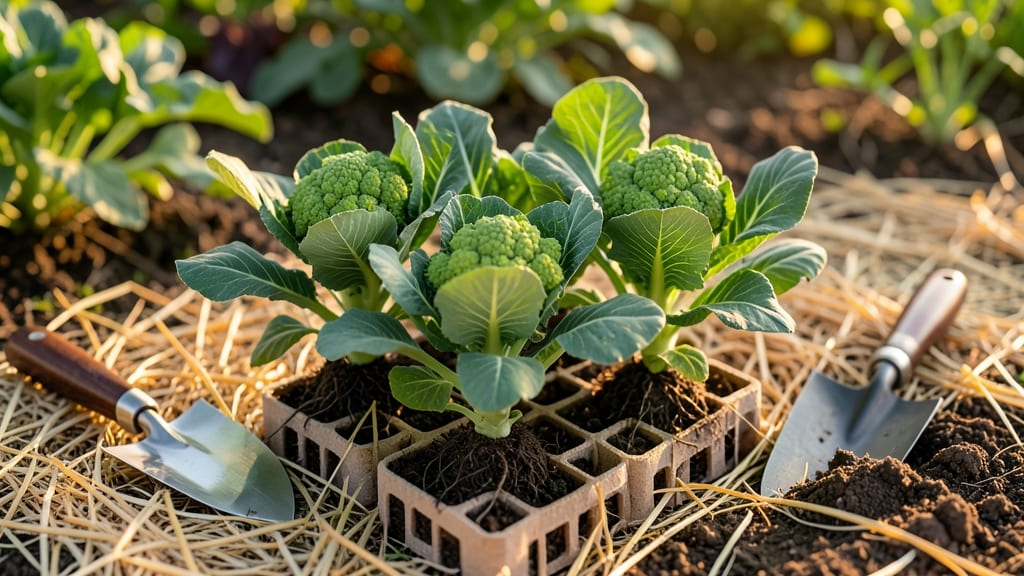
When to plant cauliflower in North Carolina can feel like solving a puzzle—get it wrong, and you’ll end up with bitter, bolted heads instead of those perfect, snowy-white curds you crave. The key? Planting at the right moments to dodge NC’s notorious summer heat and unpredictable frost dates.
If you’ve ever watched your cauliflower suddenly shoot up flower stalks (bolting) or wilt under the midday sun, you know how frustrating it can be.
But here’s the good news: with the right schedule, you can grow two successful harvests each year—one in spring and another in fall—even in USDA Zones 7b-8a.
I’ll walk you through the exact windows for starting seeds indoors and transplanting seedlings, plus how to adjust for your specific corner of the state. Whether you’re in Raleigh’s humid Piedmont or Wilmington’s coastal breezes, these tips will help you avoid common mistakes and keep your cauliflower thriving.
Ready to master the art of bolting-free cauliflower? Let’s dive into the planting calendar that works for NC’s tricky climate—so you can enjoy homegrown harvests from May through November.
Optimal planting windows for cauliflower in NC (Zone 7b-8a)
Cauliflower thrives in North Carolina’s cool-season windows, but our humid summers and warm winters demand precise timing. Plant too early, and heat will trigger bolting (premature flowering). Too late, and frost will ruin tender heads. The key? Two planting cycles: early spring and late summer.
For spring harvests, start seeds indoors 6-8 weeks before your last frost date (typically mid-February to early March). Transplant seedlings when soil warms to 60°F (usually late March to early April). This gives heads time to mature before summer’s heat arrives.
For fall harvests, sow seeds July 15–August 15 for transplanting. Choose heat-tolerant varieties like ‘Snowball Y Improved’ or ‘Purple of Sicily’ to withstand NC’s 90°F+ temperatures. Harvest before first frost (mid-November) to avoid frost damage.
| Planting Window | Ideal Months | Soil Temp | Harvest Time | Key Tip |
|---|---|---|---|---|
| Spring Cycle | February–March (indoors) March–April (outdoors) |
60–70°F | May–June | Use row covers to delay heat stress. |
| Fall Cycle | July–August (indoors) August–September (outdoors) |
60–75°F | October–November | Choose heat-tolerant varieties. |
NC’s microclimates complicate timing. Coastal areas (e.g., Wilmington) have warmer winters, so you can plant 2–3 weeks earlier than Piedmont regions (e.g., Raleigh). Always check your local frost dates—they vary by 10–14 days across the state.
Avoid planting directly in summer heat (June–July). Cauliflower bolts when temperatures exceed 80°F for 3+ days. Instead, use shade cloth (30–50%) or grow in partial shade during peak heat. Mulch with straw or grass clippings to keep roots cool.
For container gardening, start seeds indoors in late February and transplant to pots by April 1. Use large containers (12"+ diameter) and keep them in morning sun to avoid afternoon heat. Containers dry faster, so water daily in summer.
Pro tip: Succession planting every 2–3 weeks in spring/fall ensures a steady harvest. For example, sow a batch in late February, then again in mid-March and early April. This spreads out your harvest and reduces bolting risk.
Monitor soil moisture closely—cauliflower is sensitive to drought. Let soil dry slightly between waterings, but never let it crust over. Drip irrigation or soaker hoses work best to deliver consistent moisture without wetting leaves (which invites disease).
If you miss the ideal windows, don’t despair! Winter planting (December–January) can work in Zone 7b with row covers. Choose fast-maturing varieties (50–60 days) like ‘Snowball 57’ and harvest before late February when days lengthen.
Optimal planting windows for cauliflower in NC (Zone 7b-8a)
Cauliflower thrives in North Carolina’s cooler months, but the key is planting at the right time to avoid heat stress and premature bolting. In USDA Zones 7b-8a, the ideal windows are early spring and late summer, with transplant timing tied to soil temperatures and frost dates.
For a spring harvest, start seeds indoors 6-8 weeks before your last frost date (typically mid-March). Transplant seedlings outdoors when soil reaches 60°F—usually late February to early March in most of NC. This gives you heads ready by May or June before summer heat sets in.
For a fall harvest, the magic window is late July to early August. Plant seeds directly in the ground or transplant hardened-off seedlings. Aim to harvest before the first frost (mid-November in most areas), ensuring crisp, flavorful curds.
| Season | Planting Window | Soil Temp | Harvest Time | Key Tip |
|---|---|---|---|---|
| Spring | Feb 15 - Mar 15 | 60°F+ | May - June | Use row covers for frost protection |
| Fall | Jul 20 - Aug 10 | 55-65°F | Oct - Nov | Water deeply to prevent bolting |
NC’s humid summers make mid-summer plantings risky—cauliflower bolts when temps exceed 85°F for more than 3 days. To beat the heat, choose heat-tolerant varieties like ‘Cheddar’ or ‘Purple of Sicily’ and provide afternoon shade with 30% shade cloth if needed.
For extended harvests, try a second fall planting in early September (if your first frost comes late). Use black plastic mulch to warm soil faster and drip irrigation to maintain even moisture. This can push your harvest into December in milder microclimates like the coastal plain.
Remember: Consistent moisture is critical throughout the growing season. Cauliflower heads need 1 inch of water weekly, delivered in the morning to prevent fungal diseases like downy mildew, which thrives in NC’s humidity.