
Plants
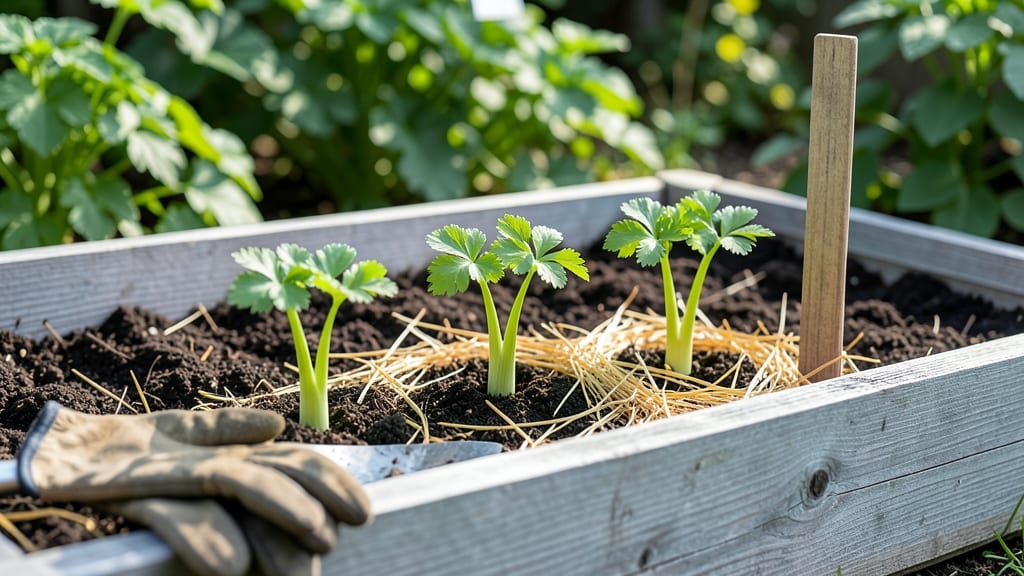
Knowing when to plant celery in Louisiana could mean the difference between a thriving garden and wasted seeds. This cool-weather crop needs precise timing to avoid rotting in humidity or bolting in heat—both common pitfalls in our 8a-9b zones.
Most gardeners in Louisiana plant 🥬 celery in early spring (February-March) or late summer (August-September) to align with soil temperatures above 55°F—the magic number for fast germination.
But here’s the catch: summer planting requires extra shade to prevent heat stress, while spring plantings must race against early humidity spikes.
I’ve tested these windows myself and found that fast germination depends on soil prep: loose, well-draining beds with compost keep roots happy. Let me walk you through the exact schedule that works for Louisiana’s climate, plus how to adjust for your specific zone’s frost dates.
Whether you’re aiming for crisp spring stalks or a fall harvest, these tips will help you beat Louisiana’s challenges and grow celery that’s sweeter and more abundant than store-bought. Ready to get started?
Louisiana celery planting timeline by soil temperature zones
Celery thrives in Louisiana’s USDA Zones 8a-9b, but soil temperature determines your planting success. Seeds need 55°F+ soil to germinate—any cooler, and they’ll rot in the humid air.
Louisiana’s three climate zones (North, Central, South) each have slightly different last frost dates and ideal transplant windows, so let’s break it down by region.
For Northern Louisiana (Zone 8a), aim to plant seeds indoors by late January or transplant seedlings after March 15.
The last frost typically hits around March 15, but cooler pockets near Shreveport may experience frost into early April. Fall planting works too—sow seeds August 1-15 for a November-December harvest before winter chill sets in.
Central Louisiana (Zone 8b), including Baton Rouge and Lafayette, has a longer growing window. Start seeds indoors by mid-February or transplant after February 28. This zone’s last frost date is around March 1, but soil warms faster here. For fall, plant seeds late July to early August for a late fall harvest before the first frost (November 15).
In Southern Louisiana (Zone 9a-9b), like New Orleans and Houma, you can plant seeds directly outdoors as early as January 15 if soil temps are stable. Transplant seedlings after February 15 for spring harvests.
For fall, sow seeds July 15-August 15 to beat the first frost, which can arrive as early as November 1 in coastal areas.
| Zone | Last Frost Date | Spring Planting Window | Fall Planting Window | Harvest Window |
|---|---|---|---|---|
| Northern (8a) | March 15 | Indoors: Late Jan Outdoors: After March 15 |
August 1-15 | May-June November-December |
| Central (8b) | March 1 | Indoors: Mid-Feb Outdoors: After Feb 28 |
Late July-Early Aug | April-June October-November |
| Southern (9a-9b) | November 1 (coastal) | Outdoors: Jan 15 Transplant: After Feb 15 |
July 15-Aug 15 | March-May September-November |
Mississippi River parishes like Pointe Coupee and Avoyelles fall in the Central zone, while Caddo Parish leans Northern. Always check your local frost dates—microclimates can shift planting windows by weeks. Use a soil thermometer to confirm temps before sowing seeds directly; 55°F+ is non-negotiable for germination.
Pro tip: Extend your season with row covers or cold frames in Northern Louisiana. These protect young plants from late frosts and let you plant seeds 2-3 weeks earlier than the official window. Just remove covers when temps rise above 70°F to avoid overheating.
For fall harvests, prioritize slow-bolting varieties like Utah Improved. Louisiana’s long summer heat can trigger premature flowering, so choose shade-tolerant types and plant in partial shade during peak heat (June-August). Mulch heavily to keep soil cool and moist—this is key in Zone 9b’s intense summer.
Timing your celery harvest right means 120-150 days from seed. In Louisiana, this lands in late May-June for spring plantings and November-December for fall. Mark your calendar: harvest before stalks exceed 18 inches or they’ll turn woody and tough.
🌱
Louisiana celery planting timeline by soil temperature zones
Louisiana’s three distinct climate zones—North, Central, and South—each require slightly different celery planting windows to avoid frost damage or heat stress. The key to success? Waiting until soil temperatures hit 55°F or warmer for germination.
In colder northern regions, this means late February to early March, while southern Louisiana gardeners can start as early as mid-January.
Celery thrives in cool-season conditions, so timing your plantings for fall/winter harvests (August-September sowings) is just as critical as spring plantings. The last frost date (March 15) and first frost date (November 15) bookend your growing windows, but Louisiana’s humidity makes proper soil prep non-negotiable.
🌱 Louisiana Celery Planting by Zone
| Zone | Spring Planting Window | Fall Planting Window | Soil Temp Threshold | Key Consideration |
|---|---|---|---|---|
| North (USDA 8a) | Late Feb - Early Mar | Mid-Aug - Early Sep | 55°F+ | Higher frost risk; use row covers |
| Central (USDA 8b) | Mid-Feb - Late Mar | Late July - Mid-Sep | 55°F+ | Balanced climate; ideal for two crops |
| South (USDA 9a-9b) | Early Jan - Mid-Feb | June - July | 60°F+ (warmer soil) | Heat stress risk; prioritize shade |
For transplanting seedlings, aim for 4-6 weeks after soil warming—this gives your celery time to establish roots before summer heat arrives. In northern Louisiana, transplant by April 15 for spring harvests, while southern gardeners can extend this to May 1 with shade protection.
Pro tip: Use a soil thermometer to monitor temperatures. Celery seeds won’t germinate below 55°F, and waiting for 60°F+ speeds up sprouting. In humid Louisiana, this also reduces the risk of damping-off disease, a common seedling killer.
Remember, fall plantings should be timed for harvest before November 15 to avoid frost. For southern zones, August sowings yield crisp stalks by October, while central and northern zones benefit from September starts to beat early frosts.
If you’re growing celery for year-round harvests, succession planting every 2-3 weeks ensures a steady supply. Just be prepared to protect young plants with frost cloth during unexpected cold snaps—Louisiana’s weather can be unpredictable! 🌱