
Plants
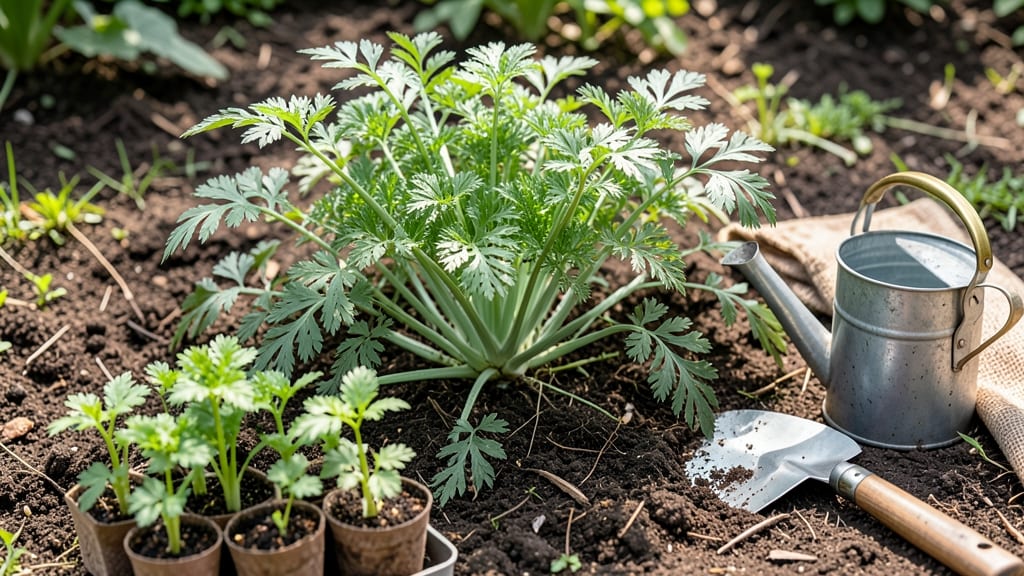
If you’ve ever wondered when to plant celery in Florida, the answer isn’t as simple as "spring" or "fall"—it’s about beating the heat while working with Florida’s unique climate.
Unlike cooler climates, Florida’s frost-free zones (9a-11) let you grow 🥬 year-round, but timing is key to crisp, sweet stalks instead of bitter or bolting plants.
Most gardeners in Florida plant celery in fall or winter, when temperatures dip below 85°F—the threshold where celery starts to struggle.
September through November and February through March are your sweet spots, but even then, humidity and pests can throw a wrench in your plans if you’re not prepared.
Here’s the game-changer: heat-tolerant varieties like ‘Tall Utah’ or ‘Golden Self-Blanching’ can handle Florida’s warmth better than standard types. Combined with the right soil prep and shade strategies, you’ll avoid the common pitfalls that turn Florida gardens into celery graveyards.
Ready to grow celery that’s actually crisp and flavorful? I’ll walk you through the exact planting schedule, variety picks, and pro tips to keep your 🥬 thriving—even in the Sunshine State’s hottest months.
Best planting times for celery in Florida by region
Florida’s year-round growing potential makes celery cultivation possible, but heat tolerance thresholds (85°F+) determine success. Unlike northern states, Florida’s USDA Zones 9a-11 allow for fall and winter plantings with minimal frost risk. However, summer heat will cause celery to bolt or develop bitter stalks.
Celery thrives in cooler temperatures (60°F-75°F), so timing varies by region. North Florida’s mild winters (Zone 8a) allow for earlier fall plantings, while South Florida’s tropical climate (Zone 11) extends the growing window into early spring.
Central Florida (Zone 9a) offers the best balance for year-round experimentation.
Here’s the exact planting schedule for Florida’s three regions, including ideal months and heat-sensitive windows:
| Region | USDA Zone | Best Planting Months | Heat Risk Window | Harvest Window |
|---|---|---|---|---|
| North Florida | 8a-9a | September–October February–March |
April–May October–November |
December–February June–July |
| Central Florida | 9a-9b | August–September January–February |
March–April October–November |
November–January May–June |
| South Florida | 10a-11 | July–August December–January |
February–March September–October |
October–December April–May |
🌡️ Key: Bold months = highest success; italics = possible but risky
For North Florida gardeners, September–October is the safest window—temperatures hover around 75°F-80°F, ideal for seedling establishment. February–March plantings yield spring harvests before summer heat sets in. Avoid planting after April unless using shade cloth.
Central Florida’s August–September start gives celery a 3-month head start before December’s mild temperatures. January–February plantings align with cooler, drier periods, reducing fungal risks. October–November is a secondary window if you’re willing to protect plants from late-summer heat.
South Florida’s year-round growing means July–August plantings can succeed with shade and consistent moisture. However, harvest before March to avoid bolting. December–January is the sweet spot for crisp, sweet stalks—temperatures rarely exceed 78°F.
Regardless of region, transplant seedlings (not direct-sow) for faster maturity. Harden off 6-week-old seedlings in partial shade before setting them out. Mulch heavily with straw or pine needles to retain soil moisture and moderate root-zone temps.
Pro tip: Use a soil thermometer to monitor root-zone temps. Keep them below 80°F—any hotter, and celery bolts. If temps climb, provide afternoon shade with 30% shade cloth.
🌱
Best planting times for celery in Florida by region
Florida’s three distinct regions—North, Central, and South—each offer unique microclimates for growing celery 🥬. Unlike cooler states, Florida’s frost-free winters mean you can grow celery year-round, but optimal timing avoids heat stress and bolting. Focus on fall and winter for the crispiest stalks.
In North Florida (Zones 8a-9a), cooler temperatures arrive earlier. This region enjoys ideal celery growth from September through March, with peak harvests in November and February. Avoid planting after March 15, as rising temperatures trigger bolting.
| Region | Best Planting Window | Peak Harvest | Avoid After |
|---|---|---|---|
| North Florida (Zones 8a-9a) | September 15 – March 15 | November – February | March 15 |
| Central Florida (Zones 9b-10a) | October 1 – April 1 | December – March | April 15 |
| South Florida (Zones 10b-11) | August 15 – May 15 | September – January | June 1 |
Central Florida (Zones 9b-10a) has a slightly longer growing window. Plant October through April for consistent harvests, with December to March being the sweet spot. Temperatures here stay mild longer, but avoid planting after April 15 to prevent heat stress.
For South Florida (Zones 10b-11), the window stretches almost year-round. Start seeds August 15 through May 15 for two harvest cycles: one in fall (September–November) and another in winter (December–February). Even summer planting is possible with shade cloth and extra water.
Regardless of region, transplant seedlings when soil temps drop below 85°F. Use a soil thermometer to monitor—celery roots struggle in heat above this threshold. Mulch heavily to retain moisture and cool soil.
Pro tip: Succession planting every 3 weeks ensures a continuous supply. In North Florida, your last batch should be in the ground by February 15; in South Florida, push it to March 31 for a late-winter harvest. 🌱