
Plants
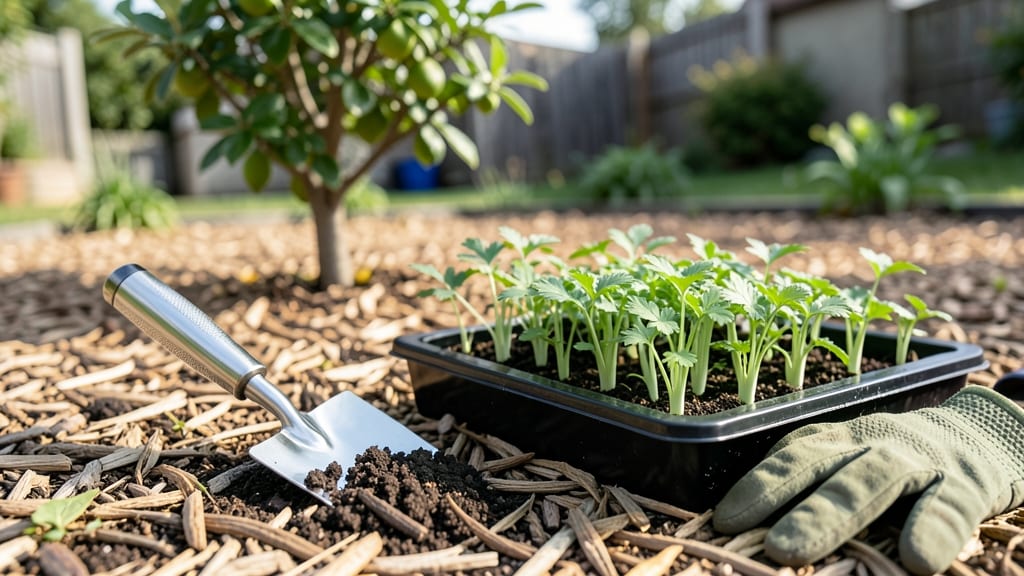
Optimal planting windows for celery in Zone 6 by soil temperature
Celery is a cool-season crop that despises heat, so timing your Zone 6 plantings around soil temperature is critical. The ideal window spans from mid-April to early June for spring and late July to early August for fall.
Planting outside these ranges risks bolting—when your crisp stalks turn bitter and flower prematurely.
For transplants, wait until soil reaches 45-55°F to avoid cold damage. If you're direct-sowing seeds, aim for 60-70°F soil to prevent slow germination. In Zone 6, this typically aligns with late April for transplants and early May for seeds in spring.
Here’s how to align your planting with soil temperature and last frost dates in Zone 6:
| Planting Stage | Soil Temp (°F) | Zone 6 Timeline | Key Notes |
|---|---|---|---|
| Start Seeds Indoors | 65-70°F | February-March | Transplant outdoors after last frost. |
| Transplant Seedlings | 45-55°F | Mid-April to early June | Avoid transplant shock with shade cloth. |
| Direct-Sow Seeds | 60-70°F | Early May or late July | Use row covers to protect from heat. |
| Fall Planting | 55-65°F | Late July to early August | Harvest before first frost (Oct 15). |
In Zone 6, early spring plantings (March-April) risk cold soil, while late spring plantings (June) face bolting as temperatures rise. For a second harvest, plant late summer seeds (July-August) to mature before frost. Always check your local last frost date—Zone 6’s average is around April 15.
To extend your growing window, use row covers or shade cloth to regulate soil temperature. For example, a lightweight row cover can raise soil temps by 5-10°F, delaying bolting. In my garden, I’ve successfully grown celery into early October using these tricks.
If you’re direct-sowing seeds, plant them 1/4 inch deep and keep soil moist until germination (7-14 days). For transplants, harden off seedlings for 7-10 days before moving them outdoors. Space plants 12-16 inches apart to allow airflow and reduce disease risk.
Bolting is your biggest enemy, so avoid planting celery when daytime temps exceed 75°F. In Zone 6, this means June plantings are risky—opt for succession planting in May and July instead.
I’ve had the best luck with two plantings per year: one in early spring and one in mid-summer.
Pro tip: Use a soil thermometer to monitor temps. If soil drops below 40°F, your celery will suffer. Mulch with straw or shredded leaves to insulate roots and maintain consistent moisture. This simple step can add 2-3 weeks to your harvest window.
Remember, celery is a slow grower—it takes 120-160 days to mature. Plan your plantings accordingly to avoid gaps in your harvest. With the right timing, you can enjoy fresh celery from late summer through fall in Zone 6.
🥬
Optimal planting windows for celery in Zone 6 by soil temperature
Celery is a cool-season crop that bolts—produces bitter flower stalks—when exposed to heat stress or long daylight hours. In Zone 6, timing your plantings around soil temperature and frost dates is key to avoiding this.
The best windows are early spring (mid-April to early June) and late summer/fall (late July to early August), when daytime temps stay below 75°F and nights dip below 60°F.
For spring plantings, wait until soil temperatures reach 45-55°F—this ensures slow, steady growth without bolting.
Use a soil thermometer to check; planting too early (when soil is still cold) stunts growth, while waiting too long risks heat stress. Transplants (bought seedlings) adapt better to cooler soil than direct-sown seeds, which need warmer soil (60-70°F) to germinate reliably.
🌱 Celery Planting Timeline for Zone 6
| Stage | Action | Soil Temp | Notes |
|---|---|---|---|
| Start Seeds Indoors | 10-12 weeks before last frost | 65-70°F | Use grow lights for 14-16 hrs/day |
| Transplant Outdoors | Mid-April to early June | 45-55°F | Hardening off required |
| Direct Sow Seeds | Late July to early August | 60-70°F | Cover seeds with 1/4" soil |
| Harvest Window | Late summer to fall | N/A | 120-160 days after transplanting |
Fall plantings are your second chance to grow celery in Zone 6. Sow seeds late July to early August when soil is still warm (60-70°F) but daytime highs start dropping below 80°F. This timing ensures celery matures before first frost (mid-October). For succession planting, stagger transplants every 2-3 weeks in spring or 3-4 weeks in fall to extend your harvest window.
Avoid planting celery in late spring (June) or early summer—the long daylight hours and heat trigger bolting. If you must plant then, use shade cloth (30-50%) and daily watering to reduce stress. Even with these precautions, flavor and texture will suffer compared to cooler-season growth.
Pro tip: Mulch around plants with straw or grass clippings to keep soil consistently moist and cool. This mimics celery’s native wetland conditions and prevents bolting. Test soil moisture by squeezing a handful—it should feel damp but not soggy—and water deeply in the morning to avoid fungal issues.
By mastering these soil temperature triggers, you’ll grow crisp, sweet celery instead of bitter, woody stalks. The key is patience—rushing the timeline leads to disappointment, but following these windows guarantees a reliable harvest in Zone 6’s unpredictable climate. 🥬