
Plants
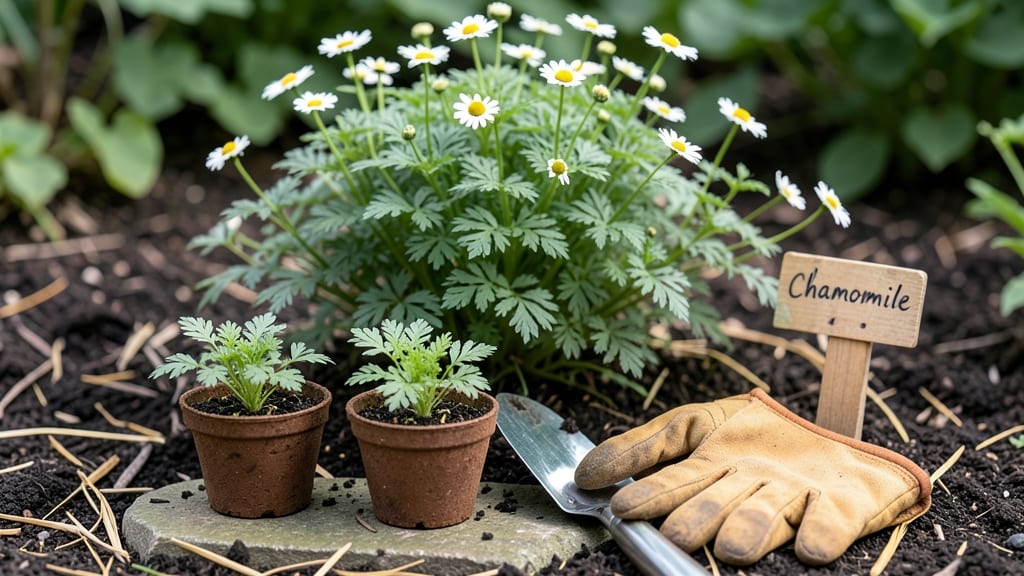
Timing chamomile planting in Texas isn't just about the calendar—it's about beating the heat to get those fragrant 🌼 blooms without bolting. The wrong window means struggling with heat stress or missed harvests, but get it right, and you're rewarded with lush, zero-bolt chamomile year after year.
Texas gardeners in zones 8a-10b have two prime chances: September-November for fall planting or February-March for early spring. These months give young plants time to establish roots before summer's brutal heat or winter's chill sets in.
Whether you're in North or South Texas, nailing this timing is the key to avoiding the dreaded bolting that turns your delicate chamomile into a leggy mess.
I've tested both approaches across different Texas regions, and the results speak for themselves. Fall planting gives you a head start on spring harvests, while early spring sowings avoid the worst summer heat.
Either way, proper soil prep and smart watering make all the difference between thriving chamomile and a sad, struggling herb.
Ready to grow chamomile that actually blooms? Let me walk you through the exact planting windows, soil secrets, and watering tricks that'll have your garden bursting with 🌼 flowers—no bolting in sight. Here's how to make it happen in Texas's tough climate.
Texas chamomile planting calendar: month-by-month breakdown for zero bolting
Chamomile thrives in Texas’s mild winters and scorching summers, but timing is critical to avoid bolting (premature flowering). In North Texas (Zones 7a–8a), aim for September 15–October 15 for fall planting, while Central and South Texas (Zones 8b–10b) can extend planting until November 1.
Early spring plantings in February–March also work, but avoid late spring when heat spikes trigger bolting.
Texas’s last frost dates vary wildly—January 15 in Zone 8a vs. December 1 in Zone 10b. Wait until soil temps stay above 60°F (15°C) for 7+ days before planting.
In South Texas, August sowings are possible if you provide shade cloth to protect seedlings from 100°F+ heat.
German chamomile (Matricaria chamomilla) bolts faster than Roman chamomile (Chamaemelum nobile). For zero-bolt blooms, prioritize Roman chamomile in North Texas and German chamomile in cooler microclimates like the Hill Country.
| Month | Zone 7a–8a (North TX) | Zone 8b–9b (Central TX) | Zone 10a–10b (South TX) |
|---|---|---|---|
| August | ❌ Avoid (too hot) | ⚠️ Shade cloth needed | ✅ Possible (early) |
| September | ✅ Ideal (soil 60°F+) | ✅ Ideal (best month) | ✅ Ideal (extend to Oct) |
| October | ✅ Ideal (last chance) | ✅ Ideal (soil still warm) | ✅ Ideal (until Nov 1) |
| November | ❌ Too cold (Zone 7a) | ⚠️ Risky (cooler nights) | ✅ Possible (Zone 10b) |
| February | ✅ Early spring | ✅ Early spring | ✅ Early spring |
| March | ⚠️ Late (bolting risk) | ⚠️ Late (bolting risk) | ❌ Avoid (heat stress) |
For North Texas gardeners, focus on fall planting (September–October) to ensure blooms by April–May. In South Texas, August sowings under shade cloth can yield summer flowers, but prioritize fall plantings for longer harvests. Always mulch heavily (2–3 inches) to retain moisture and regulate soil temps.
Texas’s first frost dates also dictate timing: December 15 in Zone 8a vs. January 1 in Zone 10b. If you plant in late fall, use row covers to protect seedlings from 32°F+ temps. In Zone 10b, chamomile can grow year-round with minimal care.
Pro tip: Direct-sow seeds in well-draining soil with 1/4-inch depth. Space seeds 12–18 inches apart to prevent overcrowding. In containers, use 5-gallon pots for each plant to mimic Texas’s caliche-heavy soils.
Bolting is your biggest enemy in Texas heat. To delay it, avoid nitrogen-rich fertilizers and harvest flowers regularly. In summer, provide afternoon shade (30–50% shade cloth) to extend the growing season.
For German chamomile, expect 60–75 days to bloom from seed. Roman chamomile takes 75–90 days but resists bolting better in 100
How to time chamomile planting for Texas’s microclimates and avoid common mistakes
Texas’s diverse climate zones (7a–10b) mean your chamomile planting window can vary by hundreds of miles. In North Texas, aim for late February to March, while South Texas gardeners should plant September to November to escape summer’s brutal heat.
The key? Plant when soil temps drop below 75°F—any hotter, and your chamomile will bolt prematurely.
For German chamomile (the fragrant variety), prioritize fall planting—it thrives in cooler weather and blooms reliably. Roman chamomile, meanwhile, is slightly more heat-tolerant but still prefers mild temperatures. Pro tip: Use a soil thermometer to confirm temps before sowing—60°F–70°F is ideal for germination.
⚠️ CALLOUT WARNING ⚠️
Avoid These Texas-Specific Planting Mistakes
• Planting in mid-summer (June–August) = instant bolting. Chamomile hates heat stress.
• Skipping soil prep in heavy clay (common in East Texas). Chamomile needs well-draining soil to prevent root rot.
• Overcrowding seeds. Space them 12–18 inches apart for airflow—critical in humid Texas summers.
Adjust your planting timeline based on your USDA zone: Zone 7a–8a: Start seeds indoors by January, transplant late March. Zone 9a–10b: Direct-sow September–October for winter blooms. Central Texas (8b)**: Split the difference—plant early March or September.
For seed-starting indoors, begin 6–8 weeks before your last frost date. Use biodegradable pots to avoid transplant shock—a common issue in Texas’s dry, windy conditions. Harden off seedlings for 7–10 days before moving them outdoors, especially if planting in spring’s unpredictable weather.
If you miss the ideal window, don’t panic! Succession plant every 4–6 weeks through October to extend your harvest. Just remember: never plant after August in most of Texas—your chamomile will struggle to survive the heat.
Monitor your plants for bolting signs (long stems, yellowing leaves) and adjust watering to deep, infrequent soaks (1 inch per week). Mulch with straw or pine needles to keep roots cool—this is non-negotiable in Texas’s intense summer sun.