
Plants
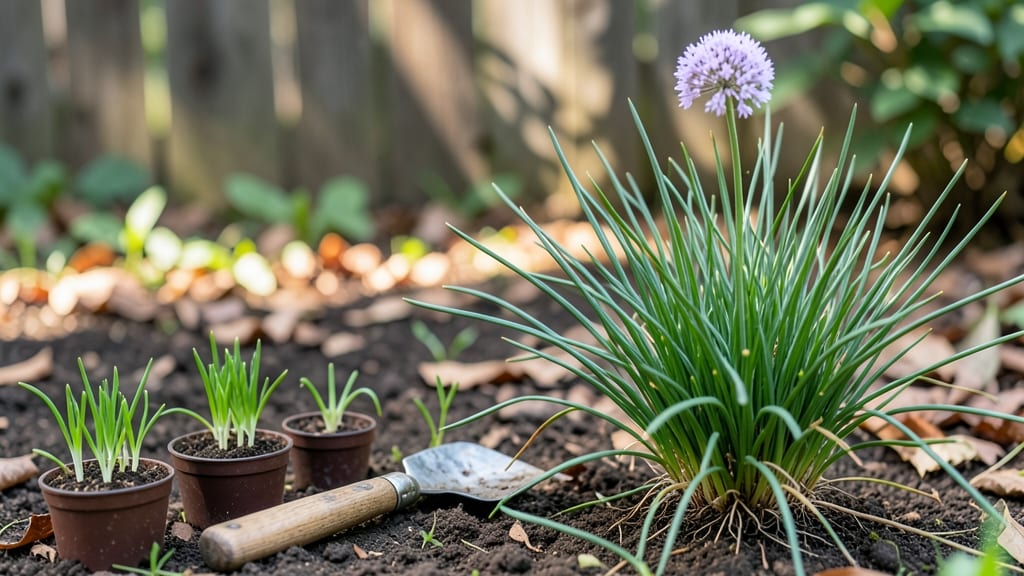
Timing your chives planting in Texas isn’t just about the calendar—it’s about beating the heat, avoiding frost, and setting yourself up for a harvest that tastes as fresh as the morning air.
Whether you're in zone 8a or 10b, planting too early risks a surprise freeze, while waiting too long might leave you scrambling for flavor in the dog days of summer.
Here’s the game-changer: Chives thrive when planted in fall (September-November) or spring (February-April), but the exact window depends on your region’s last frost date.
In North Texas, you might start as early as late February, while South Texas gardeners can push planting into March or even April without worrying about frost. The key is to plant when soil temperatures hit 50°F—that’s when your chives will take off.
I’ve grown chives in Texas for years, and I’ll show you how to align your planting schedule with your local microclimate. We’ll cover soil prep, spacing tricks, and even how to extend your harvest through summer’s brutal heat.
No more guessing—just a foolproof plan for bold, flavorful chives all season long.
Ready to turn your Texas garden into a chive powerhouse? Let’s dive into the exact dates, soil secrets, and care tips that’ll make your harvest the envy of every cookout. Your kitchen—and your taste buds—will thank you.
Texas chive planting calendar by hardiness zone: exact dates for fall & spring
Texas spans USDA zones 6a-10a, meaning your chive planting window varies dramatically from the Panhandle to South Texas. In North Texas (zones 7a-8a), you’ll plant chives in early spring (March) and fall (September-October) to avoid late frosts that can kill young plants.
Meanwhile, South Texas (zones 9a-10a) gardeners enjoy year-round growth but should focus on fall planting (August-September) for peak harvests before summer heat stress sets in.
Your last frost dates dictate the perfect planting time. For example, Dallas (zone 8a) has an average last frost of March 15, while Houston (zone 9a) rarely sees frost.
Use these dates as your planting trigger—wait until soil temperatures reach at least 50°F (10°C) for optimal germination and growth.
Microclimates matter! Urban areas like Austin (zone 8b) often experience earlier springs than rural areas due to heat island effects. If you’re in a microclimate with delayed warming, opt for container planting to extend your season or plant 6-8 weeks earlier in protected microclimates like south-facing walls.
For fall planting, aim to sow chives 6-8 weeks before your first frost date. In North Texas (zone 7a), this means September 15-October 15, while South Texas (zone 9a) can plant until November 1.
Fall-planted chives establish roots before winter and bolt less quickly in spring, giving you an earlier harvest.
Pro tip: Soil temperature is your secret weapon for Texas chive success. Use a soil thermometer to confirm 50°F (10°C) before planting. In North Texas, this often aligns with mid-March, while South Texas may see ideal temps as early as February.
If soil is too cold, chives will linger and rot instead of sprouting.
For continuous harvests, combine spring and fall plantings. In zone 8a (Dallas/Austin), plant half your chives in March and the other half in September. This ensures you’ll have fresh chives from April through November, with minimal gaps.
In South Texas (zones 9a-10a), focus on fall planting (August-September) and light spring plantings (February) to avoid summer heat stress.
Adjust for urban vs. rural differences. City gardens often warm up 1-2 weeks earlier than rural areas due to concrete and pavement retaining heat. If you’re in Austin or San Antonio, you might push spring planting to late February in microclimates, while rural areas should wait until mid-March.
Remember: Chives are hardy perennials in Texas, meaning they’ll regrow year after year if planted correctly. Once established, they’ll self-seed and spread, giving you free chives for decades.
The key is getting that first planting right—follow your zone’s frost dates, and you’ll enjoy bold, flavorful chives all season.
Texas chive planting calendar by hardiness zone: exact dates for fall & spring
Texas stretches across USDA zones 6a to 10b, meaning your chive planting window shifts dramatically from the Panhandle to South Texas. In North Texas (zones 7a-8a), aim for late February to early April in spring or September to early November for fall planting.
Meanwhile, South Texas (zones 9a-10b) can plant chives year-round, but peak times are March-April and September-October to avoid summer heat stress.
Your last frost dates dictate everything: North Texas typically sees frost until January 31, while South Texas rarely drops below freezing. Use these dates to calculate your 14-day frost-free window—chives need soil temps above 50°F to germinate reliably.
Pro tip: Check your local AgriLife Extension for hyper-local frost alerts, especially in urban areas where microclimates run hotter.
🌿 Texas Chive Planting Timeline by Zone
| Zone | Spring Planting | Fall Planting | Soil Temp | Notes |
|---|---|---|---|---|
| 6a-7a (Panhandle) | April 15-May 1 | September 1-October 15 | 50°F+ | Use row covers for early spring |
| 8a-8b (North TX) | March 1-April 15 | September 15-November 1 | 55°F+ | Ideal for spring harvests |
| 9a-9b (Central TX) | February 15-April 1 | September 1-October 30 | 60°F+ | Avoid summer planting |
| 10a-10b (South TX) | Year-round (best March-April) | Year-round (best Sept-Oct) | 65°F+ | Use shade cloth in summer |
For container growing, adjust your timeline by 2-3 weeks earlier—pots warm up faster in spring. If you're in zone 10b, focus on fall planting (September-October) to escape summer's 100°F+ heat, which causes chives to bolt prematurely.
I’ve found that morning sun + afternoon shade in containers extends harvests by 4-6 weeks in South Texas.
One common mistake? Planting chives in July-August for a "quick harvest." Texas summers will cook your chives alive—they prefer cool-season growing. Instead, use this time to sow seeds indoors or start transplants for a fall harvest.
My zone 9a garden yields 3x more chives when planted in September vs. July.
Pro tip: Mark your first frost date on your calendar and count back 6 weeks for fall planting. This gives chives time to establish roots before winter. In North Texas, this often lands in early September, while South Texas can plant until mid-October.
For continuous harvests, stagger plantings every 3 weeks from September to November.
Remember, chives are perennial in Texas, meaning they’ll regrow yearly if cared for properly. With the right timing, you’ll enjoy fresh chives from spring through fall—no need to replant every year! Start with these zone-specific dates, and your chive harvests will be bold and bountiful.