
Plants
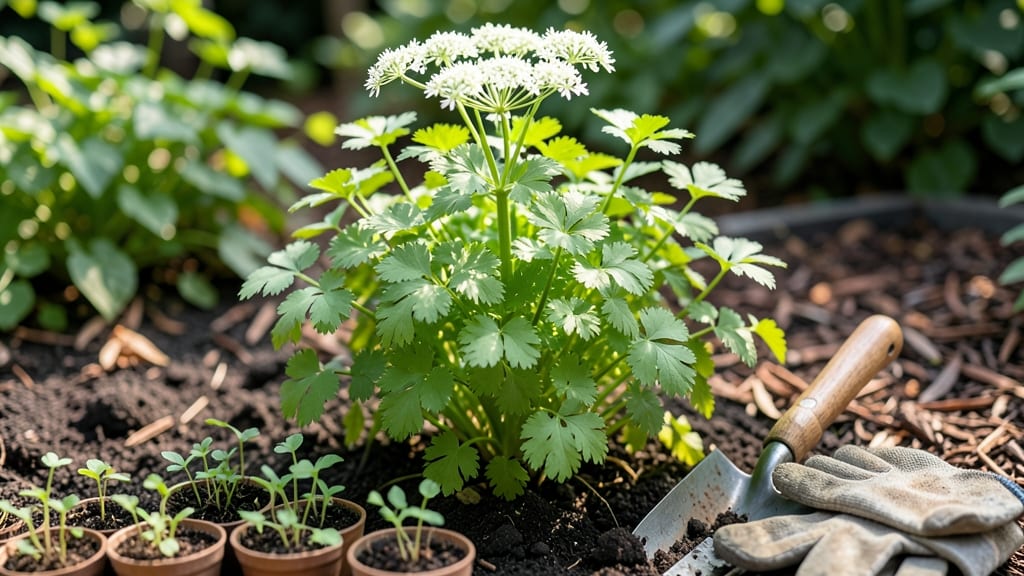
If you’ve ever planted cilantro in Oregon only to watch it bolt into bitter seeds by summer, you’re not alone. The key to success lies in timing—especially in USDA zones 7b-9a, where coastal fog meets inland heat waves.
Plant too early, and frost zaps your crop; too late, and the heat sends your cilantro running to flower before you can harvest a single leaf.
But here’s the good news: with the right schedule—early spring (March-April) and late summer (August-October)—you can enjoy fresh 🌿 cilantro from May through November. I’ll break down the exact weeks before frost to plant, plus heat-tolerant varieties that won’t give up the ghost when temperatures climb.
No more wasted seeds or sad, bolting plants.
Whether you’re in the Willamette Valley’s mild climate or the high desert’s dramatic swings, these strategies will keep your cilantro thriving. You’ll learn how to stretch your harvest season, avoid common pitfalls, and even cheat the heat with simple tricks. Let’s get your garden growing the right way.
Ready to stop guessing and start harvesting? The secret starts with planting at the perfect moment—and I’ve got the Oregon-specific timeline you need to succeed.
Best planting windows for cilantro in Oregon by microclimate
Oregon’s diverse climate—from the cool coastal fog of the Pacific Northwest to the hot inland valleys—means cilantro planting times vary dramatically.
To avoid bolting in summer or freezing in winter, I’ve broken down the ideal weeks before last frost for three key regions: coastal, Willamette Valley, and high-desert areas.
Coastal Oregon gardeners (think Astoria or Cannon Beach) have a longer growing window thanks to milder temperatures. Inland areas like the Willamette Valley experience warmer summers, while high-desert zones (like Bend or La Pine) face earlier frosts. Let’s dive into the exact timing for each microclimate.
| Region | Last Frost Date | Best Planting Window | Staggered Planting Tip |
|---|---|---|---|
| Coastal (e.g., Astoria, Cannon Beach) | April 30 | February 15 – April 15 (spring) / August 15 – September 30 (fall) | Plant every 2 weeks for continuous harvest |
| Willamette Valley (e.g., Portland, Salem) | April 15 | March 1 – April 1 (spring) / August 1 – September 15 (fall) | Use shade cloth in summer plantings |
| High Desert (e.g., Bend, La Pine) | April 1 | March 1 – March 15 (spring) / July 15 – August 15 (fall) | Prioritize fall plantings for longest harvest |
For spring plantings, aim to sow seeds 6-8 weeks before your region’s last frost date. In coastal Oregon, this means starting as early as mid-February, while inland areas should wait until early March.
The key is to give cilantro time to mature before summer heat triggers bolting.
If you’re growing cilantro for late-summer or fall harvests, plant seeds 8-10 weeks before the first frost. This translates to mid-August for coastal areas and early August for inland zones. Fall plantings often yield the most robust cilantro because cooler temperatures slow bolting.
One trick I swear by? Staggered plantings. Instead of sowing all your seeds at once, space them out every 2-3 weeks during the optimal window. This ensures a continuous harvest and reduces the risk of bolting from heat stress on a single batch.
For coastal gardeners, consider extending your harvest into early summer by using row covers or light shade cloth (30-50% shade). This buys you extra weeks before the heat becomes too intense. Inland growers should focus on fall plantings and avoid summer sowing unless you’re committed to shade solutions.
Pro tip: Check your local USDA Plant Hardiness Zone (Oregon ranges from 7b to 9a) and adjust planting dates by 1-2 weeks if you’re in a warmer microclimate. For example, Medford’s Zone 8a can handle slightly later spring plantings than Portland’s Zone 8b.
Finally, don’t forget that cilantro is a cool-season crop. It thrives when soil temperatures stay below 75°F (24°C). If your summer heat exceeds this, even for a few days, your cilantro will bolt faster than you can say “pesto.” Plan accordingly!
By following these regional guidelines, you’ll enjoy fresh cilantro from spring through fall—no more last-minute grocery store runs or wilted herb sprigs. Happy planting! 🌱
Best planting windows for cilantro in Oregon by microclimate
Oregon’s diverse climate means your cilantro planting schedule depends heavily on whether you’re in the coastal fog belt, the Willamette Valley, or the high desert. Each region has different last frost dates and heat patterns, so let’s break down the ideal windows for maximum harvest success.
For coastal areas (like Portland or Astoria), cilantro thrives when planted 4-6 weeks before your last frost, typically between mid-February and early April. The cooler temperatures and morning fog create perfect conditions for slow, steady growth without bolting.
In the Willamette Valley (Eugene, Salem, Corvallis), aim to plant 3-5 weeks before last frost, usually late March to early May. This region’s milder springs allow for a slightly later start, but watch for sudden heat spikes that can trigger bolting.
| Region | Last Frost Date | Best Planting Window | Harvest Window |
|---|---|---|---|
| Coastal (Astoria, Cannon Beach) | March 15-April 1 | Mid-February to early April | May-June |
| Willamette Valley (Portland, Salem) | April 15-May 1 | Late March to early May | June-July |
| High Desert (Bend, Redmond) | May 15-June 1 | Late April to early June | July-August |
In high-desert areas (Bend, La Pine), cilantro loves the cooler nights but needs to be planted 6-8 weeks before last frost, around late April to early June. The dry heat can be tricky, so focus on consistent moisture and shade cloth during peak summer.
For a continuous harvest, try staggered plantings every 2-3 weeks from your region’s earliest window. This ensures fresh cilantro from spring through fall, even if the first batch bolts early.
Always check your local frost dates using the Oregon State University Extension Service or Almanac—they’re your best guide for cilantro success in Oregon’s ever-changing weather.