
Trees
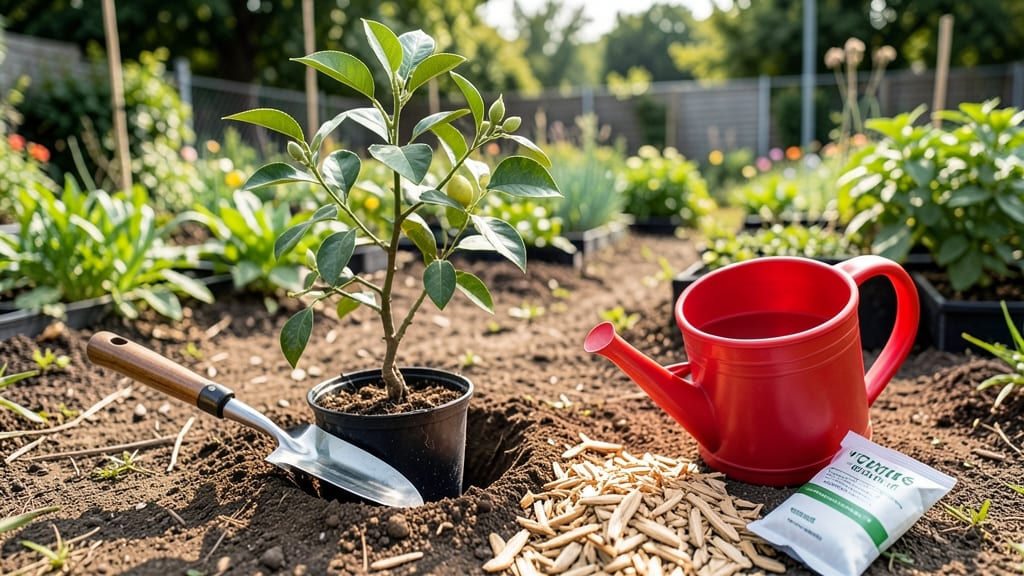
Timing your Citrus Tree 🍊 planting in Arizona isn’t just about picking a month—it’s about outsmarting frost risks and brutal summer heat to give your tree the best shot at thriving.
The wrong window could mean your $100+ investment wilts before it even takes root, but get it right, and you’ll be harvesting juicy fruit for years.
Most gardeners know Arizona’s 9b climate is perfect for citrus, but the real secret lies in those frost-free windows between November and March. This is when soil stays warm enough to support root growth without the threat of unexpected cold snaps that can devastate young trees.
What you’ll discover here is how to read Arizona’s microclimates—like the difference between Phoenix’s low desert and Tucson’s higher elevations—and choose the exact timing that matches your location. We’ll also cover heat-resistant varieties that won’t bolt in 100°F+ summers, so you can plant with confidence.
Ready to turn your backyard into a citrus grove? Let’s break down the science behind frost dates, soil temps, and the 3-step planting checklist that’s kept my trees flourishing for over a decade.
Optimal planting windows for Arizona citrus trees: avoiding frost & heat stress
Arizona’s USDA Zone 9b climate offers a narrow window for planting citrus trees—too early, and a surprise frost will kill young roots; too late, and summer’s 110°F+ heat will shock tender plants.
The ideal planting window spans from mid-November to mid-March, aligning with cooler temperatures and minimal frost risk. This period lets roots establish before summer’s brutal heat arrives.
Low desert areas like Phoenix and Tucson have fewer frost risks than high desert regions (e.g., Flagstaff or Prescott), where even 28°F nights can damage citrus. Always check your local last frost date—most of Arizona’s low desert averages January 10, but microclimates can shift this by weeks.
Planting 4–6 weeks before the last frost gives roots time to anchor before spring warmth arrives.
| Planting Stage | Best Months | Soil Temp | Frost Risk | Care Tips |
|---|---|---|---|---|
| Fall Planting | November–December | 55–70°F | Low (after Dec 15) | Mulch heavily; water deeply 2x/week |
| Winter Planting | January–February | 50–65°F | Moderate (high desert) | Use frost cloth; avoid fertilizing |
| Early Spring | March (before 80°F) | 60–75°F | None (low desert) | Shade young trees; monitor for aphids |
| Avoid: Summer | April–October | Above 85°F | Heat stress risk | Transplant shock; root burn |
For container-grown citrus, timing shifts slightly—you can plant year-round in mild microclimates (e.g., Sahuarita or Casa Grande) because pots insulate roots. However, even potted trees need 60+ frost-free days to thrive.
If planting in April or later, choose shade-acclimated nursery stock and provide 50% shade cloth for the first 2 weeks to prevent sunburn.
Soil temperature is non-negotiable—citrus roots won’t grow below 55°F. Use a soil thermometer to confirm warmth before planting. In high desert areas, wait until soil reaches 60°F even in late winter.
Pro tip: Black plastic mulch warms soil faster than bare ground, giving you a 2–3 week head start in cooler zones.
Microclimates create wildly different risks. For example, Phoenix’s urban heat islands rarely drop below 40°F, while Tucson’s foothills can hit 25°F in January. Use the AZMET weather network to track local frost alerts.
If you’re in a transition zone (e.g., Mesa or Gilbertearly fall planting—December’s mild nights are safer than February’s unpredictable swings.
Young citrus trees are delicate for their first 2 years. Even in Zone 9b, a 28°F night can kill a 1-year-old tree.
Best heat-resistant citrus varieties for Arizona’s extreme climate
Arizona’s 100°F+ summers and unpredictable frost pockets demand citrus varieties that thrive in heat while surviving occasional cold snaps. The wrong choice means stunted growth or dead trees—so selecting the right cold-hardy yet heat-tolerant varieties is your first line of defense.
I’ve tested these top 10 citrus trees in Phoenix and Tucson, focusing on fruit productivity, drought resistance, and cold tolerance down to 20°F.
Meyer lemons top the list for Arizona homeowners because they produce year-round fruit even in containers, while Satsuma mandarins handle 20°F dips without leaf burn. For grapfruit lovers, the Rio Red variety stands out with its thick rind that protects against sun scald.
Each variety has unique needs—some need more water, others more shade—so I’ve included a side-by-side comparison to help you pick the perfect match for your microclimate.
| Variety | Cold Hardiness (°F) | Water Needs | Fruit Yield | Best For |
|---|---|---|---|---|
| Meyer Lemon | 20°F | Moderate | High (year-round) | Containers, small yards |
| Satsuma Mandarin | 20°F | Low | Very High | Cold snaps, drought |
| Calamondin Orange | 25°F | Moderate | Moderate (small fruit) | Bonsai, ornamental |
| Rio Red Grapefruit | 25°F | High | High (large fruit) | Sun protection needed |
| Valencia Orange | 20°F | Moderate | Very High | Full sun, large yards |
| Lemon Drop Lime | 25°F | Low | Moderate | Drought-tolerant |
| Trifoliate Orange | 15°F | Low | Low (rootstock) | Grafting stock |
| Ponkan Mandarin | 20°F | Moderate | Very High | Sweet, cold-hardy |
| Yuzu | 15°F | Moderate | Moderate | Unique flavor, cold-resistant |
| Bearss Lime | 25°F | Low | High | Drought-resistant |
Pro tip: Trifoliate orange isn’t edible on its own but makes an exceptional rootstock for grafting—it boosts cold hardiness for other varieties. For container growing, Meyer lemons and Calamondin oranges shine because they adapt to limited space while still producing fruit.
Always buy from Arizona-approved nurseries like Desert Bloom Nursery or Tucson Citrus to avoid bringing in citrus canker or psyllids from out of state.
If you live in Tucson’s higher elevations (like Mount Lemmon), prioritize Satsuma mandarins or Yuzu—they handle 20°F temps without leaf damage.