
Trees
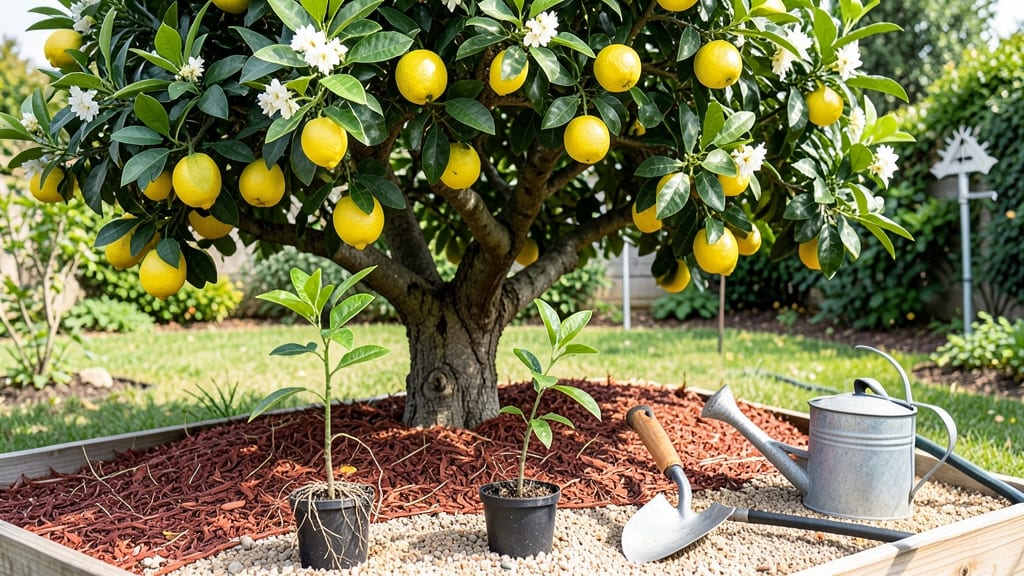
If you’ve ever wondered when is the best time to plant citrus trees in Florida—despite the year-round sunshine—you’re not alone. The truth is, even Florida’s frost-free climate has hidden timing traps that can turn your citrus dream into a disappointing shrub.
Planting at the wrong time might mean stunted growth, disease susceptibility, or even death, no matter how hardy your variety is.
Here’s the secret: the best time to plant citrus trees in Florida isn’t just about avoiding cold snaps (though rare frosts in North Florida can still sneak up).
It’s about matching your tree’s needs to Florida’s 11 heat zones and microclimates—where a grapefruit in Zone 8a needs extra care, while a tough orange in Zone 10 can handle almost any month. Let’s break down the optimal windows and why they matter.
You’ll discover how to spot the perfect 6-week window for planting—whether you’re in Miami’s humid heat or Orlando’s slightly cooler stretches. We’ll also cover the hardiest citrus varieties that forgive late plantings and the telltale signs your timing is off (yellowing leaves, anyone?).
By the end, you’ll know exactly when to dig in for trees that grow strong, bear fruit, and outlast Florida’s quirks.
Ready to turn your citrus tree into a thriving, year-round fruit machine? Let’s get started.
Florida heat zones and ideal planting windows by month
Florida’s 11 USDA heat zones (8a–11) create microclimates where citrus trees thrive year-round—but timing still matters. The ideal planting window spans February to April and October to November, aligning with Florida’s mildest temperatures and avoiding heat stress or rare frosts in North Florida.
Even in frost-free zones like Miami, late summer planting risks hurricane damage or root shock from extreme humidity.
For North Florida (Zones 8a–9a), like Jacksonville or Gainesville, March is critical—planting before late March risks light frosts (avg. 28°F in Zone 8a), while April avoids frost entirely.
In Central Florida (Zones 9b–10a), February to April is perfect, but October planting lets roots establish before summer rains. South Florida (Zones 10b–11) can plant year-round, but June–August is riskier due to hurricane season and fungal diseases from excessive humidity.
| Zone | Best Planting Months | Avoid Planting | Key Consideration |
|---|---|---|---|
| 8a (North FL) | March–April | January–February (frost risk) | Use frost cloth for young trees |
| 9a–9b (Central FL) | February–April, October | July–August (hurricane season) | Choose dwarf varieties for wind resistance |
| 10a–10b (South FL) | Year-round (best Feb–Apr, Oct–Nov) | June–September (excessive rain) | Raise beds to improve drainage |
| 11 (Miami/Dade) | Any month (avoid peak summer) | None (but July–Aug is riskier) | Use container growing for portability |
In North Florida’s Zone 8a, where light frosts can still occur, Murcott tangors and ‘Hamlin’ oranges are hardier choices.
Plant 6 weeks before the last frost date (usually mid-March) to give roots time to establish. South Florida’s Zone 11 allows year-round planting, but avoid June–August unless using container growing to move trees indoors during storms.
For container-grown citrus, timing shifts slightly: spring or fall planting lets roots adapt to pots before summer heat stress.
Use well-draining mix (60% potting soil, 30% perlite, 10% compost) and 10–15% larger pots yearly. Dwarf varieties like ‘Calamondin’ or ‘Meyer lemon adapt better to containers than standard trees.
Nursery-grown trees thrive when planted bare-root in winter (December–February), but Florida’s humid climate means containerized trees (with soil balls) are safer.
If buying bare-root stock, soak roots for 2–4 hours before planting to reduce transplant shock. Mulch heavily (3–4 inches of pine bark) to retain moisture and regulate soil temp.
Watch for citrus greening disease (HLB), which thrives in warm, humid conditions. Plant resistant varieties like ‘Swingle’ citrumelo rootstock and avoid overwatering—soggy soil worsens fungal risks. Drip irrigation (1–2 inches/week) keeps leaves dry, reducing spread of pathogens.
Pro tip: Test soil pH (ideal: 6.0–7.0sandy soils often need organic matter (compost or peat moss) to improve water retention. Amend with gypsum if soil is clay-heavy to prevent root rot.
🌱
Signs your planting timing is wrong (and how to fix it)
Planting citrus trees in Florida at the wrong time can lead to visible stress—like yellowing leaves, stunted growth, or even fungal infections. If your tree shows these red flags within weeks of planting, it’s likely a timing issue.
For example, planting in North Florida’s Zone 8a during January risks frost damage, while planting in South Florida’s Zone 11 in July exposes roots to extreme heat stress.
One of the most common mistakes is planting too early in North Florida (before February 15). Cold-sensitive varieties like grapefruit or lemon trees may suffer leaf burn or dieback if exposed to temperatures below 30°F.
Even hardier orange trees can struggle if planted before the soil warms to 60°F.
Planting Too Early: Frost risk (North FL), poor root establishment in cold soil, fungal diseases from damp conditions.
Planting Too Late: Heat stress (South FL summers), limited root growth before monsoon season, pests like aphids thriving in warm soil.
Fix: Adjust planting to February-April (best window) or October-November (second choice). For container-grown trees, plant anytime but acclimate for 2 weeks before extreme temps.
Another warning sign is slow growth or drooping leaves after planting. This often happens when trees are planted in waterlogged soil or during Florida’s monsoon season (June-August). Citrus trees need well-draining soil—if your yard has heavy clay, amend it with compost or sand before planting.
If you’ve already planted, create a raised bed or mound to improve drainage.
For container-grown citrus trees, timing matters too. Planting in late summer (August-September) without proper shade acclimation can cause sunburn on leaves. Move containers to a partially shaded area for 1-2 weeks before full sun exposure.
If you notice white or brown patches on leaves, it’s a sign of heat stress—water deeply and provide afternoon shade.
Even in frost-free South Florida (Zones 10-11), planting in peak summer (June-July) can stress young trees. The intense heat and high humidity create perfect conditions for root rot and citrus canker.
To fix this, plant in early fall (September-October) when temperatures are milder, or use drip irrigation to keep roots consistently moist without overwatering.
If your tree shows yellow leaves with green veins, it’s likely iron deficiency—common when planting in alkaline soil (pH >7.0). Florida’s soil is often sandy and nutrient-poor, so test your soil before planting.
Add chelated iron or sulfur to lower pH if needed. For existing trees, apply Epsom salt (magnesium sulfate) every 3 months to prevent deficiencies.
Finally, if your citrus tree drops fruit prematurely or has small, misshapen fruit, it may have been planted at the wrong time relative to blooming cycles. Florida’s citrus trees bloom in spring and fall—planting in late winter (January-February) aligns with natural growth patterns.
If you planted in summer, the tree may struggle to set fruit due to heat stress.