
Plants
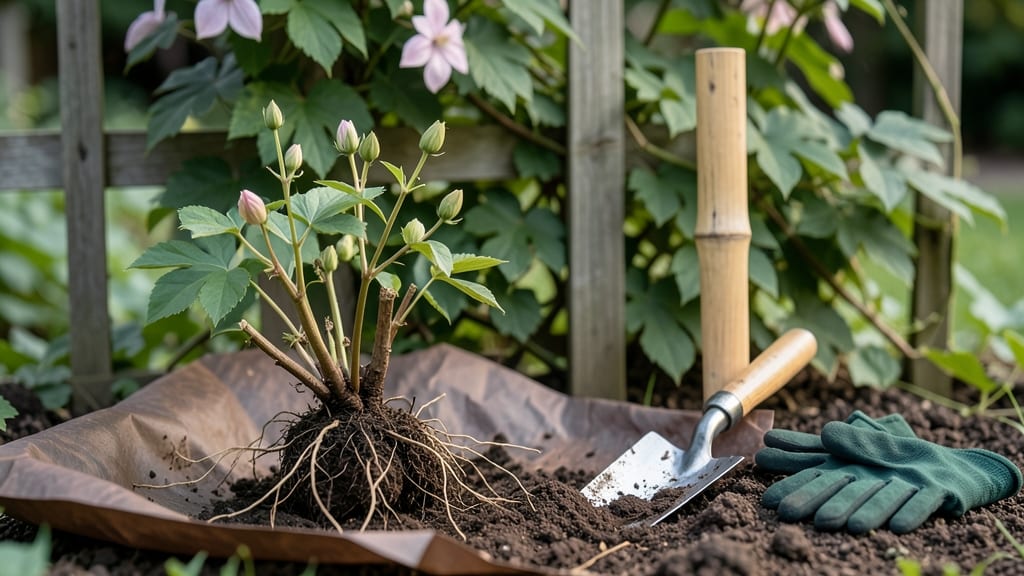
If you're wondering when to plant clematis in Ohio, timing is the secret weapon between a vibrant, blooming vine and a struggling 🌸 that barely makes it through winter.
Ohio’s unique climate—with its unpredictable frost dates and USDA Zones 5-6—means getting this right isn’t just about the calendar; it’s about giving your clematis the best possible start.
Most gardeners in Ohio swear by two key windows: early to mid-spring (after that last frost around mid-April) or early fall (about 4-6 weeks before the first frost, usually by October 15).
But here’s the catch: planting too early in spring can expose young roots to cold snaps, while fall planting gives vines time to establish before winter sets in. I’ll break down which option works best for your Ohio garden—and why some varieties handle one season better than the other.
Beyond the calendar, Ohio’s soil and microclimates play a huge role. Heavy clay in some areas can suffocate roots, while others might need extra organic matter to hold moisture.
We’ll cover how to prep your soil like a pro, plus the top clematis varieties that actually thrive in Ohio’s humidity and temperature swings. No more guessing—just proven strategies for a clematis that blooms like crazy year after year.
Ready to transform your garden? Let’s dive into the exact steps to plant your clematis at the perfect time, avoid common mistakes, and set it up for success—so you can enjoy those stunning flowers from season one. Your Ohio garden (and your clematis) will thank you!
Best planting months for clematis in Ohio’s USDA Zones 5-6
Ohio’s USDA Zones 5-6 offer two ideal windows for planting clematis: early spring and early fall. Each timing has unique benefits, but both align with Ohio’s last frost (mid-April) and first frost (late October).
Let’s break down the best months and why they matter for your clematis vines to thrive.
For spring planting, aim for late April to early May—just after the soil warms to 50°F (10°C) and frost risk fades.
This gives roots time to establish before summer heat. Fall planting, however, is equally effective if done 4-6 weeks before first frost, ideally in September or early October. Fall-planted clematis benefits from cooler temps and winter moisture.
Here’s the key difference: Bare-root clematis (often sold in winter/spring) should go in spring, while container-grown plants (available year-round) can handle fall planting. Ohio’s humidity and clay-heavy soils also play a role—fall planting helps avoid summer stress.
Pro Tip: If you miss spring, don’t wait until late fall. Planting too close to frost can stunt root growth, leaving your clematis vulnerable to winter damage. Check Ohio State University Extension’s frost date maps for your exact location.
| Planting Time | Best Months | Ohio-Specific Notes | Plant Type |
|---|---|---|---|
| Early Spring | Late April–Early May | After last frost; soil at 50°F+ | Bare-root |
| Fall | September–Early October | 4-6 weeks before first frost | Container-grown |
| Late Fall | November (Risky) | Limited root growth; frost damage risk | Avoid |
Ohio’s clay-heavy soils can delay spring planting if the ground stays soggy. Test your soil’s drainage by digging a 12-inch hole—if water pools after 6 hours, amend with compost or sand before planting.
For container-grown clematis, gently remove the plant from its pot and trim any circling roots to encourage outward growth.
If you’re planting in fall, focus on mulching after planting. Use 3-4 inches of mulch (like shredded bark) to insulate roots over winter. Avoid organic mulches like leaves, which can compact and suffocate roots. In spring, remove old mulch and replace it with fresh to prevent disease.
One common mistake in Ohio is planting clematis too deep. The crown (where stems meet roots) should sit 4-6 inches below soil level. This protects it from freezing in winter but keeps the top growth exposed for spring regrowth.
Use a support trellis or arbor before planting—clematis vines grow fast, and attaching them later can damage stems.
For container gardening in Ohio, plant clematis in large pots (15+ gallons) with drainage holes. Use a lightweight potting mix blended with perlite or vermiculite to mimic Ohio’s well-draining soils. Containers warm up faster in spring, so start 2-3 weeks earlier than in-ground planting.
Lastly, Ohio’s humidity can encourage fungal diseases like powdery mildew. Choose resistant varieties (like ‘Jackmanii’ or ‘Nelly Moser’) and space plants 3-5 feet apart for airflow. Water at the base of the plant in the morning to reduce moisture on leaves.
With the right timing and Ohio-specific adjustments, your clematis will reward you with vibrant blooms from early summer to fall. Now that you’ve got the perfect window, let’s dive into soil prep to set your clematis up for success! 🌸
Best planting months for clematis in Ohio’s USDA Zones 5-6
Ohio’s USDA Zones 5-6 offer two ideal windows for planting clematis: early spring and early fall. Both timings help clematis establish roots before extreme weather, but the best choice depends on whether you’re planting bare-root or container-grown vines.
Spring planting is best for container-grown plants, while fall suits bare-root varieties. Let’s break down the science-backed timing to avoid common mistakes like root shock or winter damage.
For spring planting, aim for mid-April to early May, right after Ohio’s average last frost date (April 15). This gives clematis 6-8 weeks to root before summer heat sets in.
If you’re using container-grown plants, you can even plant as late as May 15, but avoid planting after June 1—this risks stressing the plant before winter dormancy. For bare-root clematis, spring planting is trickier; opt for fall instead to reduce transplant shock.
| Plant Type | Best Months | Why It Works | Ohio-Specific Tip |
|---|---|---|---|
| Bare-Root | September–October | Cooler soil temps reduce shock; roots establish before frost. | Plant 4-6 weeks before first frost (target: early October). |
| Container-Grown | April–May | Established roots handle summer heat better; avoids transplant stress. | Wait until soil warms to 50°F+ (test with a thermometer). |
| Bare-Root (Spring) | Late April–Early May | Soaking roots before planting reduces shock, but growth is slower. | Soak roots in lukewarm water for 2-4 hours before planting. |
Fall planting (late September to early October) is my top recommendation for Ohio gardeners. The 4-6 week window before first frost (target: October 15) allows clematis roots to establish without competing with summer heat. For bare-root plants, fall is ideal because the soil stays cool, reducing stress. If you miss this window, wait until next spring—planting in late fall risks frost damage to tender roots.
One critical mistake Ohio gardeners make is planting too early in spring (before April 15) or too late in fall (after November 1). Early spring planting can expose roots to frost heave (soil freezing and thawing that uproots plants), while late fall planting leaves insufficient time for root establishment.
Always check your local frost dates—use the Old Farmer’s Almanac or Ohio State University Extension for precise forecasts.
Pro tip: If you’re planting in containers, extend your spring window to June 1—just ensure the pot has drainage holes and you’re using well-draining soil. Container-grown clematis also benefits from a slow-release fertilizer at planting time to kickstart growth.
For in-ground planting, add compost or aged manure to the hole to improve soil structure, especially if your Ohio soil is clay-heavy.
Finally, don’t overlook support structures. Install a trellis, arbor, or obelisk at planting time—clematis vines grow 6-12 inches per week in ideal conditions, and retrofitting support later can damage roots.
Choose a location with 6+ hours of sunlight (morning sun + afternoon shade works best in Ohio’s humid summers) and protection from strong winds, which can snap young vines.