
Plants
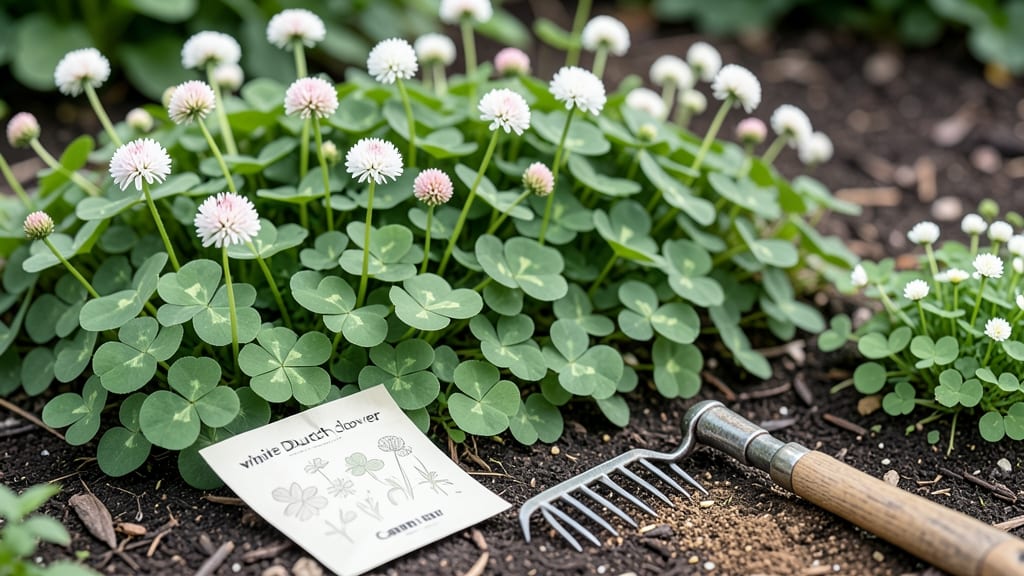
Timing your clover planting in Maryland can mean the difference between a vibrant, thriving patch and a sad, stunted lawn—or worse, a complete washout from late frosts. Maryland’s 7a-7b zones bring warm springs and chilly falls, so knowing exactly when to drop those seeds is the key to success.
Most gardeners swear by early spring (March-April) or fall (September-October) planting, but Maryland’s unpredictable weather throws a wrench into the plan. Too early, and frost will nip your 🌱 clover seedlings in the bud. Too late, and you’ll miss the sweet spot for root establishment before winter sets in.
Whether you’re planting clover as a cover crop, a natural lawn additive, or just for its pretty blooms, getting the timing right is everything.
I’ll walk you through Maryland’s frost-free deadlines, soil prep tips, and even how to adapt for your specific corner of the state—because what works in Baltimore won’t always work in Western Maryland.
Ready to grow lush, hardy clover that survives Maryland’s quirks? Let’s dive into the exact planting windows, microclimate adjustments, and pro tricks to make your clover thrive all season long.
Maryland’s best planting windows for clover by month (with frost risk zones)
Timing your clover planting in Maryland hinges on avoiding frost while ensuring soil temperatures hit the 40-75°F sweet spot for germination. The last average frost date in most of Maryland falls around April 15, but microclimates—especially in Western Maryland—can push this back by 2-3 weeks.
For fall planting, aim for September-October, giving seeds time to establish before the first frost (Nov 15).
Clover thrives in Maryland’s USDA zones 5b-8a, but Zone 5b gardeners in Western Maryland face longer frost risks. Baltimore’s urban heat islands may experience earlier soil warming, while Piedmont regions often have cooler nights.
Adjust your planting window by 1-2 weeks based on your specific microclimate—check local frost-free date maps for precision.
Spring planting is ideal for lawn clover mixes and hay production, while fall planting works best for cover crops or winter-hardy varieties. In Maryland, red clover and white clover are popular choices, with red clover preferring slightly warmer soils (60-75°F) and white clover tolerating cooler 50-65°F ranges.
🌱 Maryland Clover Planting Timeline by Month
| Month | Planting Window | Soil Temp | Frost Risk | Best For |
|---|---|---|---|---|
| February | Late month (Zone 7b+) | 45-55°F | High (avoid) | Cover crops only |
| March | Mid-late (after last frost) | 50-65°F | Moderate | Lawn mixes, hay |
| April | Early-mid (ideal) | 60-75°F | Low | All varieties |
| May | Late (overseeding) | 65-80°F | None | Thin lawns |
| September | Early-mid (fall) | 60-70°F | Low | Cover crops |
| October | Early (last chance) | 50-60°F | Moderate | Winter hardy types |
✅ Pro Tip: Test soil temps with a soil thermometer—clover seeds won’t sprout below 40°F, even if frost isn’t imminent.
For spring planting, prepare your soil in February by tilling in compost and phosphorus-rich fertilizer (5-10-10).
In Western Maryland, wait until late April to avoid late frosts, while Baltimore gardeners can start as early as mid-March in sheltered microclimates. Fall planting requires 4-6 weeks before the first frost—aim for September 1-15 in most regions, or late September in Zone 5b areas.
If you’re overseeding an existing lawn, late summer (August) is your best bet—clover thrives in cooler weather and can outcompete weeds before winter.
For hay production, prioritize spring planting to maximize growth before the first cut. Red clover matures faster (60-90 days) than white clover (90-120 days), so adjust your harvest timeline accordingly.
Maryland’s clay-heavy soils in Prince George’s County benefit from gypsum amendments before planting to improve drainage. In sandy soils (common in Western Maryland), mix in organic matter to retain moisture. Always water deeply after planting to encourage root establishment, especially in full sun conditions where evaporation is higher.
One common mistake is planting too late in spring—by June, clover may struggle to establish before summer heat sets in. Similarly, fall planting after October
How Maryland’s microclimates affect clover planting timing (and how to adapt)
Maryland’s geography creates distinct microclimates that can shift your clover planting timeline by weeks. Urban areas like Baltimore experience heat islands, while Western Maryland’s Appalachian foothills stay cooler longer. Even a 5-mile difference can mean frost-free conditions arriving 10 days earlier in one zone than another.
Understanding these variations helps you adjust planting dates and soil prep. For example, clover in Annapolis may need planting by March 20, while Hagerstown gardeners can wait until April 5 without frost risk. The key is matching your local last frost date with soil temperatures above 40°F for germination.
| Region | Key Microclimate Factor | Adjust Planting By | Soil Prep Tip |
|---|---|---|---|
| Baltimore/Urban Areas | Heat islands (5-10°F warmer) | Plant 7-10 days earlier | Use shade cloth for seedlings |
| Piedmont (Frederick) | Cooler nights (drop 15°F after sunset) | Wait 5-7 days longer | Add mulch for warmth |
| Western MD (Hagerstown) | Extended frost risk | Plant after April 15 | Use row covers |
| Eastern Shore | Saltwater influence | Plant 3-5 days earlier | Test soil salinity |
For fall planting, these microclimates work in reverse. Urban areas may need to plant by September 15 to avoid early frosts, while Western Maryland can extend until October 1. Always check your local USDA zone map—Maryland spans zones 5b to 8a, creating these regional differences.
If you’re unsure about your microclimate, use a soil thermometer to confirm temperatures. Clover seeds need 40-75°F soil to germinate properly. In cooler zones, consider winter cover crops like winter rye planted in late fall to protect soil until spring clover planting.
Pro tip: Overseeding existing lawns works best in late summer (August) when temperatures drop slightly. This avoids heat stress on young clover plants while giving them a 6-8 week head start before winter.
Remember, clover thrives in cool seasons—spring and fall are ideal. Summer planting risks heat stress, while winter planting risks frost damage. Adapt your timing to your local microclimate for the best results! 🌱