
Plants
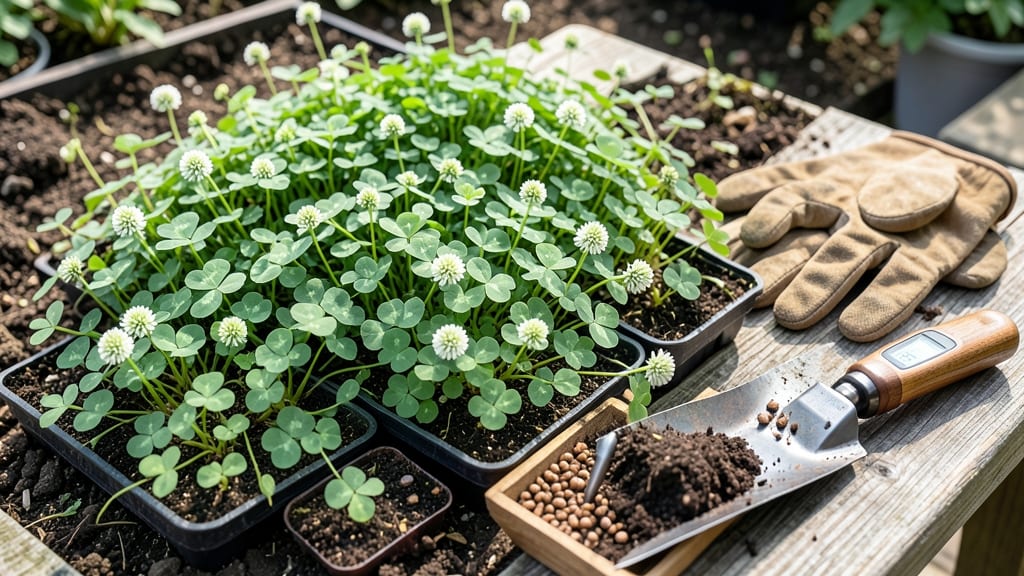
If you’ve ever struggled with poor soil in your Massachusetts garden, planting clover at the right time could be your game-changer. This hardy 🌱 isn’t just a pretty ground cover—it’s a nitrogen factory that improves your soil naturally, but timing matters more than you might think.
Whether you’re in USDA Zone 5b or 7a, the difference between spring and fall planting can mean the success or failure of your clover patch. Too early, and frost will stall growth; too late, and summer heat will dry out your seeds before they take root.
I’ve tested both seasons in my own backyard, and what I’ve learned will help you avoid common mistakes. From prepping your soil to choosing the best varieties for New England’s climate, here’s exactly when and how to plant clover for the strongest, most resilient growth.
Ready to transform your garden’s health? Let’s dive into the best planting windows—spring or fall—and why one might work better for your specific corner of Massachusetts.
Optimal Massachusetts clover planting seasons: spring vs fall breakdown
Choosing the right time to plant clover in Massachusetts depends on balancing soil temperatures, frost risks, and local microclimates. The USDA zones 5b-7a in MA offer two prime windows: early spring and early fall.
Each season has unique advantages, but timing can make or break your clover’s success.
For spring planting, aim for March to early April—after the last frost date (typically April 15 in most regions). This gives seedlings time to establish before summer heat. Fall planting, however, often yields stronger roots because cooler temps reduce weed competition and stress.
Here’s how the two seasons stack up for Massachusetts clover growth, including soil prep, frost risks, and ideal varieties:
| Factor | Spring Planting (March-April) | Fall Planting (August-September) |
|---|---|---|
| Best Time | After last frost (April 15) | 6-8 weeks before first frost (early Sept) |
| Soil Temperature | 45-55°F (warm enough for germination) | 60-70°F (cooler roots establish better) |
| Frost Risk | Low (post-frost) | Moderate (established roots survive light frost) |
| Weed Competition | High (spring weeds emerge early) | Low (weeds dormant in fall) |
| Ideal Varieties | Dutch White (fast germination) | Red Clover (hardier for fall) |
| Establishment Time | 6-8 weeks (summer heat stress risk) | 4-6 weeks (cooler temps speed growth) |
Spring planting works best for fast nitrogen boosts in vegetable gardens, while fall planting builds long-term soil health with deeper roots. For coastal MA regions (like Cape Cod), extend spring planting to mid-April—cooler ocean breezes delay frost risks.
If you’re in western MA (zone 5b), prioritize fall planting—shorter growing seasons mean spring clover may struggle before summer heat. Test your soil pH (6.0-7.0 ideal) before planting, as acidic soils slow clover growth.
Pro tip: Mix clover seeds with compost before planting to improve soil structure. This is especially critical in heavy clay soils common in central MA, where drainage can stall root growth.
For container gardening, plant clover in late May—small pots warm up faster than ground soil, giving seeds a head start. Just ensure pots have drainage holes to prevent root rot.
Remember: Clover thrives in full sun to partial shade, but morning sunlight is ideal to reduce water stress. Mulch with straw or leaves after planting to retain moisture during MA’s unpredictable spring rains.
🌱
Optimal Massachusetts clover planting seasons: spring vs fall breakdown
Massachusetts gardeners face a critical decision when planting clover: spring or fall? The answer depends on your USDA Zone 5b-7a location and climate goals. Both seasons offer advantages, but timing directly impacts root establishment and nitrogen-fixing success. Let’s break down the best windows for your MA garden.
Spring planting (March-April) gives clover a head start before summer heat, while fall planting (August-September) leverages cooler temps and fewer weeds. For coastal areas like Cape Cod, spring may be safer due to milder winters, while inland zones like Pittsfield benefit from fall’s extended growing window before frost.
🌱 Key factor: Avoid planting in late summer (July-August) when soil temperatures exceed 80°F, which stresses seeds. Instead, aim for 50-70°F soil temps—ideal for germination.
| Season | Best Months | Soil Temp | Weed Competition | Establishment Time |
|---|---|---|---|---|
| Spring | March-April | 50-70°F | Moderate | 6-8 weeks |
| Fall | August-September | 60-75°F | Low | 4-6 weeks |
Fall planting often wins in Massachusetts because cooler temps reduce weed pressure, and clover establishes roots before winter. However, spring planting works well if you’re correcting bare spots or preparing soil for summer planting. Test your soil pH (6.0-7.0 ideal) before planting—clover struggles in acidic conditions.
For coastal MA, extend spring planting to mid-April to avoid salt spray damage. Inland areas should finish by late September to ensure roots harden before frost. Always check your local USDA frost dates—last frost in Boston averages April 15, while western MA sees it April 22.
Pro tip: Mix clover seeds with compost to improve soil contact and germination rates. This is especially helpful in heavy clay soils common in eastern MA. 🌿