
Plants
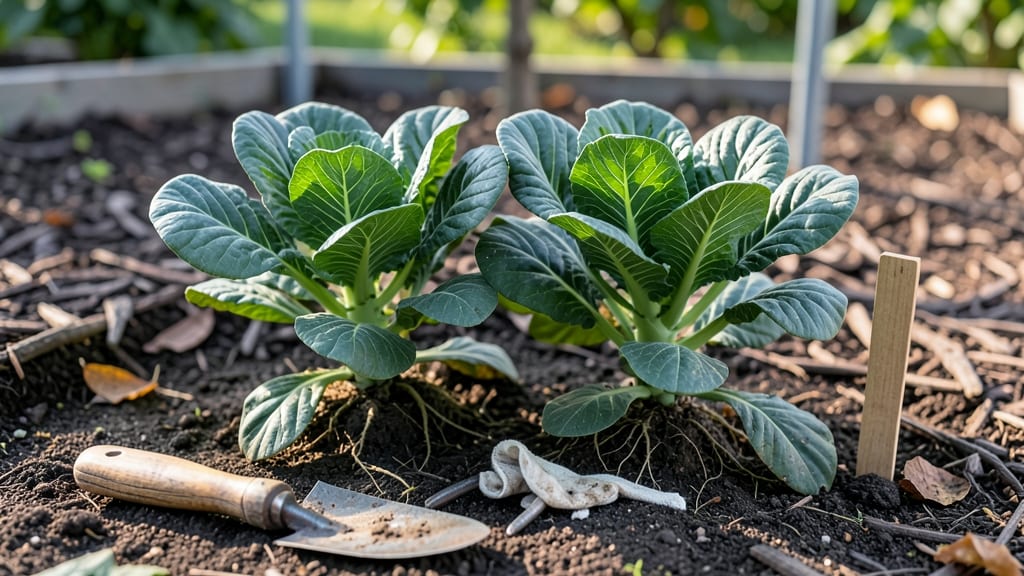
Knowing when to plant collard greens in SC can mean the difference between a bountiful harvest and disappointing, bitter-tasting leaves. These cold-hardy greens 🥬 love South Carolina’s mild winters, but timing is critical—plant too early, and you risk frost damage; too late, and summer heat makes them bolt.
The secret lies in two perfect windows: late winter and early fall.
For USDA Zone 8a gardens like yours, the ideal planting dates are late February to early March for spring harvests and August to early September for fall crops. This schedule aligns with soil temperatures and frost risks, ensuring your collards thrive when they’re most vulnerable.
Whether you’re a seasoned gardener or just starting, getting these dates right will give you tender, flavorful greens from April through November.
What makes collard greens so special is their ability to handle South Carolina’s unpredictable weather. With the right variety—like cold-hardy Vates or heat-tolerant Georgia Southern—you can extend your harvest well into winter or enjoy fresh greens in summer’s heat.
I’ll walk you through the exact steps to plant, protect, and harvest your collards like a pro, so you never miss a season.
Ready to transform your garden into a year-round collard green factory? Let’s dive into the frost-proof schedule that’ll keep your greens growing strong, no matter what South Carolina throws your way.
You’ll learn the best varieties for your zone, how to prep your soil, and even how to cheat the frost for extra harvests. Let’s get started!
South Carolina’s best planting windows for collard greens by hardiness Zone
South Carolina’s USDA Zones 8a and 8b create perfect conditions for growing collard greens, but timing is critical to avoid bitter leaves or frost damage. The ideal planting windows are late summer and early fall, with a secondary window in late winter for spring harvests.
These timing strategies align with SC’s 220 frost-free days and mild winters.
For fall harvests, aim to plant 8-10 weeks before your first frost (around early September in most of SC). This gives plants enough time to mature before cold weather sets in.
In Zone 8a, where frosts can arrive earlier, start seeds indoors in mid-July for transplanting by early August.
Spring planting is less common but possible. Seed directly 4-6 weeks before your last frost (around mid-February to early March). This ensures tender leaves before summer heat arrives. However, late-spring plantings often yield bitter-tasting greens due to heat stress.
Here’s the frost risk breakdown for SC:
- Zone 8a: Last frost February 15, first frost December 15
- Zone 8b: Last frost February 28, first frost December 1
Always check your local microclimate—higher elevations may experience earlier frosts.
For soil temperature, collard greens germinate best in 60-70°F soil. Use a soil thermometer to confirm—cold soil delays germination and attracts pests. In Zone 8a, soil temps drop below 60°F by mid-November, making late fall plantings risky.
Pro tip: Succession plant every 2-3 weeks in fall to extend harvests. Start with early-maturing varieties like Georgia Southern (50 days) for quick turnarounds. Space seeds 1 inch apart in rows 18 inches apart to prevent overcrowding.
If you miss the fall window, don’t despair—winter planting works too! Collards are cold-hardy and can tolerate light frosts. Plant Vates collards in late January for a spring harvest before summer heat arrives. Just cover young plants with row fabric during hard freezes.
Remember: Heat stress after June 15 causes collards to bolt prematurely. Always plant before summer’s peak (typically July-August in SC) to avoid bitter, tough leaves. With these timing strategies, you’ll enjoy tender collards from October through March! 🥬
Top collard green varieties for SC gardens & their ideal planting times
South Carolina’s mild winters and hot summers make variety selection critical for collard greens. Some thrive in cool weather, while others handle summer heat—choose wisely for year-round harvests. I’ve tested these top performers in USDA Zones 8a/8b to share what works best.
For fall/winter harvests, cold-hardy varieties like Georgia Southern and Vates excel, while Top Bunch handles summer heat better. Each has unique planting windows to maximize your garden’s potential. Let’s break down the best options for SC’s climate.
| Variety | Best Planting Window | SC Performance | Planting Method |
|---|---|---|---|
| Georgia Southern | Late August - Early September (fall) or February (spring) | Cold-hardy, bitter-resistant | Direct seed or transplant |
| Vates | September or March | Heat-tolerant, slow-bolting | Direct seed preferred |
| Top Bunch | August-September (fall) or February-March (spring) | Summer-friendly, compact | Transplant for best results |
| Champion | September or March | Disease-resistant, cold-tolerant | Direct seed |
If you’re planting for fall harvests, prioritize Georgia Southern or Champion—they handle SC’s cool nights and mild days beautifully. For summer planting, Vates is your best bet, as it resists bolting when temperatures climb above 85°F.
I’ve found that transplanting these varieties gives them a 2-week head start over direct seeding.
Pro tip: Succession plant your Top Bunch variety every 2 weeks in late summer to ensure a steady supply. This works especially well in USDA Zone 8b, where summers are longer. Always space plants 12-18 inches apart to prevent crowding and improve air circulation.
For winter harvests, start seeds indoors 4-6 weeks before your target outdoor date. This gives young plants time to establish roots before December’s first frost. I’ve had great success with Vates overwintered under row covers—they keep producing until March’s last frost.
Remember: Soil temperature matters most. Aim for 60-70°F for germination. Use a soil thermometer to check before planting—this small tool saves you from wasted seeds and replanting. Happy growing! 🌱