
Plants
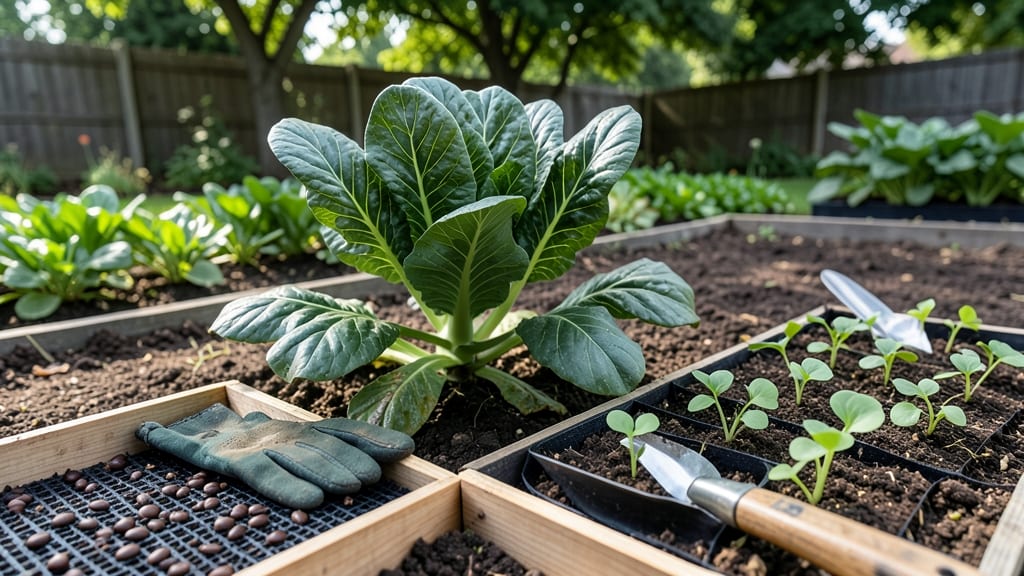
If you've ever struggled with when to plant collard seeds in NC, you're not alone—getting the timing wrong can mean bitter leaves or wasted effort.
North Carolina's mild winters and hot summers create a tricky balance for growing these cool-season greens, but with the right schedule, you can enjoy fresh 🥬 harvests from spring through winter.
The key is planting collards 6-8 weeks before your average last frost date (typically late February to early April) and again in mid-summer (July-August) to beat the heat.
This two-part strategy ensures you avoid both frost damage and the dreaded bolting that turns your collards into flowering stalks instead of tender greens.
I'll walk you through the exact planting windows for your NC region, heat-tolerant varieties that thrive here, and soil prep tips to keep your collards productive all season. No more guessing—just science-backed timing for maximum harvests.
Ready to grow collards that stay sweet and crisp? Let's dive into the perfect planting schedule for your North Carolina garden.
NC frost dates & ideal collard planting windows by region
North Carolina’s diverse climate—from the coastal plains to the mountain regions—means frost dates vary dramatically. Collards thrive in cool-season conditions, so timing your plantings around these dates is critical.
The average last frost in most of NC falls between March 1-15, while the first frost arrives around November 1-15. This gives you two prime windows: early spring and mid-summer.
For Zone 7b (western NC), aim to plant late February to early April for spring harvests. In Zone 8a (eastern NC), you can start as early as mid-February. The second window—July to early August—lets you enjoy fall and winter harvests before frost sets in.
Miss these windows, and you’ll risk bitter bolts or stunted growth from heat stress.
Here’s how NC’s regions break down for collard planting:
| Region | USDA Zone | Last Frost Date | First Frost Date | Spring Planting Window | Fall Planting Window |
|---|---|---|---|---|---|
| Mountains (Asheville, Boone) | 6b-7a | March 15-April 1 | October 15-November 1 | March 15-April 15 | July 15-August 15 |
| Piedmont (Raleigh, Greensboro) | 7a-7b | March 1-April 1 | November 1-November 15 | Late February-March 15 | July 1-August 10 |
| Coastal Plains (Wilmington, Fayetteville) | 8a-8b | February 15-March 1 | November 15-December 1 | Mid-February-April 1 | July 10-August 20 |
Pro tip: Use row covers or cold frames to extend your spring window by 2-3 weeks in cooler zones. This gives your collards a head start before summer heat arrives. For heat-tolerant varieties, prioritize types like 'Champion' or 'Georgia Southern', which handle NC’s summer better than standard collards.
In Zone 8a, you can even try a third planting in late August for a quick fall harvest before frost. Just be prepared to mulch heavily to protect roots from early cold snaps.
The key is matching your planting window to your local microclimate—coastal areas stay warmer longer, while mountain valleys cool off faster.
Bolting is your biggest enemy in NC’s heat. Collards bolt when days get too long or temperatures exceed 85°F for extended periods. To avoid this, plant heat-tolerant varieties and use shade cloth in peak summer months.
Succession planting—sowing seeds every 2-3 weeks—ensures a continuous harvest instead of one big risk.
For container gardening, stick to the same windows but choose dwarf varieties like 'Top Bunch'. Containers heat up faster, so monitor soil temperature closely—keep it below 80°F to prevent bolting. In-ground collards, however, benefit from the soil’s natural insulation, giving you a few extra weeks of growth.
Remember: Soil temperature matters just as much as air temperature. Collard seeds need soil at 50-60°F to germinate. Use a soil thermometer to check before planting. If your soil is too cold, wait another week or two—rushing leads to poor germination and weak seedlings.
With these region-specific windows and heat-smart strategies, you’ll enjoy tender, bolt-free collards from spring through winter. The secret? Plan ahead, choose the right varieties, and stay flexible with your schedule based on your local climate.
How to avoid bolting: heat-tolerant collard varieties & soil prep tips for NC’s summer
Collards thrive in cool weather, but North Carolina’s summer heat can trigger bolting—when plants prematurely flower and become bitter. The key to avoiding this is choosing heat-tolerant varieties and preparing your soil to handle the humidity and heat.
Bolting usually starts when temperatures exceed 80°F for extended periods, so planning ahead is critical.
If you’ve ever planted collards in NC’s summer and watched them bolt, you know the frustration. The good news? Selecting the right varieties and amending your soil can extend your harvest window by 4-6 weeks into the heat.
Start by focusing on slow-bolting varieties like 'Champion,' 'Georgia Southern,' or 'Top Bunch,' which are bred to handle warmer temperatures better than standard types.
🌱 Key-Takeaway Visual: