
Plants
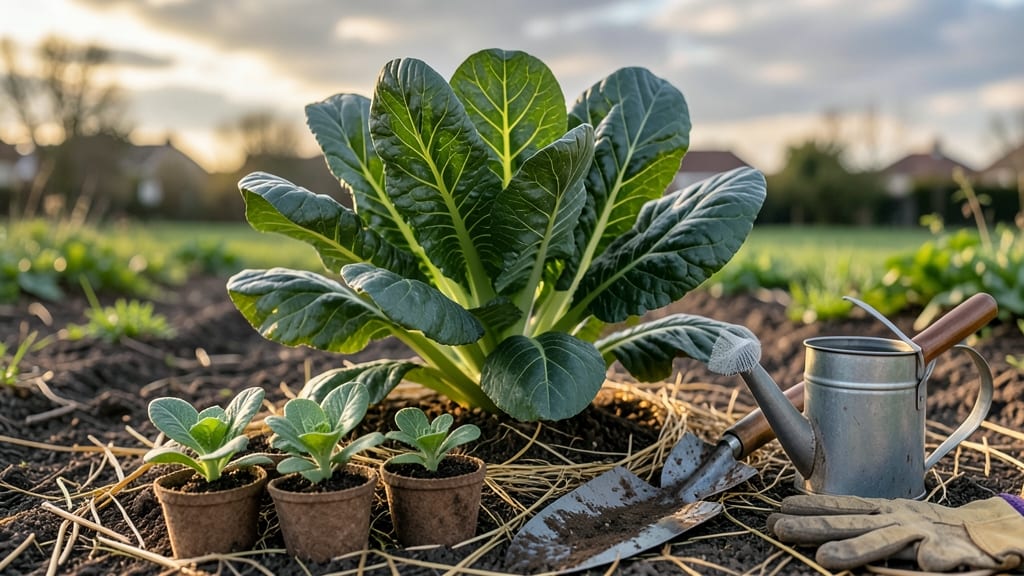
When to plant collards in Georgia could mean the difference between a thriving harvest and wasted effort. With the right schedule, you’ll enjoy crisp, flavorful 🥬 leaves from fall through early spring—but plant too early or late, and you risk bolting, stunted growth, or even frost damage.
Georgia’s unique climate, spanning USDA Zones 7b-9a, means your planting window varies by location. In cooler northern zones like 7b, you’ll want to start seeds indoors by early August for a fall harvest, while southern zones like 9a can push planting into early March for spring growth.
The key? Avoid the brutal summer heat and align with your area’s first frost dates.
I’ll break down the exact planting deadlines for each zone, plus pro tips to extend your harvest season. Whether you’re a first-time gardener or a seasoned green thumb, these strategies will help you maximize your collard yield without the guesswork.
Ready to grow collards that thrive? Let’s dive into the best times to plant based on your Georgia zone—and how to keep your plants happy from seed to harvest.
Georgia collard planting deadlines by USDA Zone (2024 guide)
Georgia’s USDA zones 7b-9a offer a 210-day frost-free window, perfect for growing collards year-round. However, timing is critical to avoid heat stress in summer or frost damage in winter.
Most gardeners in Georgia focus on two planting windows: late summer for fall harvests and early spring for spring harvests.
Collards thrive in cool weather (ideal soil temps: 45-85°F) and can handle light frosts, but they bolt quickly in summer heat. In Zone 7b, your last frost date is typically November 15, while Zone 9a rarely sees frost until January 15.
Planting too early in spring risks stunted growth from summer heat.
Here’s your zone-specific planting schedule for collards in Georgia, including ideal soil temps and frost-free deadlines to maximize your harvest:
| USDA Zone | Last Frost Date | Fall Planting Window | Spring Planting Window | Ideal Soil Temp |
|---|---|---|---|---|
| 7b | Nov 15 | Aug 1 - Sep 15 | Feb 15 - Mar 15 | 45-65°F |
| 8a | Nov 25 | Aug 15 - Oct 1 | Feb 20 - Mar 20 | 45-70°F |
| 8b | Dec 1 | Sep 1 - Oct 15 | Feb 25 - Mar 25 | 45-75°F |
| 9a | Jan 15 | Sep 15 - Nov 1 | Mar 1 - Mar 30 | 50-80°F |
For Zone 7b, aim to plant collards by September 15 for a fall harvest before the first frost. In warmer zones (8b-9a), you can extend planting into October or even November since frosts are rare.
Spring planting should always wait until after the last frost to avoid heat stress later in the season.
If you’re in Zone 9a, you can even plant collards in late fall (November) for a winter harvest, as they’ll tolerate light frosts. Just avoid planting in summer (June-August), when temperatures exceed 85°F, causing bolting and bitter leaves.
Pro tip: Use a soil thermometer to confirm temps are above 45°F before planting. Cold soil slows germination, so wait for consistent warm days (especially in spring). In Zone 7b, this often means waiting until mid-March for spring plantings.
For direct sowing, plant seeds ¼ inch deep and 1 inch apart, thinning to 12-18 inches apart at maturity. If starting indoors, transplant seedlings 4-6 weeks before your zone’s last frost date. Harden off seedlings for 7-10 days before moving them outdoors to reduce transplant shock.
Once planted, mulch around collards with 2-3 inches of straw to retain moisture and regulate soil temps. This is especially important in Zone 7b, where temperature swings can be dramatic. Mulch also suppresses weeds, reducing competition for nutrients.
Remember: Collards are cool-season crops, so they’ll bolt in summer heat. If you miss the fall window, don’t panic—just wait for spring planting and enjoy your harvest from October through March!
How to extend your collard harvest season in Georgia
Georgia’s mild winters and long growing season let you grow collards almost year-round—but with the right strategies, you can maximize your harvest from October through March. The key is planting at both spring and fall windows while using cold-hardy varieties and protective tactics.
Most gardeners focus on fall planting for collards, but spring plantings can yield tender leaves by summer. For Georgia’s USDA Zones 7b-8b, timing is critical to avoid heat stress or frost damage. Here’s how to stretch your harvest season like a pro.
Start with succession planting every 2-3 weeks in fall (August through early October) to ensure a steady supply. For spring, plant 4-6 weeks before your last frost date—typically mid-February to early March—to beat the summer heat.
Extend your season further with row covers or low tunnels during cold snaps. These protect young plants from light frosts (28°F) while still allowing sunlight. Remove covers on warm days to prevent overheating.
Mulch heavily with straw or leaves to insulate roots and retain moisture. In Zone 8b, you can even plant a late-summer crop (July-August) for a winter harvest, as temperatures rarely drop below freezing before December.
Finally, harvest outer leaves first to encourage regrowth. With proper timing and care, your collards will keep producing tender, flavorful greens well into Georgia’s mild winters—no summer bolting in sight! 🌿