
Plants
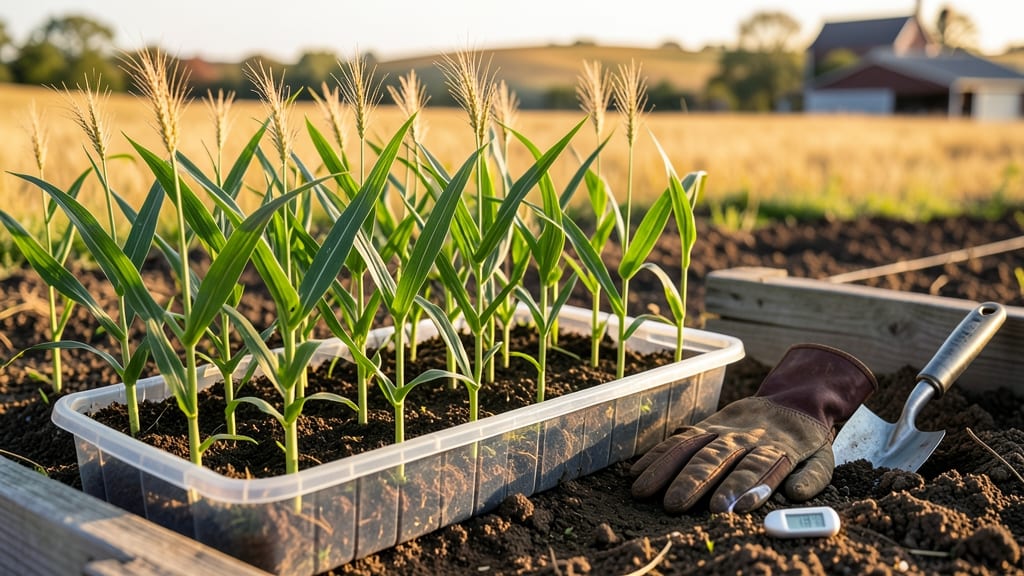
If you're wondering when to plant corn in Iowa, timing isn't just important—it's the difference between a bumper crop and a disappointing harvest.
With Iowa's Zone 5a-6b climate, you've got a narrow window to get those seeds in the ground just right, and missing it can mean frost-nipped seedlings or stunted growth.
Most gardeners here know the golden rule: aim for mid-April to mid-May, but that's not the whole story. The real secret lies in soil temperature—wait until it hits at least 50°F—and knowing your last frost date.
Too early, and your 🌽 plants will struggle; too late, and you might miss peak growing conditions entirely.
I've seen firsthand how a few days can make all the difference, especially with Iowa's unpredictable spring weather. Whether you're growing sweet corn for the family or field corn for livestock, getting this timing right means better yields and healthier plants from start to finish.
In this guide, I'll break down the exact weeks before your last frost to plant, plus how to adjust for late springs or early frosts. Let's make sure your corn gets the perfect start—because in Iowa, every day counts when it comes to growing season.
Iowa corn planting calendar: exact weeks before last frost by soil temperature
Timing your corn planting in Iowa isn’t just about avoiding frost—it’s about matching soil temperatures and frost-free windows for peak yields. The ideal window falls between 4-6 weeks before the last average frost date, typically mid-April to mid-May.
But here’s the catch: corn seeds need soil temperatures of at least 50°F to germinate properly, and 60°F+ for optimal growth.
Iowa’s Zone 5-6 climate means frost can linger until April 15 in northern regions, while southern Iowa may see frost-free conditions by April 1. This variance is why soil temperature becomes your best friend—it’s more reliable than frost dates alone.
For example, in Des Moines, you might plant as early as mid-April if soil hits 50°F, but in Dubuque, wait until late April to avoid frost damage.
Here’s the golden rule: Plant corn when soil temperatures consistently stay above 50°F for 5+ days. Use a soil thermometer to check—bury it 2 inches deep in the morning for the most accurate reading.
If temperatures dip below 50°F at night, germination slows, leading to uneven sprouts and lower yields.
For early-season varieties (90-day maturity), aim to plant 4-5 weeks before the last frost. Mid-season varieties (100-110 days) get 3-4 weeks before frost, while late-season types (120+ days) can go in 2-3 weeks before frost.
This staggered approach ensures you have harvests spread across summer, reducing risk if weather turns against you.
Iowa’s microclimates add another layer. River valleys (like along the Mississippi River) warm up faster than hilly areas, so adjust your planting date accordingly. Even within a county, a south-facing slope might be ready 1-2 weeks earlier than a north-facing field.
Pay attention to these nuances to fine-tune your schedule.
Don’t overlook moisture levels when planning. Corn seeds need consistent moisture to germinate, but waterlogged soil can suffocate roots. Aim to plant when the top 6 inches of soil are moist but not soggy.
If rainfall is scarce, irrigate lightly 2-3 days before planting to help seeds settle at the right depth.
Iowa Corn Planting Timeline by Soil Temperature
| Stage | Soil Temp Requirement | Planting Window (Zone 5-6) | Key Action |
|---|---|---|---|
| Pre-Planting | 40-50°F | Mid-March to early April | Test soil moisture; prepare beds |
| Ideal Planting | 50-60°F | Mid-April to mid-May | Plant seeds 1-1.5" deep |
| Optimal Growth | 60°F+ | Late April to early June | Monitor for pests; fertilize at knee-high |
| Harvest Ready | N/A | Late July to October | Check silks (brown = ready) |
🌽 Pro Tip: Use Iowa State University’s Frost Free Date Map for your specific county.
If you’re planting sweet corn varieties, consider early-maturing types like ‘Silver Queen’ (85 days) or ‘Peaches and Cream’ (75 days) for a June harvest.
For dent corn or field corn, opt for 100-120 day varieties planted in late April to early May to avoid early frost cutting yields short.
One common mistake? Planting too deep or shallow. Corn seeds should go 1-1.5 inches deep—any deeper and they’ll struggle to break through the soil, while shallower planting risks drying out.
Use a seed planter or mark rows with a stick to maintain consistency. Spacing matters too: 4-6 inches apart in rows 30-36 inches wide gives plants room to thrive.
For organic growers, add compost or aged manure to planting rows before sowing. This boosts soil fertility and helps retain moisture, which is critical in Iowa’s drought-prone summers.
If you’re using synthetic fertilizers, apply a balanced 10-10-10 NPK at planting and side-dress with nitrogen when plants reach knee-high.
How to adjust corn planting dates for Iowa’s unpredictable spring weather
Iowa’s spring weather is famously unpredictable—one year’s average last frost date of April 15 can shift 2-3 weeks earlier or later. If you plant corn too early, a surprise frost will kill seedlings, while planting too late cuts your harvest window short.
The key is flexibility: adjust planting dates based on soil temperature, not just calendar dates.
Start by tracking local frost data from the Iowa State University Extension or National Weather Service. Their frost-free probability maps show which areas have a 90% chance of no frost by May 1.
For example, southern Iowa (Zone 6a) can safely plant by mid-April, while northern areas (Zone 5a) should wait until late April or early May.
If your spring is unusually cold, consider planting green—sowing seeds as soon as soil reaches 50°F and using row covers to protect young plants. This buys you 2-3 weeks of growth before transplanting.
For late frosts, opt for fast-maturing varieties (like 90-day hybrids) to ensure a harvest before the first frost in mid-October.
🌱
If frost threatens after planting, act fast: ✅ Cover plants with frost cloth or old bedsheets at night. ✅ Water soil before frost to insulate roots (avoid wetting foliage). ✅ Use row covers for 2-3 weeks post-planting in high-risk zones.
For extended growing seasons, try succession planting: sow a second crop in early June for a late-summer harvest. Choose 100-110 day varieties like ‘Golden Bantam’ or ‘Silver Queen’, which thrive in Iowa’s shorter summer windows.
Always monitor soil moisture—drought stress slows growth, making plants more vulnerable to frost.
Pro tip: Use a soil thermometer to confirm 60°F+ soil temps before planting. Corn seeds won’t germinate below 50°F, and slow starts lead to uneven maturity—a nightmare for harvest day. If temps dip again, delay planting until conditions stabilize.
By combining local frost data, soil temperature checks, and flexible varieties, you’ll beat Iowa’s weather whims and still pull in a bountiful corn harvest. 🌾