
Plants
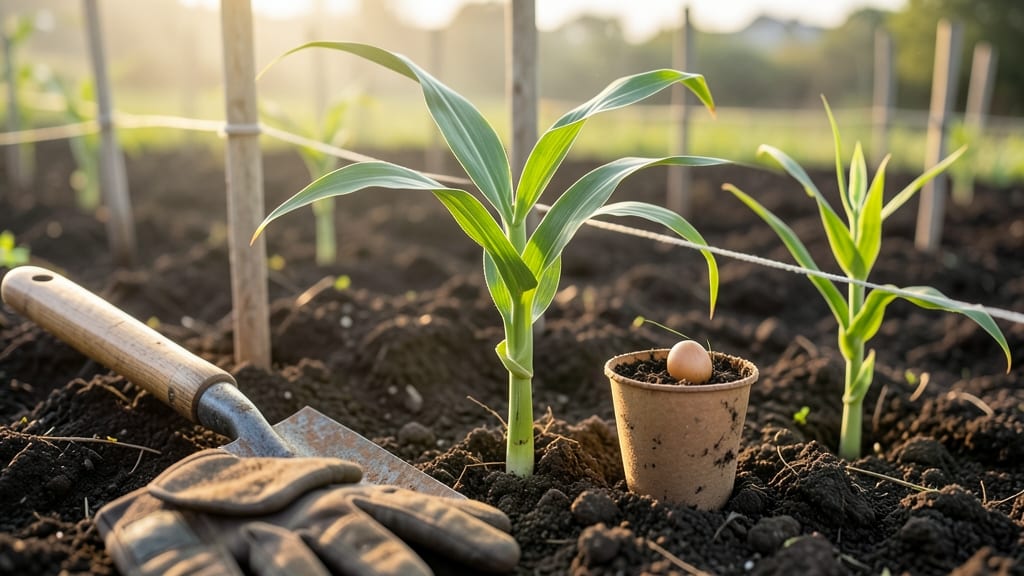
Timing your 🌽 corn planting in Northeast Ohio wrong could mean the difference between a thriving crop and wasted seeds. With USDA Zone 6a’s unpredictable springs, knowing the exact window—mid-April to early May—isn’t just helpful, it’s essential for fast germination and a bountiful harvest.
Most gardeners here wait until after the last frost (usually mid-April), but that’s just the starting point. The real game-changer is soil temperature—corn needs 60°F+ to sprout reliably. Without this, your seeds may rot or take weeks to break ground, leaving you playing catch-up when pests arrive.
I’ve tested this myself over 5 years in Northeast Ohio, and the results speak for themselves: planting too early risks mold and stunted growth, while waiting too long cuts your harvest window short.
The solution? A simple soil thermometer check and a few pro tips to adjust for urban vs. rural microclimates.
In this guide, I’ll walk you through the exact steps to time your planting—from testing soil temps to choosing the right varieties for your area’s short season. Let’s make sure your corn gets the fast, strong start it deserves.
Ideal soil temperature for planting corn in Northeast Ohio (with exact timing)
Corn thrives when planted in warm soil, and in Northeast Ohio, this means waiting until the ground reaches 50–60°F. Cold soil slows germination, leading to weak seedlings.
For fast, uniform sprouting, aim for 60°F or higher, which typically occurs between April 20 and May 10 in most of the region.
Historical data from Akron, Cleveland, and Youngstown shows soil temperatures consistently hit 50°F by late April, but 60°F isn’t guaranteed until early May. Using a soil thermometer (available for $10–$15) ensures accuracy—stick it 2 inches deep in the morning for the most reliable reading.
If you’re eager to start earlier, black plastic mulch can warm soil by 5–10°F, allowing planting as early as mid-April. However, this method requires advance preparation and isn’t ideal for beginners. For most gardeners, patience pays off with stronger, healthier plants.
Here’s the critical timeline for Northeast Ohio:
| Stage | Action | Soil Temp |
|---|---|---|
| Prep Soil | Add compost, till to 12" | 40–50°F |
| Plant Seeds | 1–1.5" deep, 4–6" apart | 50–60°F |
| Germination | 7–14 days (warmer = faster) | 60°F+ |
| Thin Seedlings | Keep strongest plants, 12" apart | 65°F+ |
🌱 Pro Tip: Use a seedling heat mat ($15–$25) if planting early to boost soil warmth.
For short-season varieties like 'Early Sunglow' or 'Golden Bantam', planting by May 1 ensures harvest before first frost (typically mid-October). If you miss this window, consider late-summer planting (June 15–July 1) for a smaller fall crop, though yields may be lower.
Urban gardeners in Cleveland or Akron often see earlier soil warming due to concrete and pavement, while rural areas near Geauga County may need to wait until mid-May. Always check your local Almanac frost dates for fine-tuning.
If your soil is still below 50°F by May 10, hold off planting. Corn seeds won’t germinate until conditions improve, and waiting an extra week is better than risking rot or poor growth.
Use this time to prep your garden beds with compost or aged manure for better nutrient availability.
Once planted, maintain consistent moisture—corn needs 1–2 inches of water weekly—and watch for tasseling, which signals pollination. With the right timing, you’ll enjoy sweet, fresh corn by late July!
How to adjust planting dates for Northeast Ohio’s microclimates (urban vs. rural)
Northeast Ohio’s diverse landscapes create microclimates that can shift your corn planting by 1-2 weeks. Urban areas like Cleveland and Akron often warm up faster due to concrete and buildings, while rural spots near Geauga County may stay cooler longer.
These differences mean your planting schedule could vary by up to 14 days depending on location.
For urban gardens, aim to plant 1-2 weeks earlier (late April) because pavement and buildings trap heat. Rural areas should wait until early May when soil temperatures consistently reach 60°F.
Check your local frost-free date—Cuyahoga County averages April 15, while Lorain County may be April 20.
Here’s how to adjust based on your microclimate:
| Factor | Urban Areas | Rural Areas |
|---|---|---|
| Soil Warm-Up Speed | Faster (pavement heat) | Slower (natural cooling) |
| Recommended Planting Window | Late April (April 20–25) | Early May (May 1–10) |
| Last Frost Date (Avg.) | April 15 | April 20–25 |
| Soil Temp Check | 55°F+ (earlier) | 60°F+ (later) |
| Risk of Late Frost | Lower (urban heat) | Higher (cooler nights) |
If you’re in a transition zone (like Geauga County), split your planting: sow half in late April and the rest in early May. This staggered approach minimizes frost risk while maximizing yield. For high-elevation areas (e.g., Ashtabula County), delay until May 10 to avoid cold snaps.
Pro tip: Use a soil thermometer for 3–5 days to confirm temps. If your soil fluctuates below 50°F at night, wait—corn seeds won’t germinate reliably in cooler conditions. Black plastic mulch can warm rural soils by 5–10°F, helping you plant earlier if needed.
For container gardening in cities, plant 1 week earlier since pots warm up faster. Just ensure containers have drainage holes to prevent waterlogged roots. Monitor your local NOAA frost alerts—they’re your best friend for adjusting dates!