
Plants
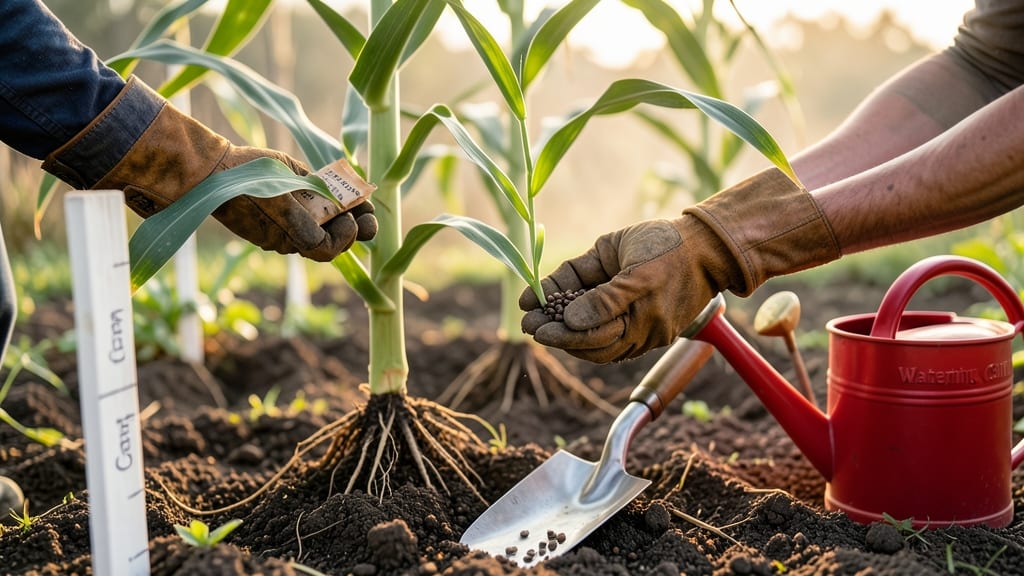
If you've ever tried growing 🌽 corn in San Diego only to watch your plants wilt under the relentless sun, you're not alone. The key to success isn't just picking the right variety—it's planting at the perfect moment when soil temperatures and coastal breezes align just right.
San Diego's mild winters and frost-free climate give you a longer growing window, but timing matters more than you might think. Plant too early, and your corn could struggle with heat stress; too late, and you might miss the ideal harvest window before summer's peak intensity.
I'll show you exactly when to start seeds and transplant for maximum success.
We'll cover the best planting dates for both coastal and inland areas, plus heat-tolerant varieties that thrive in our unique microclimates. With these strategies, you'll avoid common mistakes and enjoy sweet, homegrown corn right through summer.
Ready to transform your garden into a cornfield? Let's dive into the precise timing and techniques that will give you the best harvest possible in San Diego's challenging—but rewarding—growing conditions.
Best planting dates for corn in San Diego’s microclimates
San Diego’s USDA Zone 10a climate means you can grow corn year-round, but timing is everything for sweet, tender ears. Unlike cooler regions, frost isn’t a concern, but heat stress and soil temperatures dictate your planting window.
Aim for late winter to early spring when soil warms to 60°F+—typically late February to March—to avoid summer’s scorching heat.
Coastal areas like La Jolla or Del Mar have cooler, foggier mornings, while inland zones like Escondido or Ramona heat up faster. This creates a 2-3 week difference in ideal planting dates between microclimates. Use a soil thermometer to confirm readiness—corn roots need warmth to thrive.
For maximum yield, plant in succession every 2 weeks from February through April. This staggered approach ensures continuous harvests from May to July, avoiding the peak summer heat that can dry out ears prematurely. Even heat-tolerant varieties struggle when daytime temps exceed 95°F for prolonged periods.
🌱
| Zone Type | Ideal Planting Window | Soil Temp Requirement | Harvest Window | Key Consideration |
|---|---|---|---|---|
| Coastal (e.g., La Jolla, Pacific Beach) | Late February – Early March | 60°F+ (warms slower due to fog) | Late May – Early June | Morning fog delays heat stress |
| Inland (e.g., Escondido, Ramona) | Early March – Mid-March | 65°F+ (warmer soils faster) | Early June – Mid-June | Higher daytime temps = faster growth |
| Valleys (e.g., San Diego Valley, Chula Vista) | Mid-February – Early March | 62°F+ (moderate warming) | Late May – Early July | Balanced climate; best for beginners |
| Succession Planting (All Zones) | Every 2 weeks until April | 60°F+ (consistent) | May – July (staggered) | Extends harvest by 8+ weeks |
If you miss the primary planting window, don’t despair—San Diego’s climate allows for a late-summer attempt in August for fall harvests. Choose short-season varieties (e.g., 'Early Sunglow') that mature in 60-70 days to avoid autumn rains.
However, pests like corn earworms thrive in warm fall nights, so monitor closely.
Pro tip: Direct-sow seeds rather than transplanting seedlings, as corn has delicate roots that stress easily. Space rows 30 inches apart to allow airflow and prevent fungal diseases like corn smut, which flourishes in San Diego’s humid coastal areas.
Use a stake or trellis for taller varieties to save space in small gardens.
For organic gardeners, amend soil with composted manure or worm castings before planting to boost fertility. Corn is a heavy feeder, so enrich the soil with phosphorus-rich fertilizer (like bone meal) to encourage strong root development.
Test your soil’s pH—corn prefers 6.0-7.0, and San Diego’s native clay can lock out nutrients if too alkaline.
🌿
Watch for silking stage (when tassels appear) to adjust watering—this is when ears develop, and consistent moisture is critical. Let the top 1-2 inches of soil dry between waterings to prevent root rot, a common issue in San Diego’s clay-heavy soils.
Mulch with straw or grass clippings to retain moisture and suppress weeds, which compete aggressively in San Diego’s mild winters.
Finally, companion planting can boost yields. Pair corn with beans or peas (they fix nitrogen in the soil), marigolds (repel pests), or lettuce (shade-sensitive crops benefit from corn’s towering height). Avoid planting near tomatoes or cabbage, as they compete for
Best planting dates for corn in San Diego’s microclimates
San Diego’s unique coastal and inland microclimates create distinct planting windows for corn. Unlike northern regions, we don’t have frost dates to worry about—but soil temperature and heat tolerance are critical factors.
Coastal areas stay cooler longer, while inland zones can experience sudden heat spikes, both of which affect planting success.
For optimal growth, aim to plant when daytime temperatures consistently stay above 65°F and soil reaches 60°F. This typically aligns with late February to March for most of San Diego County.
However, coastal areas like La Jolla or Del Mar may have 2-3 weeks earlier planting windows compared to inland spots like Escondido or Ramona.
| Zone | Best Planting Window | Soil Temp Requirement | Maturity Window |
|---|---|---|---|
| Coastal (La Jolla, Del Mar) | Late February - Early March | 60°F+ | June - July |
| Inland (Escondido, Ramona) | Mid-March - Early April | 60°F+ | July - August |
| Valleys (Oceanside, Vista) | Early March - Mid-March | 60°F+ | June - July |
To extend your harvest, consider succession planting every 2-3 weeks after your initial planting. This works especially well for short-season varieties like 'Silver Queen' (70 days) or 'Peaches and Cream' (75 days).
By staggering plantings, you can enjoy fresh ears from June through August, avoiding the peak heat of summer when corn struggles.
For late-summer planting, aim for mid-August using heat-tolerant varieties. This second planting will mature just before winter rains arrive, giving you a second harvest window. Just be prepared for increased irrigation needs as temperatures climb above 90°F.
Always check your local weather forecasts for La Niña or El Niño patterns, which can bring unexpected heatwaves or cooler spells. These shifts may require adjusting your planting timeline by 1-2 weeks to avoid stressing young plants.
Use a soil thermometer to confirm readiness—corn seeds won’t germinate well below 60°F. If your soil is too cold, wait 1-2 weeks for temperatures to rise naturally or use black plastic mulch to warm the soil faster.