
Plants
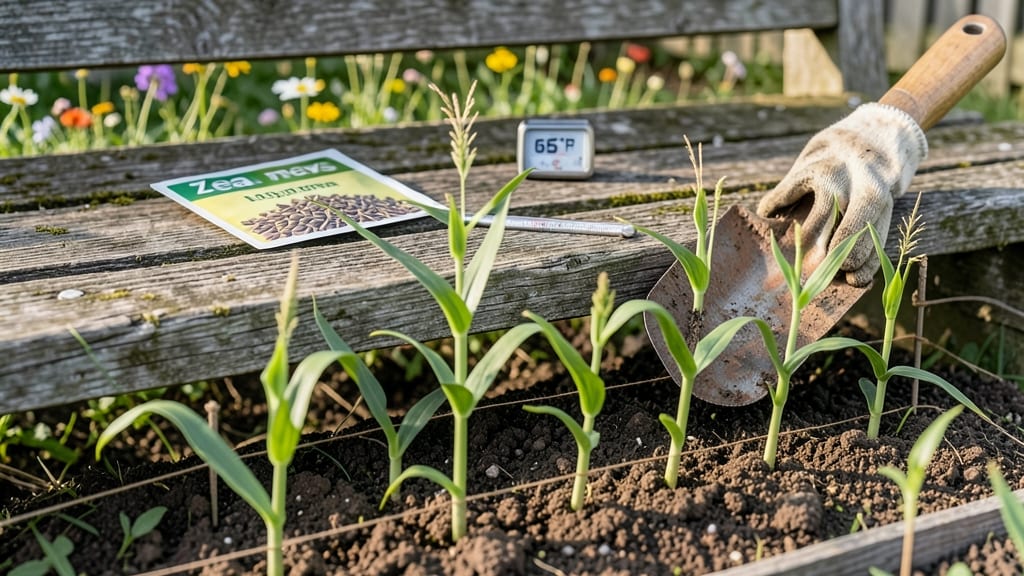
Knowing when to plant corn in West Virginia can make or break your harvest—get the timing wrong, and you might end up with stunted plants or lost seeds before they even sprout.
The 6a zone here means corn lovers have a narrow window between late frosts and summer heat, and missing it by even a few days can throw off your entire growing season.
Most gardeners in West Virginia aim to plant 🌽 corn between mid-April and early May, but the exact timing depends on soil temperature and local microclimates. Highland areas might need to wait until late April, while river valleys can start earlier.
The key is waiting until the soil reaches at least 60°F—cold soil slows germination, leaving your plants vulnerable to late frosts.
If you're new to growing corn, don’t stress—this guide breaks down the best planting dates, soil prep tips, and how to adjust for West Virginia’s unpredictable spring weather.
Whether you're growing sweet corn for summer meals or field corn for livestock, getting the timing right is the first step to a successful harvest.
Ready to dig in? I’ll walk you through everything you need to know to plant corn at the perfect moment, so you can enjoy fresh ears straight from your garden by late July. Let’s make sure your corn gets the strong start it deserves!
West Virginia corn planting dates by USDA Zone 7a/7b (with frost risk factors)
West Virginia’s USDA Zones 7a/7b offer a 165-day frost-free window, but timing your corn planting requires precision. The average last frost date hovers around April 15, but microclimates—like river valleys or highland Appalachian areas—can shift this by 1-2 weeks.
Planting too early risks frost damage, while late plantings may yield immature ears before first frost in mid-October.
Corn seeds need soil temperatures of 50°F+ to germinate, and 60°F+ for optimal growth. Use a soil thermometer to confirm readiness—cold, wet soils delay sprouting. In my experience, waiting for consistent daytime highs of 65°F ensures faster germination and stronger stalks.
For Zone 7a (colder microclimates), aim for mid-April to early May plantings, while Zone 7b (warmer river valleys) can start as early as late March. However, unpredictable spring weather means flexibility—always have row covers ready for late frosts.
🌱
| Factor | Zone 7a (Colder) | Zone 7b (Warmer) |
|---|---|---|
| Last Frost Date | April 22 | April 15 |
| Ideal Planting Window | May 1–15 | April 20–May 5 |
| Soil Temp Threshold | 60°F+ (daytime) | 55°F+ (soil) |
| First Frost Risk | October 10–15 | October 15–20 |
| Microclimate Adjustment | Wait 7–10 days for highlands | Plant 3–5 days earlier for valleys |
If you’re in a highland area like the Allegheny Mountains, delay planting until after May 1 to avoid late frosts. Conversely, river valleys (e.g., Ohio River basin) can start 2 weeks earlier thanks to warmer microclimates.
Always monitor local weather forecasts—Mountain State University’s Ag Extension provides updated frost alerts.
For successive planting, stagger seeds every 10–14 days to extend harvests. This works best with short-season varieties (e.g., ‘Early Sunglow’, ‘Bodacious’) that mature in 75–90 days. Longer-season varieties (e.g., ‘Golden Bantam’) risk frost damage if planted after June 1.
Pro tip: Use black plastic mulch to warm soil faster and reduce weed competition. Lay it down 1–2 weeks before planting to raise soil temps by 5–10°F. Pair this with drip irrigation to maintain consistent moisture—corn roots are shallow early on and drought-sensitive.
💧
Remember, West Virginia’s rocky soils drain quickly, so amend beds with compost before planting. Aim for 1–2 inches of compost mixed into the top 6 inches of soil to improve water retention. Test your soil’s pH (6.0–7.0 ideal)—corn thrives in slightly acidic to neutral conditions.
Finally, keep an eye on corn earworm and smut fungus, common in WV’s humid summers. Rotate planting locations yearly and use row covers during tasseling (when silks emerge) to deter pests. With the right timing and care, you’ll harvest sweet, plump ears by late August!
West Virginia corn planting dates by USDA Zone 7a/7b (with frost risk factors)
West Virginia’s USDA Zones 7a/7b offer a short but productive growing season for corn—if you time it right. The average last frost date hovers around April 15, but mountain regions like the Allegheny Plateau can delay this by 1-2 weeks compared to river valleys.
Corn thrives when soil temperatures hit 50°F+ consistently, typically by mid-April in lowland areas.
For sweet corn varieties (most common for home gardens), aim to plant 2-4 weeks after your last frost. This usually lands between mid-April and early May.
In higher elevations, wait until late April to avoid late frosts. Remember, corn is sensitive to cold—even a light frost can kill seedlings.
Here’s a quick reference for West Virginia’s frost-free windows by region:
| Region | Last Frost Date | Ideal Planting Window | First Frost Risk |
|---|---|---|---|
| Northern WV (Zone 7a) | April 20 | Late April to May 1 | High (Oct 10) |
| Southern WV (Zone 7b) | April 10 | Mid-April to April 25 | Moderate (Oct 15) |
| River Valleys (e.g., Charleston) | April 5 | Late March to April 15 | Low (Oct 20) |
Use a soil thermometer to confirm temperatures—corn seeds won’t germinate below 50°F. If your soil is too cold, opt for early-maturing varieties (60–70 days to harvest) to beat the clock. For example, 'Early Sunglow' matures in 65 days, perfect for late starts.
Pro tip: Plant in successive batches every 10–14 days for a staggered harvest. This works especially well in Zone 7a, where early frosts can cut the season short. For instance, plant your first batch on April 25 and follow up with May 10 and May 25 for continuous yields.
Watch for unpredictable spring weather—West Virginia’s Appalachian microclimates can create frost pockets even after the official last frost. If nighttime temps dip below 40°F, cover seedlings with row fabric or a lightweight blanket until danger passes.
Once planted, maintain consistent moisture—corn needs 1–2 inches of water weekly. Mulch with straw or grass clippings to retain soil warmth and suppress weeds. With the right timing, you’ll enjoy juicy ears by late July!