
Plants
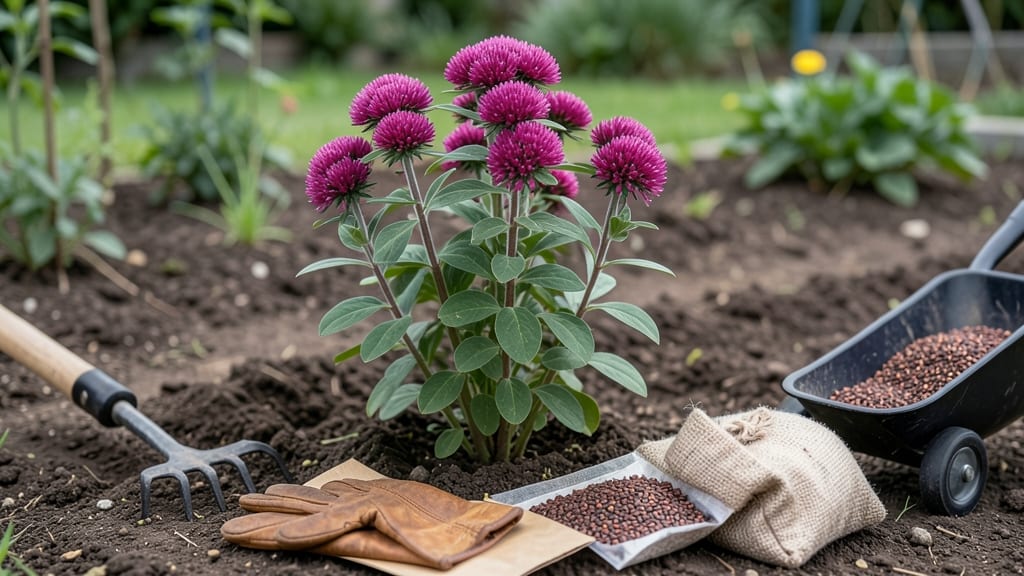
Timing your crimson clover 🌸 planting in North Carolina can make or break your cover crop’s success—especially when you want roots to establish fast before winter sets in. The right window means stronger growth, better erosion control, and a healthier landscape next spring.
Most gardeners in NC’s 6a-8b zones know the golden rule: plant crimson clover between late August and early October. This timing lets the plant develop deep roots before the first frost, giving it a head start for spring blooms that support pollinators.
But here’s the catch—if you wait too late, frost-sensitive seedlings won’t survive, leaving you with patchy coverage.
Why does this matter? A well-timed planting means faster establishment, which translates to fewer weeds, improved soil health, and even better pollinator support.
Whether you’re using it for erosion control or a living mulch, getting the timing right is the key to avoiding common mistakes that derail even the most eager gardeners.
In this guide, I’ll break down the exact weeks before your last frost to plant, how to prep your soil for rapid germination, and what to watch out for in NC’s variable climate. Let’s get your crimson clover off to the best possible start.
Best planting windows for crimson clover in NC: weeks before last frost
North Carolina’s USDA Zones 6a–8b create ideal conditions for crimson clover when planted at the right time. The key is establishing roots 4–6 weeks before the first frost, which typically hits between October 20 and November 15 across the state.
This timing ensures your cover crop thrives before winter dormancy.
For most of NC, the optimal planting window spans August 15 to September 30. In Zone 8b (southwestern NC), you can extend this slightly later—up to mid-October—while Zone 6a (mountains) should aim for late August to avoid early frost risks.
Crimson clover thrives in warm soil temperatures (60–70°F), making late summer the perfect launchpad. Planting too early (before July 15) risks summer heat stress, while waiting past October 15 leaves insufficient time for root development before frost.
🌱 Crimson Clover Planting Timeline for NC
| Zone | Ideal Planting Window | Weeks Before Frost | Key Consideration |
|---|---|---|---|
| 6a (Mountains) | Late August – Early September | 4–5 weeks | Cooler nights; prioritize early establishment |
| 7a (Piedmont) | Mid-August – Late September | 5–6 weeks | Balanced heat and humidity |
| 8a–8b (Coastal) | Late August – Mid-October | 6–8 weeks | Warmer soils; extend window slightly |
Use NC State Extension’s frost date calculator to pinpoint your exact window. For example, in Raleigh (Zone 7b), aim for August 20–September 15, while Asheville (Zone 6b) should plant by September 1.
Spring planting is possible but less effective—sow in early March for a late-spring/early-summer cover crop. However, fall planting yields 3x better root establishment due to cooler temperatures and reduced weed competition.
Monitor your local 7-day forecast before planting. A 5-day stretch of 70°F+ soil temps ensures ideal germination. Use a soil thermometer to verify—crimson clover seeds need warmth to break dormancy.
For pollinator benefits, prioritize late August planting to ensure blooms appear before frost. The flowers attract bees and butterflies while the roots prevent erosion—a win-win for NC gardens.
Pro tip: If you miss the fall window, late winter (February) is your second chance. Plant 4–6 weeks before your last frost (typically April 1–15), but expect slower growth compared to fall-sown crops.
Remember, crimson clover’s perennial nature means well-timed fall planting can yield multiple years of benefits—just mulch lightly in winter to protect emerging shoots.
Best planting windows for crimson clover in NC: weeks before last frost
North Carolina’s diverse climate zones (USDA 6a-8b) create two ideal windows for planting crimson clover: late summer and early fall. The primary window is August through mid-October, ensuring roots establish before winter. This timing maximizes cover crop benefits like erosion control and pollinator support.
For fastest establishment, aim to plant 6-8 weeks before your area’s first frost. In most of NC, this means late August to early October.
Check your local last frost date (typically November 1 in Zone 7a) to adjust timing. Spring planting is possible but riskier due to summer heat stress.
Here’s how NC’s frost zones affect your planting schedule:
| USDA Zone | Last Frost Date | Ideal Planting Window | Key Consideration |
|---|---|---|---|
| 6a (Mountains) | October 15 | Late July - Early September | Cooler temps; plant earlier to avoid frost. |
| 7a (Piedmont) | November 1 | Late August - Mid-October | Balanced window; avoid late October. |
| 8a (Coastal) | November 15 | Late August - Early November | Longer growing season; extend window. |
If you miss the fall window, consider spring planting in March-April, but expect slower growth due to summer heat. Crimson clover thrives in warm soil (60°F+), so avoid planting when soil temps drop below 55°F. Use a soil thermometer to confirm conditions.
For pollinator support, prioritize late summer plantings (August-September) to provide early fall blooms. The flowers attract bees and butterflies, boosting your garden’s ecosystem. In Zone 8b, you can even plant into early November for winter interest.
Pro tip: Use a cover crop calendar or local Cooperative Extension Service resources to fine-tune your schedule. NC State Extension offers free frost date maps tailored to your county—perfect for precision planting! 🌸