
Plants
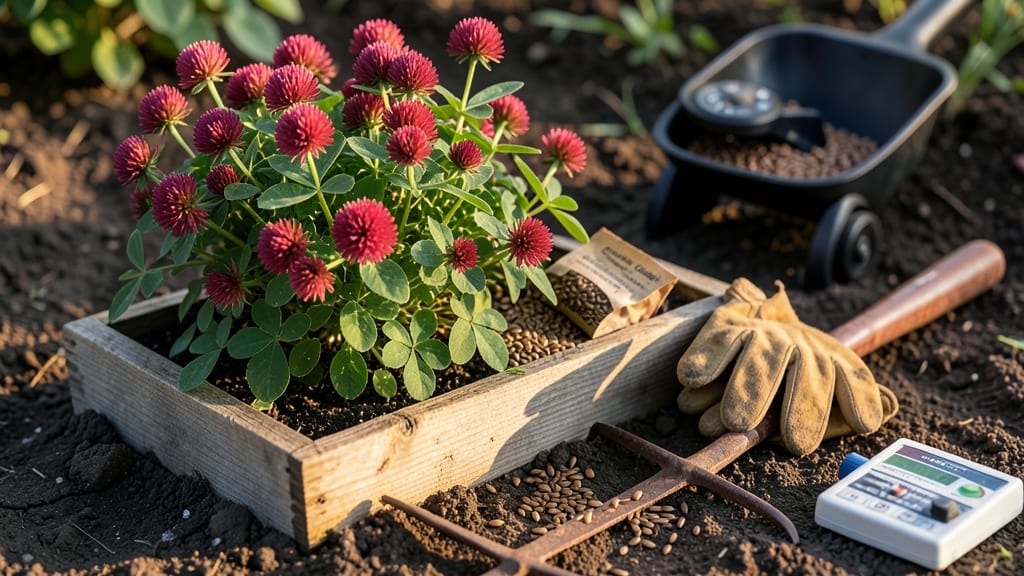
Timing your Crimson Clover 🌸 planting in Tennessee isn’t just about the calendar—it’s about beating the clock before frost sneaks in. With Tennessee’s USDA zones 6a-7b and unpredictable fall weather, planting too early or too late can leave your cover crop struggling or even failing entirely.
Most gardeners in Tennessee swear by planting between late August and early September, but why? This window gives Crimson Clover enough time to establish roots before winter sets in, ensuring it survives the cold and returns stronger in spring.
Skip this timing, and you might end up with weak growth or a cover crop that fizzles out before doing its job.
What makes this even trickier is Tennessee’s varied microclimates—Nashville’s cooler nights versus Memphis’s slower frost arrival. The key is planting 4-6 weeks before your first frost date, which typically lands around mid-October for most of the state.
But don’t worry—we’ll break down exactly how to adjust for your specific corner of Tennessee.
Ready to master the perfect planting window? Let’s dive into the strategies that’ll have your Crimson Clover thriving all winter long, no matter where you are in the state.
Optimal planting months for crimson clover in Tennessee’s climate zones
Tennessee’s USDA hardiness zones 6a-7b create unique challenges for planting crimson clover. The key to success lies in understanding your local frost dates and soil temperatures, which vary dramatically between East, Middle, and West Tennessee.
For most regions, the ideal planting window falls between mid-August and early September, but adjustments are needed based on microclimates.
In East Tennessee (zone 6a), where frosts arrive earlier, aim to plant by late August to ensure establishment before October’s first frost. Meanwhile, West Tennessee (zone 7b) gardeners have until mid-September due to later frost dates.
Nashville’s transition zone (6b-7a) offers a middle ground with a 4-6 week buffer before frost.
🌱 Tennessee Crimson Clover Planting Timeline
| Region | USDA Zone | Optimal Planting Window | Soil Temp Threshold | Frost Buffer |
|---|---|---|---|---|
| East TN (Chattanooga, Knoxville) | 6a | Late August | 60-65°F | 4-5 weeks before frost |
| Middle TN (Nashville, Murfreesboro) | 6b-7a | Mid-August to early Sept | 65-70°F | 5-6 weeks before frost |
| West TN (Memphis, Jackson) | 7b | Early Sept to mid-Sept | 70-75°F | 6 weeks before frost |
For soil temperature thresholds, crimson clover germinates best when soils reach 60-70°F. Use a soil thermometer to verify—planting too early in cool soils delays germination. In East Tennessee’s cooler microclimates, wait until late August when soil temps consistently hit 65°F during the day.
If you miss the primary window, don’t panic—crimson clover can handle late summer plantings in zone 7b until early October. However, growth will be slower, and biomass production may be reduced.
For spring plantings, aim for March in zone 6a or late February in zone 7b, but expect less winter hardiness.
Pro tip: Check the National Weather Service’s frost probability maps for your county. Areas like Great Smoky Mountains (zone 6a) have 30% higher frost risk than Memphis (zone 7b). Adjust your planting date accordingly to avoid frost damage to young seedlings.
Another critical factor is daylength. Crimson clover responds to shorter days in fall, triggering faster establishment. Planting in late August gives you the optimal balance of warm soils and declining daylight—perfect for root development before winter.
For urban gardeners in cities like Nashville, heat islands can push soil temps 5-10°F higher than rural areas. Monitor your specific microclimate—if your yard stays 10°F warmer than surrounding farms, you may extend planting into early September safely.
Finally, consider cover crop mixes. Pairing crimson clover with ryegrass or vetch can extend your planting window by 2-3 weeks while improving soil structure. The ryegrass establishes quickly in cooler soils, while the crimson clover takes over as temps rise.
Remember: The earlier you plant in Tennessee’s fall window, the more biomass you’ll produce before winter. But don’t rush—soil temperature matters more than calendar dates. Use these guidelines as your starting point, then adjust based on your local conditions.
Frost-resistant planting strategies for fall/winter success
Tennessee’s first frost typically arrives between mid-October and November, but early frosts can sneak in as early as September in higher elevations. To ensure your crimson clover establishes strong roots before winter, aim to plant 4-6 weeks before frost.
This window usually means late August to early September for most of the state.
For East Tennessee’s cooler microclimates (like USDA Zone 6a), push planting to mid-August to give seedlings extra time to harden off. In West Tennessee’s warmer zones (7a-7b), you can extend planting until early October—just monitor soil temperatures, which should stay above 60°F for germination.
Planting after mid-September in most of Tennessee increases frost damage risk. Seedlings need 4-6 weeks to establish before winter dormancy. Use row covers or mulch if extending planting into October.
Choose frost-tolerant varieties like 'Dixie' or 'Osceola' for better winter survival. These types handle light frosts down to 20°F once established, while 'Common' crimson clover may struggle in prolonged cold snaps. Always mix seeds with a light mulch (straw or leaves) to insulate roots.
If an early frost hits before planting, don’t panic—crimson clover seeds can survive light freezing if soil isn’t waterlogged. Wait for soil temps above 50°F and stable frost-free conditions for 2-3 weeks before sowing. This emergency window often opens in late October for fast-growing varieties.
For maximum winter coverage, consider a two-stage approach: plant early August for a summer cover and late September for a winter cover. This ensures year-round soil protection and pollinator support even during Tennessee’s mild winters.
Pro tip: Test your soil’s pH (6.0-7.0 ideal) before planting—lime applications in early summer can prevent nutrient lockout during fall establishment. Crimson clover thrives with phosphorus-rich soil, so a bone meal side-dress at planting boosts root development.