
Plants
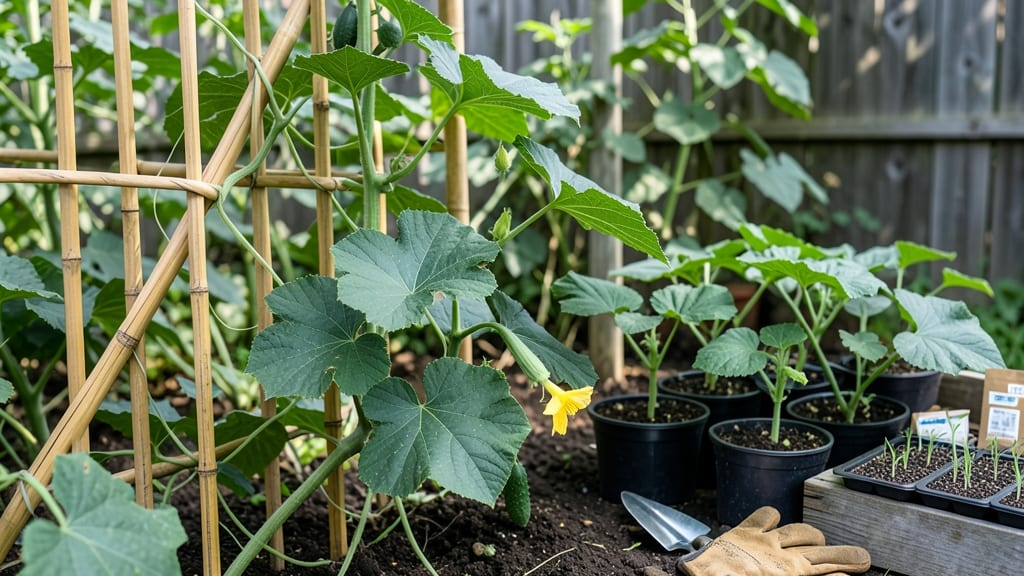
Planting cucumbers at the wrong time in Australia can mean bitter harvests or worse—your 🥒 plants bolting before they even get a chance to thrive. With tropical Queensland’s year-round warmth clashing against Tasmania’s chilly springs, timing your cucumber crop isn’t a one-size-fits-all game.
The key to success lies in understanding your local heat zone and soil temperatures. Whether you’re in the sunbaked outback or a coastal temperate region, knowing when to sow ensures your cucumbers grow strong and productive. I’ll break down the perfect planting windows so you can avoid common mistakes.
From avoiding frost damage to managing summer heat stress, this guide covers everything you need. You’ll discover how to extend your growing season and choose the best varieties for your climate. Let’s get your cucumbers off to the right start!
No more wasted seeds or disappointing yields—just bolt-free, flavorful harvests all season long. Ready to transform your garden? Let’s dive into the science-backed timing that works for Australian gardeners.
Australia’s cucumber planting calendar by heat zone (avoid bolting)
Australia’s climate zones create a complex puzzle for cucumber growers. From the tropical humidity of Queensland to the cool alpine regions of Victoria, timing is everything. Plant too early, and frost damage or slow growth stalls your harvest.
Too late, and scorching heat triggers bolting—those bitter, flowery cucumbers we all dread. Let’s break it down by zone so you can time your plantings for sweet, crisp success.
Cucumbers thrive when soil temperatures stay above 15°C (59°F). Below that, germination stalls, and roots struggle. Most Australian regions hit this threshold between September and November, but your exact timing depends on whether you’re in tropical, temperate, or alpine country.
I’ll show you the ideal windows for each zone, plus how to adjust for early or late seasons.
🌱
| Climate Zone | Best Planting Time | Soil Temp Threshold | Frost Risk | Heat Stress Risk |
|---|---|---|---|---|
| Tropical (QLD, NT, Northern NSW) | Year-round (best: March–May & September–November) | 18–25°C (64–77°F) | None | High in Dec–Feb |
| Temperate (NSW, VIC, SA, ACT) | September–October (spring) & February–March (autumn) | 15–20°C (59–68°F) | Moderate (check last frost dates) | Moderate in Dec–Jan |
| Alpine (VIC, NSW Mountains) | November–December (soil must be 18°C+) | 18–22°C (64–72°F) | High until late spring | Low (short summers) |
| Coastal (WA, TAS) | October–November (WA) / November–December (TAS) | 15–20°C (59–68°F) | Moderate (TAS) | High in Jan–Feb (WA) |
Let’s start with the tropical north, where cucumbers grow almost year-round. In Queensland, Northern Territory, and northern New South Wales, you can plant March–May for a dry-season harvest or September–November to avoid the worst summer heat.
The key? Shade cloth during December–February, when temperatures can soar past 35°C (95°F), triggering bolting. I’ve grown ‘Suyo Long’ successfully in Far North Queensland by using 30% shade cloth—it’s a game-changer for summer crops.
In temperate zones like Sydney, Melbourne, and Adelaide, timing is critical. Aim for late spring (September–October) when soil warms to 15°C+. This gives plants 6–8 weeks of growth before summer heat arrives. For a second harvest, try February–March plantings, but be ready to mulch heavily to retain moisture.
I’ve had the best luck with ‘Excelsior’ in these zones—it handles the variable spring weather better than most.
Alpine regions like the Victorian Highlands and Snowy Mountains are trickier. Wait until November–December when soil temperatures reach 18°C+. Even then, use row covers to protect young plants from late frosts.
I once tried planting in October in Brighton—the 5°C (41°F) nights stalled germination for 3 weeks. Lesson learned: patience is key in cooler climates.
For coastal areas, Western Australia’s Perth has a Mediterranean climate, so plant in October–November for summer harvests. Tasmania’s cooler climate delays planting until November–December, but you can extend the season with a small greenhouse.
I’ve grown ‘Marketmore’ in Hobart under plastic tunnels for harvests into March—just watch for powdery mildew in humid conditions.
Pro tip: Use a soil thermometer to check temperatures before planting. Cucumbers need consistent warmth—if soil dips below 15°C (59°F), roots suffer. In urban areas, black plastic mulch can raise soil temps by 5–10°C (9–18°F), giving you an earlier start.
I’ve seen 2-week faster germination with this trick in Sydney’s inner west.
🌡️
Watch for heat stress signs: yellowing leaves, bitter-tasting fruit, or plants suddenly flowering without fruit. This means your cucumbers are bolting—a
How to extend cucumber season: greenhouse tips and succession planting
Australia’s diverse climates mean cucumbers can’t always thrive during their ideal spring planting window. But with the right strategies, you can extend your harvest from early spring to late fall—even in cooler regions. The secret? Protected cropping and succession planting to match your local heat zone.
Greenhouses and cold frames create microclimates that protect tender cucumber seedlings from late frosts and heat stress. In temperate zones like Victoria or Tasmania, a simple hoop house can add 2-4 weeks to your growing season. For tropical regions, shade cloth becomes your best friend during scorching summers.
Here’s how I extend my cucumber season year-round—no matter where I garden:
For container growers, opt for compact varieties like ‘Spacemaster’ and plant in black pots—they absorb heat faster, giving you a 2-week head start in cooler months. Just ensure pots have drainage holes to prevent root rot.
In alpine regions, focus on late summer planting (February-March) when soil warms. Use black plastic mulch to raise temperatures by 3-5°C (5-9°F)—this tricks cucumbers into thinking it’s spring! Pair this with a small greenhouse for a 6-week extension into autumn.
Pro tip: If you’re in a high-humidity zone, like northern NSW, prune lower leaves to improve airflow and reduce disease risk. This keeps your plants productive even in sticky conditions. With these tricks, you’ll enjoy homegrown cucumbers for half the year—no store-bought bitterness allowed! 🥒