
Plants
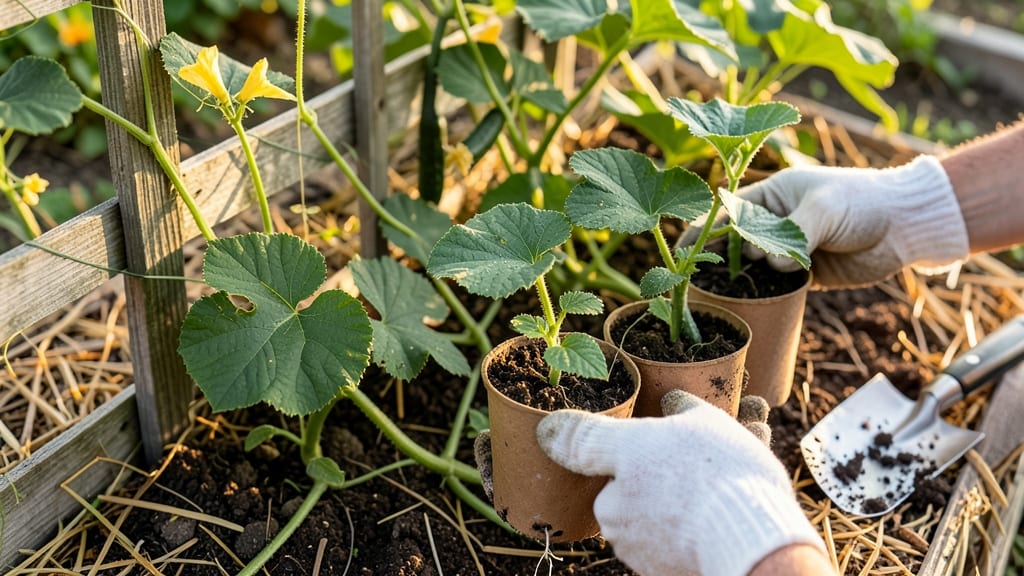
Planting cucumber seeds in Missouri at the wrong time can turn your garden dreams into bitter, bolted failures—but getting the timing right means sweet, vine-ripened harvests from June to September.
The key is waiting until after your last frost (usually mid-April) when soil temperatures hit at least 60°F, ensuring those 🥒 seeds sprout strong and healthy.
Missouri’s Zone 5b-6b climate means you’ve got a narrow window—typically mid-April to late May—to plant cucumbers without risking frost damage or heat stress. Whether you’re in St. Louis or Kansas City, the rules are the same: patience is your best friend.
Planting too early? Your cucumbers might bolt (flower prematurely) or wilt in cold soil.
Don’t worry if your spring is unpredictable—there are ways to extend your growing season. Use black plastic mulch to warm the soil faster or start seeds indoors 4-6 weeks before your last frost date.
And if you’re dreaming of a fall harvest, you can replant in late summer for a second round of crisp cucumbers.
Ready to grow? I’ll walk you through the exact deadlines, soil prep tips, and companion plants that’ll keep your cucumbers thriving all season long. Let’s get those seeds in the ground the right way!
Missouri cucumber planting deadlines by Zone 5-6: avoid bolting and heat stress
Missouri’s Zone 5b-6b climate means your cucumber seeds need precise timing to thrive. Plant too early, and cold soil or late frosts will stunt growth. Wait too long, and summer heat stress causes bitter fruit or poor yields.
The key is aligning your planting with soil temperatures and last frost dates, which vary slightly across the state.
For most of Missouri, aim to plant cucumber seeds 2-3 weeks after your average last frost date. In northern areas (like St. Louis or Columbia), this typically falls between mid-April and early May.
Southern regions (e.g., Springfield) can start slightly earlier, around late March to mid-April, provided soil temps stay above 55°F consistently.
Cucumbers are warm-season crops that despise cold. They won’t germinate well in soil below 60°F, and seedlings can’t tolerate temperatures below 50°F. Use a soil thermometer to confirm readiness—plant only when the ground stays above 60°F for at least 5 days.
This usually happens 1-2 weeks after your local last frost date.
Missouri’s frost-free growing season spans roughly 165 days, but cucumbers need only 55-70 days to mature. This means you can also squeeze in a fall harvest if you plant heat-tolerant varieties in late July or early August.
Just be prepared to protect seedlings with row covers or cold frames as temperatures drop.
Missouri’s microclimates add complexity. Urban areas like Kansas City may experience earlier soil warming due to pavement heat, while rural spots can stay cooler. Check your local USDA Plant Hardiness Zone map and adjust planting by 1-2 weeks based on your specific location’s frost history.
If you’re starting seeds indoors, begin 4-6 weeks before your last frost date to give seedlings a head start. Use grow lights to provide 12-16 hours of light daily—cucumbers need plenty of light to avoid leggy, weak seedlings.
Transplant outdoors only after hardening off for 7-10 days and when nighttime temps stay above 55°F.
For northern Missouri (Zone 5b), where springs are cooler, consider using black plastic mulch or straw bales to warm the soil faster. This can shave 1-2 weeks off your planting timeline.
In southern Missouri (Zone 6b), focus on shade cloth during extreme heat to prevent bolting—when plants flower prematurely due to stress.
Missouri’s summer heat can also stress cucumbers, especially in July and August. If temperatures exceed 90°F for prolonged periods, provide afternoon shade or use drip irrigation to keep roots cool. Varieties like ‘Straight Eight’ or ‘Lemon Cucumber’ handle heat better than standard slicing types.
Pro tip: Plant bush cucumber varieties (like ‘Bush Champion’) if space is limited—they mature faster and produce fruit 3-5 days earlier than vining types. This gives you a head start on the season and reduces the risk of late-summer bolting before frost.
Missouri cucumber planting deadlines by Zone 5-6: avoid bolting and heat stress
Missouri’s USDA Zones 5b-6b mean your cucumber seeds need precise timing to thrive. Planting too early risks frost damage or bolting (bitter cucumbers), while late planting may cut harvests short.
The key is waiting for soil temperatures of 60°F+ and all frost danger to pass—typically mid-April to late May in most areas.
St. Louis (Zone 6a) and Kansas City (Zone 5b) have slightly different last frost dates. St. Louis averages April 15th, while Kansas City often waits until May 1st.
Use a frost calculator or local weather alerts to pinpoint your exact window. For extended harvests, consider planting heat-tolerant varieties like 'Straight Eight' or 'Lemon Cucumber' in late summer.
| Zone | Last Frost Date | Planting Window | Soil Temp Threshold | Fall Planting Deadline |
|---|---|---|---|---|
| Zone 5b (Kansas City) | May 1 | Late April - Early May | 60°F+ | August 15 |
| Zone 6a (St. Louis) | April 15 | Mid-April - Late May | 60°F+ | August 30 |
| Zone 6b (Southeast MO) | April 1 | Early April - Late May | 60°F+ | September 1 |
To extend your growing season, use row covers or cold frames to plant 4-6 weeks earlier. For fall harvests, start seeds indoors in July and transplant after Labor Day. Choose short-season varieties like 'Bush Champion' (55 days) to ensure maturity before first frost (mid-October).
Missouri’s humid summers can stress cucumbers, so prioritize well-draining soil and trellising to improve airflow. Amend clay soil with compost or sand to prevent root rot. Mulch with straw to retain moisture and suppress weeds—critical during drought-prone July-August periods.
Pro tip: Test your soil temperature with a soil thermometer (available at garden centers). Cucumbers won’t germinate well below 55°F, even if air temps are warm. If your soil is still cold, cover beds with black plastic for 1-2 weeks to warm it up naturally.
For maximum yields, plant cucumbers in warmth-loving companion plants like beans, peas, or radishes. Avoid planting near potatoes or aromatic herbs (like dill), which can stunt growth. Space seeds 1 inch apart in hills, thinning to 2-3 plants per hill when they’re 2 inches tall.