
Plants
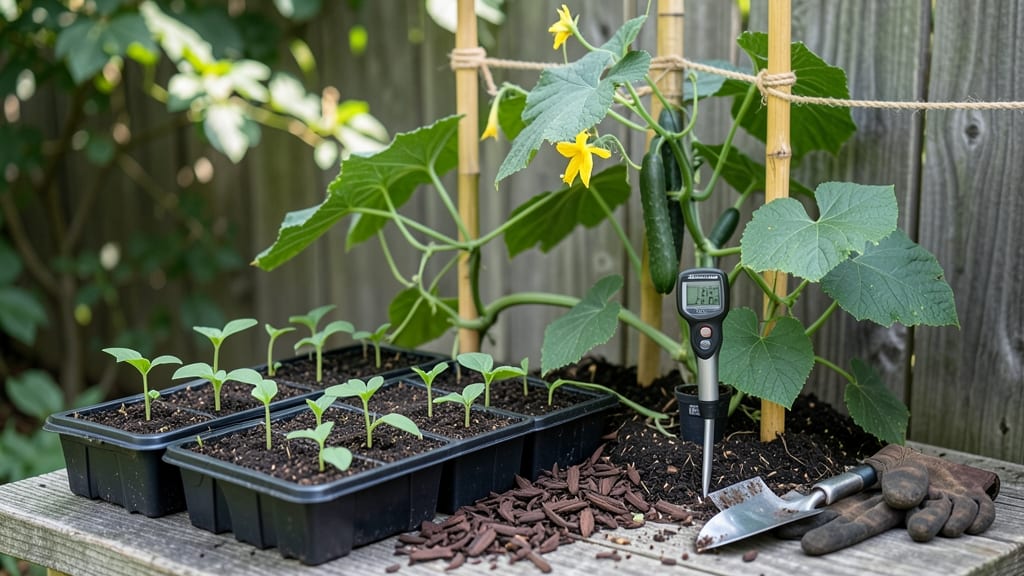
Timing cucumber 🥒 planting in Maine isn’t just about checking a calendar—it’s about mastering soil temperature triggers that make the difference between fast germination and wasted seeds. With USDA Zones 5b-6b and unpredictable frosts, even experienced gardeners get it wrong by planting too early or too late.
The key to success lies in waiting until your soil hits at least 60°F—not just air temperature—and nighttime lows stay above 50°F. That usually lands you in mid-May to early June, but coastal areas and inland microclimates can shift those dates by 2 weeks or more.
In this guide, I’ll break down how to read your soil’s readiness, choose cucumber varieties that thrive in Maine’s short season, and use simple tricks like row covers to stretch your harvest from July through September. No more guessing—just proven strategies for fast, reliable growth.
Whether you’re a first-time gardener or a veteran with frost-bitten memories, these insights will help you avoid the most common Maine cucumber mistakes and maximize your yield before the first frost hits in October.
Maine’s ideal cucumber planting dates by soil temperature (not calendar dates)
Forget relying on calendar dates—Maine’s soil temperature is the real planting trigger for cucumbers. These heat-loving plants won’t germinate until the soil reaches at least 50°F, but they thrive at 60°F or warmer.
In Maine’s USDA Zones 5b-6b, this typically means waiting until mid-May to early June, but coastal areas like Portland may warm up 1-2 weeks earlier than inland spots like Presque Isle.
Your last frost date is just the starting point—soil temperature varies more than air temperature. A soil thermometer ($10 at garden centers) is your best friend.
Stick it in the ground at 4-inch depth (where roots form) and check it daily. Northern Maine gardeners should wait until late May, while southern Maine can plant as early as early May in sheltered microclimates.
Here’s the golden rule: Don’t plant cucumbers until nighttime temperatures stay consistently above 50°F. Cold snaps after planting will stunt growth or kill seedlings. I’ve lost three batches of cucumbers in Maine by ignoring this rule—learn from my mistakes!
Use this soil temperature timeline as your guide:
- Below 50°F: Seeds rot or fail to germinate
- 50-59°F: Slow germination (3+ weeks)
- 60-69°F: Ideal germination (5-7 days)
- 70°F+: Fast germination (3-5 days) but watch for bolt risk in late summer
| Region | Soil Temp Trigger | Planting Window | Last Frost Date |
|---|---|---|---|
| Southern Maine (Portland, Kittery) | 55°F+ (early May) | Early to mid-May | Mid-April |
| Central Maine (Augusta, Waterville) | 60°F+ (late May) | Late May | Late April |
| Northern Maine (Presque Isle, Bangor) | 65°F+ (early June) | Early June | Early May |
| Coastal Microclimates (e.g., Boothbay) | 50°F+ (late April) | Late April (with frost protection) | Mid-April |
Pro tip: Warm your soil faster by covering beds with black plastic mulch 1-2 weeks before planting. This raises soil temperature by 5-10°F, giving you a 2-week head start.
I’ve seen cucumber seeds germinate in 3 days with this trick in late May when normal soil would still be chilly.
If you’re starting seeds indoors (4-6 weeks before last frost), use a heat mat to maintain 70-75°F soil temps. Transplant outdoors only after hardening off seedlings and when soil is warmer than 55°F.
Hardening off means acclimating seedlings to outdoor conditions over 7-10 days—place them in a shady, sheltered spot for increasing lengths of time each day.
For direct sowing (my preferred method), wait until you’ve had 3 consecutive days with soil temps above 60°F. Check your local Maine State Climate Office for historical frost data—their 30-year averages help predict your specific microclimate’s risks.
Remember: Cucumbers are annuals with a 90-day growing season from seed. Planting too late means small, bitter fruit before frost. In Maine, July is your prime harvest month, so time it right to avoid missing the window.
Best cucumber varieties for Maine’s short season and how to extend your harvest
Maine’s cool summers and short growing season demand cucumber varieties that mature quickly and tolerate cooler temperatures. I’ve grown ‘Straight Eight’ and ‘Marketmore 76’ with success—they thrive in USDA Zones 5b-6b and produce 55-60 days after planting.
For even faster results, try ‘Bush Champion’, a compact variety that matures in just 45 days and stays under 3 feet tall—perfect for small spaces or containers.
Cold-tolerant varieties like ‘Northern Pickling’ can handle 50°F nighttime temps, while ‘Lemon Cucumber’ adds a unique twist with its yellow fruit and 70-day maturity. If you’re experimenting, ‘Armenian’ cucumbers (also called snake melons) grow long and straight, making them ideal for trellises in Maine’s limited space.
My go-to for slicing? ‘Suyo Long’, a Japanese heirloom that resists powdery mildew—a common issue in Maine’s humid summers.
Pros & Cons: Extending Maine’s Cucumber Season
| Method | Pros | Cons |
|---|---|---|
| Row Covers | Protects from late frosts, warms soil faster, and deters pests. | Can overheat plants if not removed on hot days. |
| Black Plastic Mulch | Speeds up soil warming by 5-10°F, suppresses weeds, and retains moisture. | Requires early removal to avoid overheating roots. |
| Succession Planting | Extends harvest by 4-6 weeks with staggered plantings. | Demands space management and careful watering. |
| Cold Frames | Allows planting 2-3 weeks earlier and extends fall harvest. | Limited to small-scale gardens; requires monitoring. |
To maximize your harvest, combine succession planting with season-extending tools. Start your first batch in late May (after the last frost) and follow up with 2-week intervals until mid-July. Pair this with black plastic mulch to warm the soil and row covers for early or late plantings.
I’ve seen ‘Marketmore 76’ produce cucumbers until early October when using these methods—just remove covers during 75°F+ days to prevent overheating.
For container gardening, opt for bush varieties like ‘Bush Champion’ or ‘Spacemaster’, which thrive in 5-gallon pots with trellis support. Place containers in south-facing spots and use self-watering systems to maintain consistent moisture. My 5-gallon grow bags produced 20+ cucumbers last summer with minimal effort!
Don’t overlook vertical gardening—trellises save space and improve air circulation, reducing disease risk. I use 6-foot bamboo trellises for ‘Straight Eight’, which trains vines upward and keeps fruit off damp soil.
This also makes harvesting easier and keeps cucumbers cleaner. For shady spots, choose ‘Sweet Success’, a partial-shade-tolerant variety that matures in 60 days.
Pro tip: Harvest consistently to encourage more production. Cucumbers left on the vine compete for energy with new growth. I pick every 2-3 days during peak season, storing them in the fridge to extend shelf life for up to 10 days.
This keeps my plants productive until frost threatens, often pushing harvests into late September.