
Plants
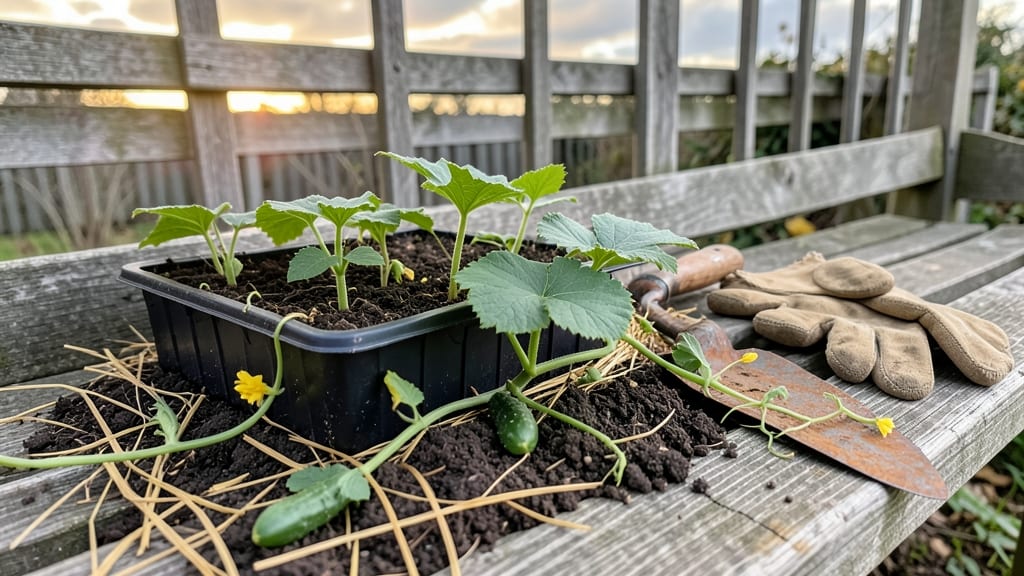
Timing your 🥒 cucumber planting in North Florida could mean the difference between a thriving vine and a sad, wilted disappointment.
With the region's unpredictable spring rains and scorching summers, knowing the perfect windows—mid-February to mid-March for spring and late July to early August for fall—isn't just helpful, it's essential for success.
Why does this matter? Because cucumbers in zones 8a-9b need warm soil and steady temperatures to really take off. Plant too early, and you risk frost damage; too late, and the heat can stress your plants before they even get a chance to grow.
I've learned the hard way that patience pays off—waiting for soil to hit 60°F makes all the difference.
What you'll discover here are the exact planting strategies that work in North Florida, from choosing heat-tolerant varieties to preparing your soil for maximum yields. We'll also tackle common pitfalls like pests and diseases that love to crash your harvest party.
Ready to grow cucumbers that actually thrive? Let's dive into the secrets that'll have you picking fresh, crisp 🥒 cucumbers all season long—without the guesswork.
Best planting times for cucumbers in North Florida’s climate zones
North Florida’s USDA zones 8a-9b offer two prime windows for growing cucumbers: spring and fall. The key is avoiding the brutal summer heat and late-season humidity that invite fungal diseases.
For most of North Florida—including Jacksonville, Gainesville, and Tallahassee—your best bet is planting in mid-February to mid-March for a spring harvest or late July to early August for a fall crop.
Timing isn’t one-size-fits-all, though. Coastal areas like Jacksonville can plant slightly earlier (late January) thanks to milder winters, while inland zones like Gainesville should wait until mid-March to avoid late frosts.
In Tallahassee’s cooler microclimate, aim for early February for spring planting. Always check your local last frost date—typically mid-March—and wait 2-3 weeks after to plant.
Here’s why these windows work: cucumbers thrive in 60-95°F soil temperatures and need consistent warmth. Spring planting lets you harvest before summer’s 90°F+ heat stresses plants, while fall planting avoids the worst humidity spikes. Black plastic mulch can help warm soil faster if you’re eager to start earlier.
One common mistake? Planting too late in spring and watching vines wilt under July’s 95°F+ afternoons. Or worse, starting seeds indoors too soon—cucumbers hate transplant shock and prefer direct sowing when soil is warm.
If you’re in a rush, use heat-tolerant varieties like ‘Straight Eight’ or ‘Southern Sweet’ for a slightly extended window.
| Zone & Location | Spring Planting Window | Fall Planting Window | Key Consideration |
|---|---|---|---|
| Jacksonville (Zone 8b) | Late January – Early March | Late July – Early August | Coastal warmth allows earlier starts; watch for hurricane season delays. |
| Gainesville (Zone 8a) | Mid-February – Mid-March | Late July – Early August | Inland frost risk; use row covers for early plants. |
| Tallahassee (Zone 8a) | Early February – Early March | Early August – Mid-August | Cooler nights; prioritize disease-resistant varieties. |
| Panhandle (Zone 8b-9a) | Mid-February – Late March | Late July – Early September | Longer growing season; extend fall into October with protection. |
For container gardening in North Florida, you can push these windows slightly. Containers warm up faster in spring, so start seeds indoors in late January and transplant after last frost.
Just ensure pots are at least 12 inches deep—cucumbers need room for roots. In fall, containers also let you harvest later, as they cool down faster than in-ground beds.
Pro tip: Use a soil thermometer to confirm soil temps are 60°F+ before planting. Cold soil delays germination, and cucumbers won’t thrive below 55°F. If your soil is slow to warm, try black plastic mulch or a cold frame to jumpstart growth.
This is especially critical in Gainesville’s cooler inland areas.
North Florida’s humidity and summer pests (like cucumber beetles) are your biggest enemies. Planting in late July for fall crops lets you harvest before beetle populations explode in August and September. Pair your planting with row covers or neem oil sprays to give seedlings a fighting chance.
Finally, don’t forget about succession planting. In spring, sow a second batch 2-3 weeks after your first planting to stagger harvests.
This works especially well in Jacksonville’s longer growing season, where you might even squeeze in a third planting in early June for a late-summer harvest before the heat peaks.
Best planting times for cucumbers in North Florida’s climate zones
North Florida’s USDA Zones 8a-9b offer two prime windows for growing cucumbers—spring and fall—when temperatures are mild enough for healthy growth. Spring planting begins after the last frost (mid-March), while fall planting occurs in late July to early August to avoid summer’s brutal heat.
Timing matters because cucumbers thrive in 60-90°F soil temperatures and struggle when daytime highs exceed 90°F for extended periods.
Your exact location within North Florida also plays a role. Coastal areas like Jacksonville experience milder winters and longer growing seasons, while inland cities like Tallahassee face earlier frosts and hotter summers.
For example, Jacksonville’s last frost is mid-February, while Tallahassee’s is mid-March. Adjust your planting schedule accordingly to maximize your harvest window.
Here’s a quick comparison of ideal planting times across North Florida’s key regions:
| Region | Spring Planting Window | Fall Planting Window | Key Consideration |
|---|---|---|---|
| Jacksonville (Zone 8b) | Mid-February to early March | Late July to early August | Humidity peaks in summer; use shade cloth |
| Gainesville (Zone 8a) | Late February to mid-March | Early August to mid-August | Hotter summers; plant heat-tolerant varieties |
| Tallahassee (Zone 8a) | Mid-March to early April | Late July to early August | Longer frost-free season; extend fall harvest |
For both planting windows, aim to have cucumbers established and producing fruit before summer’s peak heat (June-August) or fall’s early frosts (November). In spring, direct-sow seeds 2 weeks after your last frost date when soil temps hit 60°F.
For fall, start seeds indoors 6-8 weeks before transplanting to give them a head start against shortening days.
Pro tip: Use black plastic mulch to warm soil faster in spring or straw mulch to retain moisture during fall’s cooler nights. Both tricks help cucumbers establish roots quickly, which is critical in North Florida’s sandy, fast-draining soils. Just
If you’re eager for a summer harvest, consider heat-tolerant varieties like ‘Straight Eight’ or ‘Marketmore 76,’ which can handle 90°F+ temperatures better than traditional types. However, even these varieties will perform best if given afternoon shade during the hottest months. A simple shade cloth (30-50%) can make a world of difference in fruit quality and yield.
Finally, keep an eye on your local Florida Automated Weather Network (FAWN) stations for real-time soil and air temperature data.
These tools help you fine-tune planting times based on microclimates in your specific neighborhood—because even within a city, a backyard near a lake may stay cooler than one on a hillside.