
Plants
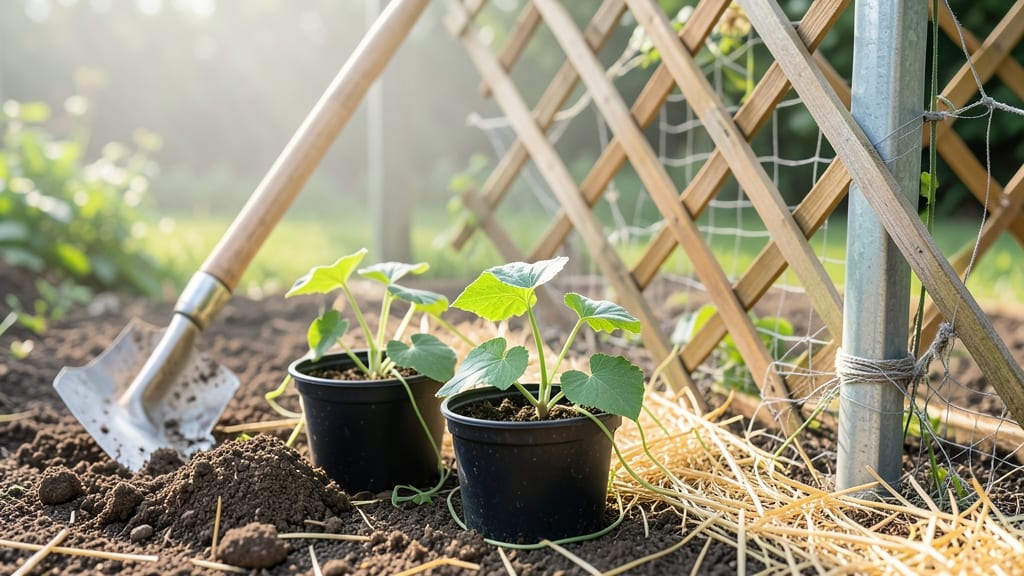
Planting cucumbers in Pennsylvania at the wrong time can mean the difference between a bountiful harvest and a sad, frost-bitten vine. With the state's diverse microclimates—from Pittsburgh's cooler hills to Philadelphia's humid valleys—getting the timing right is the key to success.
I'll show you exactly when to plant those 🥒 seeds for maximum yield, whether you're in USDA Zone 5 or 7.
Most Pennsylvania gardeners wait until after the last frost date, but that's just the start. The real secret lies in soil temperature—cucumbers need warm earth to germinate properly, and I'll break down how to test it like a pro.
We'll also cover how to extend your growing season with simple tricks that work in PA's unpredictable climate.
If you've ever planted cucumbers too early and watched them wilt in the cold, or too late and missed the sweet spot of summer heat, you're not alone.
I'll walk you through the exact planting windows for different regions, plus common mistakes that even experienced gardeners make. Let's make this your most productive cucumber season yet.
From Philadelphia's urban gardens to rural farms in the Poconos, these tips will help you time your planting perfectly. Whether you're a beginner or a seasoned grower, you'll learn how to beat frost, maximize your harvest, and enjoy homegrown cucumbers all summer long.
Pennsylvania’s frost-free dates & ideal cucumber planting windows by region
Pennsylvania’s diverse climate—spanning USDA Zones 5–7—means your cucumber planting timeline depends heavily on location. Whether you’re in Pittsburgh’s cooler hills, Philadelphia’s humid suburbs, or Erie’s lakeshore breezes, knowing your region’s last frost date is critical.
Most of PA experiences its final spring frost between April 15 and May 15, but rural areas can run 1–2 weeks later than cities.
For southern PA (Zone 7), like Philadelphia and Lancaster, you can start cucumbers outdoors as early as mid-April under row covers. Meanwhile, northern PA (Zone 5), including Erie and Scranton, should wait until after May 10 to avoid frost damage.
Microclimates near bodies of water (like Lake Erie) may have earlier frost-free windows due to moderating lake effects.
Here’s how to pinpoint your planting window: Check the National Weather Service’s frost calendar for your county, then add 2–3 weeks of buffer time. For example, if your last frost is May 1, aim to plant cucumbers by May 15 to ensure vines establish before summer heat arrives.
Cucumbers thrive in warm soil (60°F+), so even if frost risk is low, cold soil will stall germination. Use a soil thermometer to confirm temperatures—wait until readings hit 70°F for optimal growth. In cooler zones, consider starter plants instead of seeds to shave critical weeks off your timeline.
If you’re eager to harvest early cucumbers, try succession planting every 2 weeks until July 1. This ensures a steady supply while accounting for PA’s unpredictable late frosts.
For example, plant a batch on May 15, another on June 1, and a final one on June 15 to cover your entire growing season.
For late-season extensions, use row covers or cold frames to protect vines until the first frost (typically October 15–November 1). Varieties like ‘Straight Eight’ or ‘Marketmore’ are ideal for PA’s climate—they mature quickly (60–70 days) and tolerate heat better than delicate varieties.
Pro tip: Mark your calendar for Penn State Extension’s frost alerts or use a frost-free date calculator like the one from the Old Farmer’s Almanac. These tools adjust for local variations, like urban heat islands or valley frosts, giving you precision planting dates tailored to your backyard.
Remember, cucumbers are warm-season crops, so rushing them in cool soil leads to poor germination or blossom-end rot. Patience pays off—wait for consistent 70°F soil temps and you’ll reward yourself with vines laden with crisp, homegrown cucumbers by early summer.
Soil temperature & cucumber seed germination: what to watch in PA’s spring
Pennsylvania’s spring soil can be a chilling surprise for cucumber seeds. Unlike frost-sensitive plants, cucumbers need warm soil to germinate—50°F+ is the minimum, but 70°F+ ensures vigorous growth. If you plant too early, seeds may rot in cold, damp soil, wasting your time and resources.
Use a soil thermometer to check temperatures before planting. In most of PA, soil reaches 50°F by late April in southern regions like Philadelphia, but northern areas like Erie may wait until early May. Patience here pays off—rushing leads to stunted vines and poor yields.
Here’s how to test your soil warmth: Stick the thermometer 2-3 inches deep (where roots will grow) and wait 10 minutes for an accurate reading. Morning readings are best—soil cools overnight, so afternoon warmth might mislead you.
🌱 Key Takeaways for PA Cucumber Planting
- 🌡️ Soil Temp Threshold: 50°F+ for germination, 70°F+ for growth
- 📅 PA Timing: Late April (south) to early May (north)
- 🔥 Extend Season: Use row covers or cold frames for 2-3 weeks earlier
- ❄️ Frost Risk: Avoid planting before last frost date (check local data!)
Pro tip: Black plastic mulch warms soil 5-10°F faster than bare earth!
If your soil isn’t warm enough by the ideal window, don’t despair! Row covers or cold frames can give cucumbers a head start. These protective layers trap heat and shield young plants from late spring frosts, which are common in PA’s unpredictable climate.
I’ve had success using lightweight floating row covers to plant 2-3 weeks earlier than the frost-free date.
For container growers, black pots absorb heat better than traditional containers. Place them on south-facing decks or near dark-colored surfaces to boost soil warmth. Just remember: containers dry out faster, so monitor moisture closely—cucumbers need consistent hydration to thrive.
One common mistake is relying on air temperature instead of soil temperature. A 70°F afternoon might feel perfect, but if the soil is still 45°F, your seeds will struggle.
Always check the soil, not just the thermometer outside. This simple step can mean the difference between healthy vines and failed germination.
Once your soil hits that 70°F sweet spot, cucumbers will sprout within 5-10 days. Keep an eye on your plants—thin seedlings to 12 inches apart to prevent overcrowding, which invites disease and pests.
With the right timing and soil prep, you’ll be harvesting crisp, homegrown cucumbers in 75-90 days!