
Plants
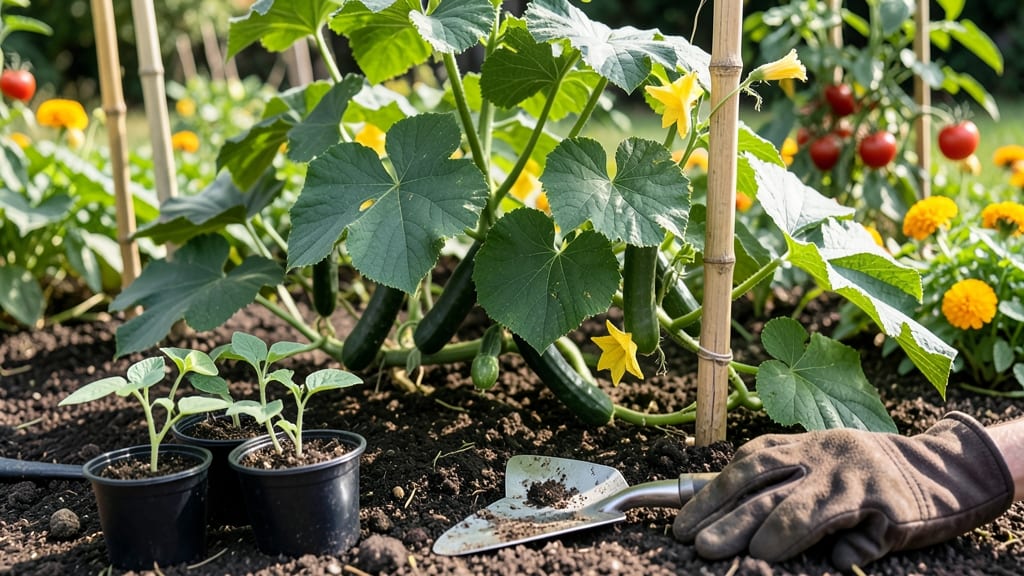
If you’ve ever watched your cucumber plants 🥒 bolt into flower before producing a single fruit, you know timing is everything in South Florida’s relentless heat.
The key to avoiding this common pitfall isn’t just picking a month—it’s mastering the art of planting when soil temperatures hit 60°F+ and choosing varieties that thrive in 10a-11 zones.
Here’s the game-changer: staggered planting year-round lets you dodge bolting by aligning harvests with cooler transitions, like late summer or early fall. But even then, humidity and pests mean you can’t just set seeds and forget them—soil prep and heat-tolerant picks make all the difference.
I’ll break down the exact months to start seeds or transplants, plus the top 5 heat-resistant cucumbers that actually perform in Florida’s climate. Skip the guesswork and learn how to outsmart the heat for a steady harvest.
Ready to grow cucumbers that last? Let’s dive into the strategies that’ll keep your vines productive—no matter how hot it gets.
Optimal planting months for cucumbers in South Florida’s climate zones (8A-10A)
South Florida’s frost-free climate means you can grow cucumbers year-round, but timing is everything to avoid bolting or poor yields. The key is planting when soil temperatures hit 60°F+ and aligning with seasonal humidity shifts.
Unlike northern climates, we don’t wait for spring—we strategize around heat tolerance and rainfall patterns.
Most gardeners make two critical mistakes: planting too early in winter (when cool nights slow growth) or waiting until June (when July’s heat crashes crops). Instead, stagger plantings every 2-3 weeks from January through October for continuous harvests.
This approach lets you capitalize on Florida’s two growing seasons: a cooler fall-winter phase and a hotter spring-summer phase.
Here’s how to break it down by USDA zones 8A-10A, which cover South Florida’s microclimates from Miami to Naples. Zone 10A (farthest south) has the longest growing window, while Zone 8A (northern areas like Palm Beach) may need slight adjustments for early/late seasons.
🌱 PRO TIP: Use a soil thermometer to confirm 60°F+ before planting. In Zone 8A, this often means waiting until late February for winter plantings, while Zone 10A can start as early as January. Black plastic mulch can warm soil by 5-10°F, letting you plant 2-3 weeks earlier in cooler months.
Now, let’s dive into the exact planting windows and seasonal strategies tailored to South Florida’s unique conditions.
| Season | Zone 8A (Palm Beach) | Zone 9A (Broward) | Zone 10A (Miami) | Key Notes |
|---|---|---|---|---|
| Winter (Jan-Mar) | Late Feb - Early Mar | Jan - Early Feb | Jan | Use row covers for cooler nights; avoid overwatering. |
| Spring (Apr-Jun) | Mar - May | Feb - Apr | Jan - Mar | Peak season; trellis vines to save space. |
| Summer (Jul-Sep) | Aug - Sep | Jul - Aug | Jun - Jul | Use shade cloth (30-50%) to prevent bolting. |
| Fall (Oct-Dec) | Sep - Nov | Aug - Oct | Jul - Sep | Ideal for heat-tolerant varieties like Straight Eight. |
Notice how Zone 10A (Miami) can plant year-round, while Zone 8A (Palm Beach) has tighter windows in winter and summer. This difference is due to microclimates—coastal areas stay warmer longer, while inland spots like Fort Lauderdale can experience sudden heat spikes.
Always check 7-day forecasts before planting in June or July, as 90°F+ days can trigger bolting within 10 days.
For continuous harvests, I recommend a 3-phase planting schedule:
Optimal planting months for cucumbers in South Florida’s climate zones (8A-10A)
South Florida’s frost-free climate means cucumbers can grow year-round, but timing is everything to avoid bolting or poor yields. The key is planting when soil temperatures hit 60°F+—a threshold most varieties need to thrive.
In USDA Zones 8A-10A, this translates to staggered plantings every 2-3 weeks to keep your harvests rolling.
Most gardeners in South Florida focus on two main planting windows: early spring (February-March) and late summer (August-September). However, with the right heat-tolerant varieties and soil prep, you can extend your season even further.
The trick is to avoid the July-August heat crash, when temperatures often exceed 90°F+ and humidity spikes, stressing plants.
🌱 Soil temperature is your best guide—not the calendar. Use a soil thermometer to confirm readiness. For cooler months (December-January), opt for row covers or black plastic mulch to warm the soil faster. In contrast, summer plantings should focus on shade cloth to protect young seedlings from intense sun.
| Season | Planting Window | Soil Temp Threshold | Key Strategy |
|---|---|---|---|
| Early Spring | February-March | 60°F+ | Use black plastic mulch |
| Late Summer | August-September | 65°F+ | Shade cloth for seedlings |
| Fall/Winter | October-November | 60°F+ | Row covers for cooler nights |
| Year-Round | Staggered | 60°F+ | Drip irrigation + mulch |
For direct sowing, aim for March-April or September-October to align with natural rainfall patterns. If transplanting seedlings, start them indoors 4-6 weeks before your target outdoor date.
My go-to method is to use biodegradable pots for transplants—this reduces shock and encourages faster root establishment in South Florida’s sandy, fast-draining soils.
One common mistake is planting too late in spring, when temperatures spike suddenly. To combat this, I always have a batch of shade cloth ready to throw over new seedlings until they’re established. In summer, the opposite is true—you’ll need to harden off seedlings gradually to avoid sunburn.
Pro tip: Morning watering is non-negotiable in South Florida’s heat—it keeps roots cool and reduces fungal risks like powdery mildew.
Don’t overlook companion planting as a timing hack. Pairing cucumbers with radishes, beans, or nasturtiums can improve soil structure and deter pests, giving you a 2-3 week head start on growth.
And if you’re growing near tomatoes, space them 3 feet apart to prevent disease spread—this is especially critical in South Florida’s humid climate.