
Plants
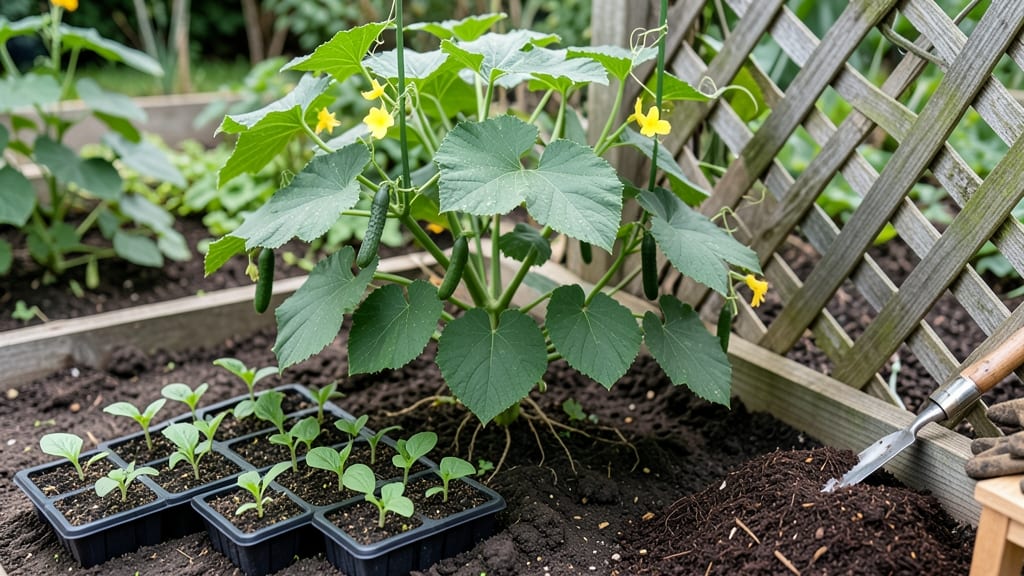
Timing your cucumber planting in Zone 6a isn’t just about checking the calendar—it’s the difference between a garden full of crisp, homegrown 🥒 and bitter, bolted plants. Get it wrong, and you’ll waste seeds, space, and your summer patience.
Most gardeners in Zone 6a wait until after the last frost (usually late April to early May), but that’s only half the battle. Your soil needs to be warm—at least 60°F—to prevent those delicate seedlings from turning into sad, leggy failures.
Here’s the good news: with the right approach, you can stretch your growing season and avoid the heartbreak of early bolting. I’ll show you exactly when to plant, how to adjust for late starts, and which cucumber varieties thrive in Zone 6a’s shorter summers.
Ready to turn your garden into a cucumber powerhouse? Let’s dive into the perfect planting windows and the secrets that keep your 🥒 happy until frost.

Zone 6A cucumber planting dates: frost & soil temperature guide
In Zone 6A, timing your cucumber planting is critical to avoid premature bolting or frost damage. The last frost date typically falls around April 15, but soil temperature matters more than the calendar.
Cucumbers need soil temps of 50°F+ to germinate and 60°F+ for optimal growth—waiting for these conditions prevents wasted seeds and stunted plants.
Your microclimate plays a huge role. Urban areas may warm faster than rural spots, so check local weather patterns. For example, Appalachian regions often stay cooler longer than Midwest plains. Use a soil thermometer ($10 at garden centers) to confirm readiness—this simple tool saves hours of guesswork.
Here’s the golden window for planting cucumbers in Zone 6A:
If you’re late to plant, don’t panic. Opt for heat-tolerant varieties like ‘Straight Eight’ or ‘Marketmore,’ which mature in 55–60 days. These can handle Zone 6A’s short season better than slower varieties.
For extra insurance, plant near a south-facing wall or use black plastic mulch to warm the soil faster.
Pro tip: Test your soil 2 weeks before planting. If it’s still below 50°F, delay sowing or use a cold frame. Overplanting in cool soil leads to damping off (a fungal disease that kills seedlings).
Avoid planting cucumbers before May 1 unless you’re using row covers. Early starts often result in bolted plants (tall, flower-heavy, but no fruit). Instead, mark your calendar for late May—this is when most Zone 6A gardeners see the best success rates.
For succession planting, make a second sowing in early July to extend your harvest into September. This works especially well in Midwest regions where summers are long. Just remember: stop planting by July 15 to give cucumbers time to mature before the first frost (usually October 15).
If you’re in Appalachia or the Northeast, aim for early June planting—cooler nights delay soil warming. Monitor your local weather station for frost advisories and have row covers ready to protect young plants if temperatures dip unexpectedly.
Finally, track your progress with a garden journal. Note when soil hits 60°F, when seedlings emerge, and when you harvest the first cucumber. This data helps you refine your planting schedule for next year—because in Zone 6A, every day counts!
Zone 6A cucumber planting dates: frost & soil temperature guide
In Zone 6a, your cucumber planting success hinges on two critical factors: last frost dates and soil temperature. The average last frost typically falls around April 15, but waiting until late April to early May ensures your soil has warmed enough to support germination.
Cold soil (below 50°F) stunts growth, while temperatures below 60°F can trigger bolting—when plants flower and fruit prematurely.
Your exact planting window depends on your microclimate. Coastal areas may warm faster than inland regions, while higher elevations in Zone 6a (like parts of Appalachia) often experience later frost dates.
For example, Midwest gardeners might plant by May 1, while Appalachian growers could start as late as May 15 without risking frost damage.
🌱 Pro Tip: Use a soil thermometer to confirm your garden bed has reached 60°F+ before planting. If your soil is still chilly, opt for row covers or a cold frame to create a warmer microclimate for early starts.
Zone 6A Cucumber Planting Comparison
| Region | Last Frost Date | Ideal Planting Window | Soil Temp Threshold | Notes |
|---|---|---|---|---|
| Midwest (e.g., Ohio, Indiana) | April 15–May 1 | Late April–early May | 60°F+ | Use black plastic mulch to warm soil faster. |
| Appalachia (e.g., West Virginia) | May 1–May 15 | Mid-May | 65°F+ | Higher elevations delay planting; opt for cold-hardy varieties. |
| Great Lakes (e.g., Michigan) | April 30–May 10 | Early May | 60°F+ | Lake-effect microclimates may allow earlier planting near water. |
If you miss the primary planting window, don’t panic—succession planting can extend your harvest. Sow a second batch in early July for a late-summer crop, but choose fast-maturing varieties (50–55 days to harvest) to avoid frost.
For example, ‘Bush Champion’ or ‘Straight Eight’ are reliable choices for delayed starts.
🌡️ Warning: Planting too early (before soil hits 50°F) risks seed rot or damping-off disease. If your soil is slow to warm, try starter plants instead of seeds—they’ll establish faster in cooler conditions.
For container gardeners, warm soil is even more critical since pots cool faster. Use heat-retaining containers (like fabric grow bags) and place them in sunny, sheltered spots to maintain consistent warmth.
With the right timing, you can enjoy fresh cucumbers from July through September—just in time for summer salads and pickling!