
Plants
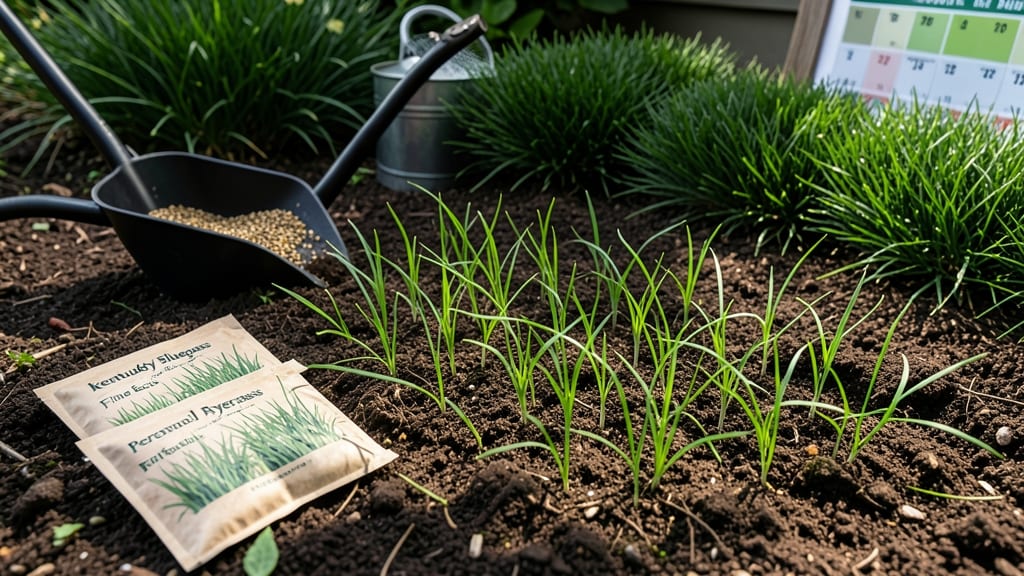
Knowing when it's too late to plant grass seed in Massachusetts can save you from a patchy, weak lawn—or worse, wasted money. With frost creeping in by October, timing is everything, especially in zones 5b-6b where late plantings often struggle to establish before winter.
Most gardeners assume early fall is their last chance, but the truth is more nuanced. Planting too close to the first frost (usually mid-October) leaves your 🌱 grass seed vulnerable to cold snaps and poor root development.
The key is understanding your specific zone’s deadlines and how to push the envelope safely.
In this guide, I’ll break down the exact cutoff dates for your region, plus proven strategies to extend your planting window. Whether you’re dealing with thin patches or a brand-new lawn, these tips will help you decide: Is it worth the risk, or should you switch to overseeding or sod?
Let’s dive into the science—and save your lawn before winter sets in.
Massachusetts last safe grass seed planting dates by USDA Zone (2024 guide)
If you're staring at a patchy lawn in Massachusetts and wondering whether to plant grass seed, timing is everything. The last safe window depends on your USDA zone—whether you're in Zone 5b (northern MA) or Zone 6a (southern MA).
Planting too late risks weak germination, winter damage, or wasted seed, while getting it right ensures a lush lawn by next spring.
For most of Massachusetts, the ideal grass seed planting window spans from early spring to early fall. However, the cutoff dates shift based on soil temperatures and frost risks. In Zone 5b, you have slightly less time than in Zone 6a due to earlier frosts.
Let’s break it down by zone to help you decide whether it’s still worth seeding your lawn.
🌱
📅 Last Safe Grass Seed Planting Dates in Massachusetts
| Zone | Last Safe Planting Date | Soil Temp Threshold | Root Establishment Window |
|---|---|---|---|
| Zone 5b (Northern MA: Worcester, Springfield, North Shore) | Mid-September (latest) | 50°F+ (consistently) | 6-8 weeks before first frost (by October 15) |
| Zone 6a (Southern MA: Boston, Cape Cod, Providence) | Late September (latest) | 50°F+ (consistently) | 6-8 weeks before first frost (by October 25) |
| Both Zones | Early October (push it) | 55°F+ (minimum) | Risk of frost damage; germination slows |
In Zone 5b, the absolute latest you should plant grass seed is mid-September. By this time, soil temperatures are still warm enough (above 50°F) to encourage germination, but you’re racing against the clock.
Grass seed needs 6-8 weeks to establish roots before winter sets in—so if you plant after October 15, your lawn may struggle to survive the cold.
For Zone 6a, you have a slightly longer window, with late September being the cutoff. Here, the first frost typically arrives around mid-October, giving you extra time to plant.
However, pushing it to early October is risky unless you’re using cool-season grasses like tall fescue or Kentucky bluegrass, which tolerate cooler temperatures better.
If you’re in Zone 5b and it’s already October, your best bet is to overseed with winter ryegrass or switch to sod for a quicker solution.
In Zone 6a, you might still have time for grass seed, but only if you’re prepared to protect seedlings from frost with row covers or mulch.
🌿
One critical factor to watch is soil temperature. Grass seed won’t germinate well if the soil is below 50°F. Use a soil thermometer to check—if temperatures dip consistently below this, hold off on planting.
In Massachusetts, soil temps start dropping in late September, so act fast if you’re on the fence.
Another key consideration is grass seed variety. Cool-season grasses like tall fescue and perennial ryegrass are hardier and can handle later plantings, while warm-season grasses like Bermuda or Zoysia are a no-go in Massachusetts—they won’t survive our winters. Stick to cool-season blends for fall planting.
If you’re planting in late September, prioritize preparation. Clear debris, loosen soil, and add compost to improve drainage. After sowing, water daily until germination occurs (usually 7-21 days, depending on the variety). Once sprouts appear, reduce watering to 2-3 times per week to encourage root growth.
✂️
For those in Zone 5b, if it’s already October, don’t waste money on grass seed. Instead, consider overseeding with winter ryegrass or laying sod for an instant lawn.
In Zone 6a, you might still pull off a successful seeding, but be prepared to protect seedlings with frost cloth if temperatures drop unexpectedly.
Remember: The earlier you plant, the stronger your lawn will be by spring. If you’re unsure, check with your local Cooperative Extension office for zone-specific advice. They can provide real-time soil temperature data and frost forecasts tailored to your area.
Signs your grass seed planting is too late (and what to do instead)
If you're planting grass seed in Massachusetts after mid-October, your lawn may struggle to establish strong roots before winter. One of the first warning signs is slow germination—sprouts taking longer than 3 weeks to appear.
This often means the soil is too cold (below 50°F) for seeds to sprout properly.
Another red flag is patchy growth where some areas sprout while others remain bare. This happens when seeds dry out too quickly or don’t get enough consistent moisture in cooler fall temperatures. Even with daily watering, late plantings can’t compete with fall frost risks that kill tender young shoots.
🌱 Fungal risks also spike in late-season plantings. Damp, cool soil combined with overwatering creates perfect conditions for disease like brown patch or snow mold. If you notice yellowing grass or slimy soil, your seeds are fighting an uphill battle against winter pathogens.
⚠️ Late Planting Warning Signs
- No sprouts after 3 weeks → Soil too cold or seeds dormant
- Patchy, uneven growth → Inconsistent moisture or poor seed contact
- Yellowing or slimy soil → Fungal infection from overwatering
- Weeds outcompeting grass → Seeds can’t establish before winter
Action: Switch to overseeding with winter ryegrass or sod installation for faster results.
If you’ve already planted and see these signs, don’t panic. Instead of wasting money on failed grass seed, consider overseeding with winter ryegrass, which germinates faster in cool weather.
This temporary solution buys time until spring when you can replant perennial grasses like Kentucky Bluegrass or Tall Fescue.
For immediate results, sod installation is your best bet after mid-October. Sod establishes roots quickly (2-3 weeks) and won’t be phased by early frost. It’s pricier upfront ($0.50–$1.50 per sqft), but it’s a guaranteed green lawn by spring—no waiting for germination.
🌿 Pro tip: If you’re on the fence, test your soil temperature with a soil thermometer. Plant only if it’s above 50°F consistently for 5+ days. Otherwise, wait until spring 2025 for your best shot at a thick, healthy lawn.