
Plants
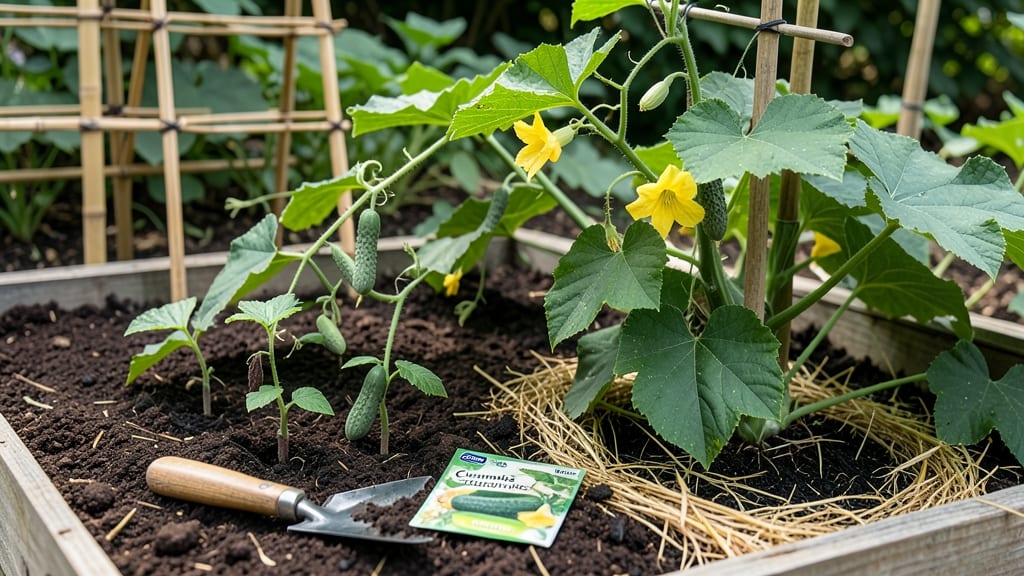
Timing your cucumber planting in Zone 7A is the secret to avoiding bitter fruits and maximizing your harvest—because even the hardiest 🥒 plants need the right conditions to thrive. Most gardeners in your area miss the sweet spot between last frost and scorching summer heat, leading to stunted vines or wasted effort.
Here’s the game-changer: Plant your cucumbers 2-3 weeks after your average last frost date (around April 15 in Zone 7A), when soil temperatures hit at least 60°F.
But there’s more—late July is your backup window for a fall harvest, ensuring you don’t miss out on crisp, homegrown 🥒 all season long.
In this guide, I’ll break down the exact weeks to plant, how to prep your soil for peak growth, and the best varieties for your climate.
Whether you’re a first-time gardener or a seasoned pro, these tips will help you avoid common mistakes and enjoy a bountiful harvest from June through October.
Ready to transform your garden into a cucumber powerhouse? Let’s get started with the science-backed schedule that works for Zone 7A—no guesswork, just results.

Exact weeks before last frost to plant cucumbers in zone 7A for maximum yield
In Zone 7A, cucumbers thrive when planted at the right time—2-3 weeks before your average last frost date (typically mid-April). This timing ensures warm soil (60°F+) and avoids cold snaps that stunt growth.
I’ve learned the hard way: planting too early leads to bitter cucumbers, while waiting too long cuts harvest time short.
Your last frost date in Zone 7A usually falls around April 15, but exact dates vary by microclimate. Check local frost charts or use the USDA Plant Hardiness Zone Map for precision.
For example, if your last frost is April 20, aim to plant by April 5-10 for ideal conditions.
Cucumbers are warm-season crops that despise cold soil. If you plant when soil temps are below 55°F, seeds rot or seedlings wilt. Use a soil thermometer to confirm readiness—60°F+ is the sweet spot for germination and growth.
Here’s my foolproof schedule for Zone 7A cucumbers:
| Stage | Action | Notes |
|---|---|---|
| Soil Prep | Test soil pH (6.0-6.8) | Add compost for fertility |
| Planting Window | 2-3 weeks before last frost | Typically April 5-15 |
| Soil Temp | Wait for 60°F+ | Use row covers if needed |
| Direct Sowing | 1 inch deep, 2-3 seeds | Thin to 1 plant per hill |
| Transplanting | Hardened seedlings | Avoid shocking roots |
For direct sowing, plant seeds 1 inch deep in hills spaced 3-4 feet apart. This gives vines room to sprawl and reduces disease spread. I swear by ‘Straight Eight’ and ‘Marketmore’ for Zone 7A—they mature in 50-60 days, ensuring a harvest before summer heat peaks.
If your spring is unpredictable, use row covers or a mini greenhouse to extend the season. These protect seedlings from late frosts while letting in sunlight. I’ve saved entire plantings this way when temperatures dipped into the 40s°F unexpectedly.
Heatwaves can also derail your cucumber plans. If temps exceed 90°F for weeks, vines slow down or produce bitter fruit. To combat this, provide afternoon shade with shade cloth (30-50% coverage) and mulch heavily to keep roots cool.
Don’t forget about fall planting! In Zone 7A, you can sow a second crop in late July for a harvest in September-October. Choose heat-tolerant varieties like ‘Southern Sweet 100’ and plant in a north-facing spot to avoid scorching.
Pro tip: Mark your calendar for June 15—this is when I start succession planting every 2 weeks to ensure a continuous supply. By staggering plantings, I avoid the “all-at-once harvest” trap and enjoy cucumbers from July through September.
Exact weeks before last frost to plant cucumbers in zone 7A for maximum yield
In Zone 7A, your cucumber planting window isn’t just about avoiding frost—it’s about aligning with soil temperatures of 60°F+ and 1,200+ growing degree days.
The ideal time to plant is 2-3 weeks after your average last frost date (April 15), typically landing you in late April to early May. This timing ensures your vines establish roots before summer’s heat peaks, leading to sweeter, more productive plants.
For those who prefer transplants, start seeds indoors 3-4 weeks before your last frost (early April) and move them outside after the frost risk passes. Direct sowing is also an option, but it requires warmer soil—wait until mid-May if your spring is unpredictable.
Pro tip: Use a soil thermometer to confirm temperatures before planting.
| Planting Stage | Zone 7A Timeline | Key Conditions | Action Items |
|---|---|---|---|
| Start Seeds Indoors | Early April | Warmth indoors (70°F) | Use seed trays, keep moist |
| Transplant Outdoors | Late April - Early May | Soil 60°F+, no frost risk | Hardening off for 7-10 days |
| Direct Sow Outdoors | Mid-May | Soil 65°F+, consistent warmth | Plant 1" deep, 12" apart |
| Fall Backup Planting | Late July | Soil 60°F+, 90 days before first frost | Choose fast-maturing varieties |
If you’re worried about late spring frosts, consider using row covers or planting near a south-facing wall to trap heat. These strategies can push your planting window back by 1-2 weeks without risking frost damage.
For example, in Raleigh, NC (Zone 7A), gardeners often plant as late as May 10 with row covers and still achieve a full harvest.
For summer planting, your backup window is late July, targeting varieties that mature in 50-55 days before the first frost (October 15). This ensures a fall harvest just as summer’s heat begins to wane.
Pair this with drip irrigation to keep roots cool during peak heat—this simple step can boost yields by 30% in Zone 7A’s intense summers.
One common mistake is planting too early, which leads to bitter cucumbers due to cold soil stress. To avoid this, always check your local frost dates (use the National Weather Service or Almanac tools) and adjust your schedule accordingly.
For instance, if your area has a late frost in early May, wait until May 15 to plant.
Finally, remember that succession planting every 2 weeks after your initial window can stretch your harvest from June through October. This method ensures you’re always enjoying fresh cucumbers while maximizing your garden’s potential.
With these precise timing tips, you’ll transform your Zone 7A garden into a cucumber-growing machine—no more wasted seeds or bitter harvests! 🥒