
Plants
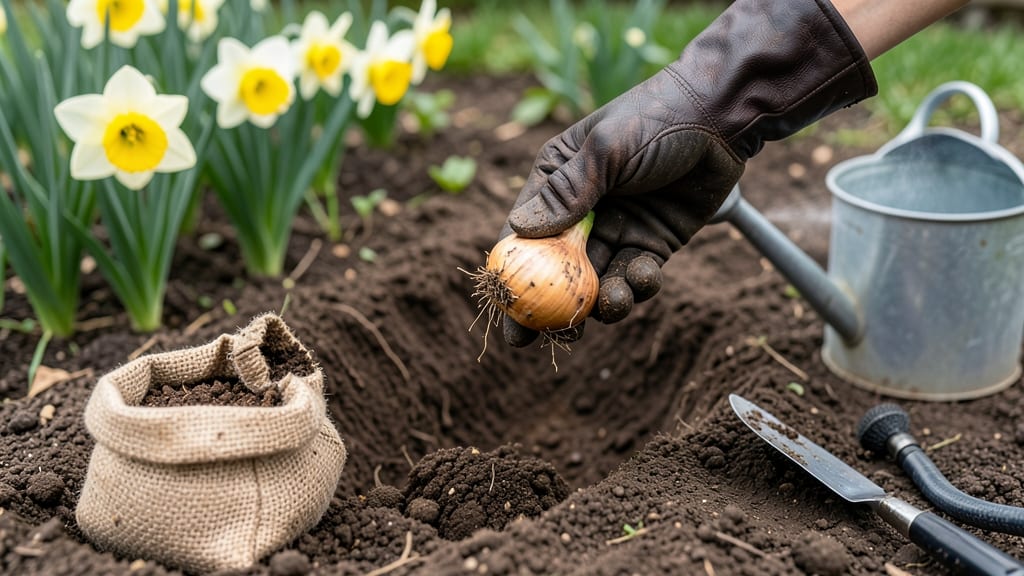
Planting daffodil bulbs at the wrong time in Northern California could mean watching your 🌼 blooms never even emerge—thanks to unpredictable frost patterns and soil that stays too warm too long.
The key to success isn't just picking a month from your calendar, but understanding when your soil hits that 50-60°F sweet spot, which can vary by weeks between the Bay Area and Sacramento Valley.
I've learned the hard way that timing matters more than most gardeners realize. In my own 8a-9b zone yard, bulbs planted in early October thrived, while those dropped in late November often struggled with erratic winter weather.
The difference? Soil temperature—and knowing how to check it before committing to a planting date.
This guide breaks down exactly when to plant your daffodil bulbs based on real Northern California conditions, including microclimate tricks to extend your window safely.
You'll discover how to use simple tools to predict frost risk and adjust your schedule accordingly—so you can enjoy those cheerful yellow blooms come spring without the guesswork.
Whether you're a first-time gardener or a seasoned pro, these insights will help you avoid common mistakes that waste bulbs and money. Let's get your daffodils off to the best possible start—because the right timing makes all the difference between a dazzling display and a disappointing flop.
Best planting months for daffodil bulbs in Northern California by microclimate
Northern California's diverse climate means your daffodil planting window depends heavily on your exact location. Coastal areas like San Francisco and Santa Cruz have milder winters, while inland regions like Sacramento and Chico experience colder temperatures and earlier frosts. Even mountain areas like Lake Tahoe have drastically different frost dates.
For all regions, the ideal soil temperature for planting daffodil bulbs is between 50-60°F at a depth of 4-6 inches. This ensures roots establish before winter dormancy. Planting too early risks frost heave, while waiting too long may leave bulbs vulnerable to cold snaps.
Here’s how to match your microclimate to the perfect planting window:
| Microclimate | Ideal Planting Window | Soil Temp Threshold | Last Frost Date | Notes |
|---|---|---|---|---|
| Coastal (San Francisco, Monterey, Santa Cruz) | Late October - November | 55-60°F | Mid-December | Mild winters; extend window to early December if needed. |
| Bay Area (Oakland, Berkeley, San Jose) | October - November | 50-55°F | Early December | Urban heat islands may delay frost; monitor soil temps. |
| Sacramento Valley (Sacramento, Davis, Stockton) | September - October | 50-58°F | Late November | Colder nights; plant early to avoid frost heave. |
| Mountain Regions (Lake Tahoe, Truckee) | August - September | 45-50°F | Early November | Short growing season; use early-blooming varieties. |
If you’re unsure about your local frost dates, check the National Weather Service or Almanac for your specific ZIP code. For example, Sacramento typically sees its last frost around December 15, while Eureka on the coast may not frost until January 10.
For coastal gardens, you can even plant daffodils as late as early December if soil temperatures remain above 50°F. Inland areas, however, should aim to finish planting by mid-October to give roots time to anchor before winter.
Pro tip: Use mulch (3-4 inches) after planting to insulate bulbs and maintain soil warmth. This is especially critical in USDA Zone 8a areas like Redding, where frosts can be unpredictable.
Remember, daffodils are hardy perennials, but their first-year blooms depend on proper timing. Planting at the right time ensures your bulbs store enough energy to push through Northern California’s mild winters and reward you with vibrant spring blooms.
🌼
How to use soil temperature to time planting for zero frost risk
Checking your soil temperature before planting daffodil bulbs is the secret weapon against frost damage in Northern California. Bulbs need 6-8 weeks to establish roots before winter sets in, and soil at 50-60°F (10-15°C) is ideal.
In my Zone 9a garden, I’ve seen soil temperatures vary by 15°F between shade and sun—so location matters just as much as the calendar.
Start by testing your soil at a 4-6 inch depth (where roots will grow) using a soil thermometer or a meat thermometer (yes, really!). Early mornings are best—soil cools overnight, giving you the lowest daily temp, which is critical for predicting frost risk.
If your soil is above 60°F, wait a few weeks; if it’s below 50°F, you’re too late for the season.
Here’s my step-by-step soil temp method to nail your planting window:
- Test soil temps for 3 consecutive days at the same time each morning.
- Average the temps—this gives you the true baseline for your microclimate. 3.
Plant when temps consistently sit between 50-60°F (this usually aligns with mid-October to early November in most of Northern CA). 4. Use a frost forecast app (like Old Farmer’s Almanac) to adjust if late-season warmth lingers.
🌡️ Step-by-Step Soil Temp Guide for Planting
- Week 1: Buy a soil thermometer ($10) and test temps daily at 4-6" depth.
- Week 2: Record temps for 3 mornings in a notebook. Aim for 50-60°F average.
- Week 3: Check frost risk via National Weather Service or local CoCoRaHS reports.
- Planting Day: Drop bulbs 6" deep when soil is 55°F and frost-free for 2+ weeks.
🌱 Pro Tip: Coastal areas (like San Francisco) can plant 2-3 weeks later than inland zones.
If you’re in a warmer microclimate (like Sacramento Valley), you might plant as early as late September, but coastal gardeners should wait until November. I once planted bulbs in early October in my shady backyard—only to have them rot in cold, wet soil.
Lesson learned: Soil temp > calendar date every time.
For extra safety, use mulch (straw or leaves) after planting to insulate bulbs and delay frost penetration. In my Zone 9b garden, a 3-inch mulch layer has added 1-2 weeks to my planting window. Just avoid piling mulch directly against bulb stems—keep it 2 inches away to prevent rot.
Don’t stress if your soil stays warm late—daffodils are hardy, but root establishment is non-negotiable. The earlier you plant within the 50-60°F window, the stronger your blooms will be next spring.
And if you miss the window? January is your last chance—just plant shallower (4 inches deep) and water lightly until spring.