
Plants
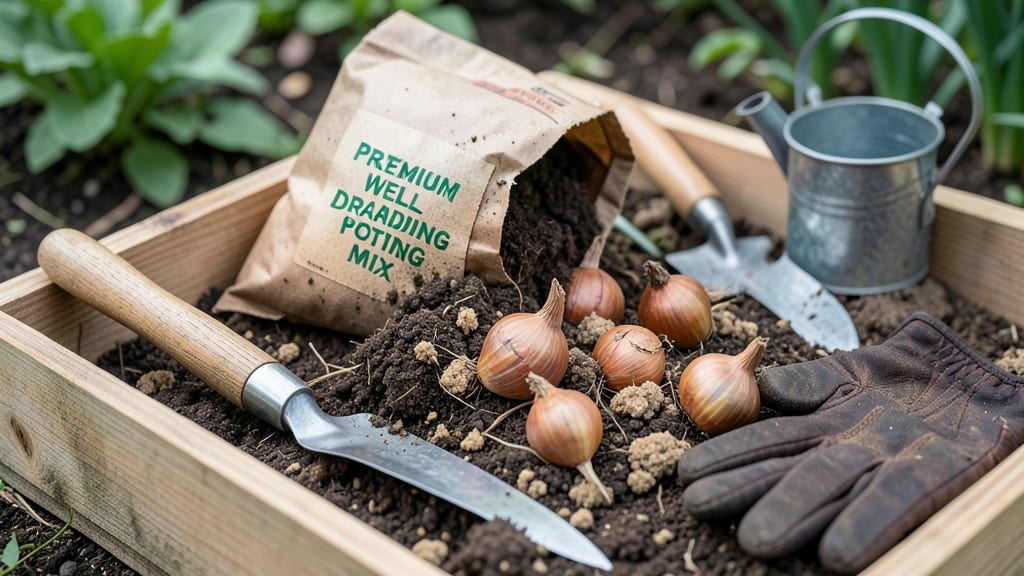
Timing your daffodil planting in New York can mean the difference between a garden bursting with cheerful 🌼 blooms by spring and bulbs that never make it past winter. With USDA Zones 5b-7a bringing unpredictable frost patterns, getting those bulbs in the ground at just the right moment is key.
Most gardeners swear by fall planting—between October and November—when soil temperatures drop but before the ground freezes solid. This gives daffodils time to establish roots before winter dormancy, setting them up for vibrant spring displays.
But what if you missed that window? Don’t worry—early spring planting in March or April can still work, especially for late-blooming varieties.
Here’s the game-changer: in New York’s climate, planting 6-8 weeks before your first frost date (usually around November 1 in most regions) ensures your daffodils have enough time to root deeply.
Whether you’re in Upstate, NYC, or Long Island, I’ll break down the exact timing you need for zero-frost blooms—and how to adjust if Mother Nature throws you a curveball.
Ready to transform your garden into a springtime spectacle? Let’s dive into the NY-specific strategies that’ll have your daffodils popping up right on schedule, year after year.
Best planting months for daffodils in New York by region
New York’s climate varies dramatically from Upstate’s colder Zone 5b to NYC’s milder Zone 7a, making planting timing critical. Daffodils thrive when planted 6-8 weeks before ground freezes—but exact dates shift 1-2 weeks per region.
Let’s break it down by zone to ensure your bulbs root before winter’s chill sets in.
For Upstate New York (Zones 5-6), the sweet spot is mid-October through early November. This gives bulbs time to establish roots before the first frost, typically hitting early November.
In NYC and Long Island (Zone 7), you’ve got a little more flexibility—late October to mid-November works perfectly, as frost arrives later.
Don’t overlook early spring planting (March-April) as a backup! While fall planting is ideal, bulbs can also go in as soon as soil is workable (around 40°F). Just be ready to protect them if late frosts sneak in.
Pro tip: Check your local last frost date (usually mid-April in most of NY) and plant bulbs 6-8 weeks prior. For example, if frost hits November 15, aim for September 25-October 15 planting.
Soil temperature matters too! Daffodils need 50-60°F soil to root. Use a soil thermometer to confirm—if it’s below 50°F, wait a week or two. Cool soil slows root growth, leaving bulbs vulnerable to frost damage.
| Region | USDA Zone | Ideal Planting Window | Soil Temp for Planting | First Frost Date |
|---|---|---|---|---|
| Upstate (Albany, Buffalo) | 5b-6a | Mid-October – Early November | 50-60°F | Early November |
| NYC (Manhattan, Bronx) | 7a | Late October – Mid-November | 50-60°F | Mid-November |
| Long Island (Huntington, Suffolk) | 7a-7b | Late October – Early December | 50-60°F | Late November |
| Western NY (Rochester, Syracuse) | 6a-6b | Late September – Early November | 50-60°F | Early November |
Note: Adjust dates 1-2 weeks earlier if your area experiences early frosts.
Missed the fall window? No problem! Early spring planting (March-April) works too, especially for late-blooming varieties. Just plant bulbs 2-3 inches deep and cover with mulch to protect from late frosts. In NYC, where winters are milder, you can even plant as late as early December.
For container gardeners, plant daffodils in pots by mid-October to match outdoor timing. Use well-draining soil and place containers in a protected spot (like a garage or under eaves) if frost threatens. Move them back outside in early spring once soil warms.
Remember: Bulbs need 6-8 weeks of root growth before winter. If you’re unsure, err on the earlier side—daffodils planted too late may not bloom as vigorously. Use a moisture meter to check soil readiness; it should be damp but not soggy.
Local resources like Cornell Cooperative Extension offer free frost date maps for NY. Bookmark their garden calendars to stay ahead of seasonal shifts. With the right timing, your daffodils will reward you with bold spring blooms year after year! 🌼
How to time daffodil planting for zero-frost spring blooms
Timing your daffodil planting isn’t just about picking a month—it’s about reading your local frost dates and soil conditions like a pro.
In New York, where USDA Zones 5b-7a bring early freezes and late thaws, planting too soon can leave bulbs vulnerable to rot, while waiting too long risks shallow roots that won’t survive winter. The key?
Aim for 6-8 weeks before your first frost, typically between mid-October and early November for most of the state.
But here’s the catch: New York’s frost dates vary wildly by region. Upstate areas like Syracuse or Buffalo often see frost by October 20, while NYC or Long Island might hold off until November 10.
Use the National Weather Service’s frost maps or your local Cooperative Extension office to pinpoint your exact window. Pro tip: If you’re unsure, plant early October—daffodils are tough enough to handle a little chill, and they’ll thank you with deeper roots by spring.
For those who miss fall planting (or want to experiment), early spring planting in March or April can still work—especially for late-blooming varieties like ‘Ice Follies’ or ‘Salome.’ Just plant as soon as the soil is workable (around 40°F) and 6 weeks before your last frost date.
This gives them time to establish before summer heat sets in. The trade-off? Spring-planted bulbs may bloom 1-2 weeks later than their fall counterparts.
Warning: Common Mistakes That Kill Daffodils
- Planting too deep: Daffodils need 6-8 inches of soil over the bulb—any deeper, and they’ll struggle to push through. Use your shovel as a guide: the bulb should sit at the depth of 2-3 times its height.
- Skipping soil prep: Amend clay-heavy NY soil with compost or sand to improve drainage. Waterlogged bulbs rot faster than you’d think!
- Ignoring frost warnings: If a hard freeze is forecast within 2 weeks of planting, delay until conditions stabilize. Bulbs won’t root in frozen ground.
- Over-fertilizing in fall: Daffodils store energy in their bulbs—too much nitrogen now = soft, floppy stems later. Stick to a low-phosphorus fertilizer (like 5-10-10) in early spring instead.
Don’t let unpredictable NY weather derail your plans. If you’re planting in October and temperatures fluctuate, opt for well-draining beds and cover newly planted bulbs with straw mulch to insulate them. For November plantings, focus on southern exposures where soil warms faster in spring.
And if you’re in Zone 7a (e.g., Long Island)**, you might squeeze in a late-November planting—just monitor soil temps with a thermometer (aim for 40-50°F).
For zero-frost blooms, pair your planting date with the right daffodil variety. Early bloomers like ‘Carlton’ need to be in the ground by late September, while latecomers like ‘Thalia’ can wait until mid-November.
Check the bloom-time chart on your bulb package—it’s your roadmap to timing perfection. And if you’re layering bulbs (planting daffodils under tulips, for example), space them 3-4 inches apart to avoid crowding as they grow.
Remember: daffodils are frost-hardy, but their roots aren’t. The goal is to give them 6-8 weeks of root growth before winter sets in. Whether you’re a fall traditionalist or a spring experimenter, New York’s climate rewards gardeners who plan ahead—and your future spring blooms will prove it.
Now grab those bulbs and let’s get planting!