
Plants
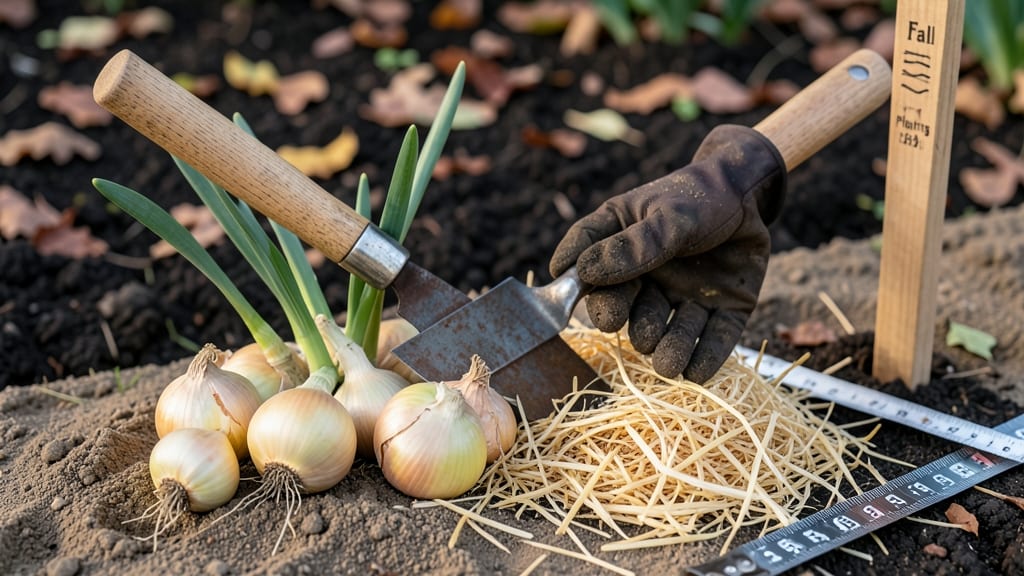
Planting daffodil bulbs at the wrong time in Alabama could mean waiting years for those cheerful 🌼 blooms to appear - and nobody wants that! The key to vibrant spring displays lies in understanding your local frost dates and soil conditions, which can vary dramatically across the state's 7b-8a zones.
Most gardeners assume fall planting means "as soon as possible," but Alabama's humid climate demands a more strategic approach. Planting too early risks rot, while waiting too long leaves bulbs vulnerable to winter's chill. I'll show you exactly when to get those bulbs in the ground for maximum success.
We're talking about a 6-8 week window before your first hard frost - typically between late October and December - that makes all the difference. This timing ensures bulbs establish roots before winter sets in, giving you stronger plants and bigger blooms next spring.
Ready to transform your yard into a springtime daffodil paradise? Let's dive into the precise planting schedule and soil prep tips that work perfectly for Alabama's unique growing conditions.
Best months to plant daffodil bulbs in Alabama’s climate zones
Alabama’s mild winters and humid climate create unique challenges for planting daffodil bulbs. Unlike northern states, we don’t face harsh freezes that force an early planting window. Instead, our USDA zones 7b-8a give us flexibility—but timing still matters to avoid bulb rot or premature sprouting.
The golden rule? Plant 6-8 weeks before your average first frost date, which typically lands between mid-October and early November across most of the state.
For northern Alabama (zones 7a-7b), aim for late October to early November when soil temperatures drop below 60°F. In central and southern Alabama (zones 8a-8b), you’ve got until mid-November—but don’t wait too long, or your bulbs may sprout before winter sets in.
My personal trick? Check your local Alabama Cooperative Extension frost dates each year—they’re more precise than generic calendars.
Here’s the kicker: Alabama’s unpredictable weather means soil conditions matter more than calendar dates. Wait until the ground cools to 50-60°F about 6 inches deep. Cold soil helps prevent rot, while warm soil encourages root growth without forcing early shoots.
Pro tip: Test with a soil thermometer—it’s cheaper than guessing and losing bulbs.
If you’re in zone 8a or warmer, you might even squeeze in a January planting for late-winter blooms. Just plant shallower (only 4-6 inches deep) and water lightly until spring. This works best for dwarf varieties like ‘Tête-à-Tête’ or ‘Mini Star’ that handle our mild winters better.
One common mistake Alabama gardeners make? Planting too early in September when soil is still warm. This can trigger premature sprouting, leaving tender shoots vulnerable to squirrels, deer, or sudden cold snaps.
Always prioritize soil temperature over calendar dates—your daffodils will thank you with bigger, brighter blooms next spring.
Let’s talk about Alabama’s clay-heavy soil, which can be a double-edged sword for daffodil bulbs. While clay retains moisture (great for bulbs), it can also bake hard in summer or stay soggy in winter—both deadly for daffodil roots.
That’s why I always amend planting beds with 1/3 compost and 1/3 coarse sand or perlite to improve drainage. Think of it as giving your bulbs a fluffy, airy blanket to settle into.
Another Alabama-specific tip? Mulch heavily after planting—use 3-4 inches of pine straw or shredded leaves to insulate bulbs from temperature swings. Our winters can jump from 70°F to 30°F in a week, and mulch acts as a buffer. Just
For container gardening in Alabama, the rules shift slightly. Use fast-draining mixes (like 50% potting soil, 30% perlite, 20% vermiculite) and plant bulbs in October-November. Keep containers in a shady spot until December, then move them to bright light. This mimics Alabama’s gradual winter cooling and prevents early sprouting.
How to prepare Alabama soil for daffodil bulbs: a step-by-step guide
Alabama’s clay-heavy soil and humid climate can make daffodil bulb planting a challenge if you don’t prepare properly. The key is creating a well-draining, nutrient-rich environment that mimics the bulbs’ natural habitat.
Without proper prep, your daffodils might rot before they even bloom. Let’s fix that with my proven soil prep method.
Start by testing your soil’s pH level—daffodils thrive in slightly acidic to neutral soil (6.0-7.0). Alabama’s native soil often tests higher, so you may need to add sulfur or peat moss to adjust. Grab a simple soil test kit from your local garden center for accurate results before digging.
Next, loosen the soil to a depth of 12 inches using a garden fork or tiller. This breaks up compacted clay and helps roots penetrate easily. If your soil feels sticky when wet, mix in compost or aged manure to improve texture and fertility.
Aim for about 2-3 inches of organic matter per square foot.
pH 6.0-7.0 | Add sulfur if too alkaline
12" depth | Break up clay with fork
2-3" compost | Improves drainage
Gravel or sand at bottom of hole
2" mulch | Protect from winter chill
For extra insurance against Alabama’s wet winters, create a drainage layer in your planting holes. Mix in gravel or coarse sand at the bottom before placing bulbs. This prevents water from pooling around the roots, which is especially critical in Alabama’s high-rainfall zones.
Think of it as building a tiny drainage system for each bulb.
After planting, apply a 2-inch layer of mulch around (not over) your bulbs. Use pine straw or shredded leaves to insulate them from temperature swings. This is particularly important in Alabama’s Zone 7b areas where winters can be unpredictable.
Mulch also helps suppress weeds that compete with young daffodil shoots in spring.
One common mistake Alabama gardeners make is over-fertilizing at planting time. Instead, use a low-nitrogen fertilizer (like 5-10-10) sparingly—just 1 tablespoon per 10 square feet. Too much fertilizer can encourage leafy growth at the expense of blooms, and daffodils store energy in their bulbs for next year’s flowers.
Save heavier feeding for early spring when shoots emerge.