
Plants
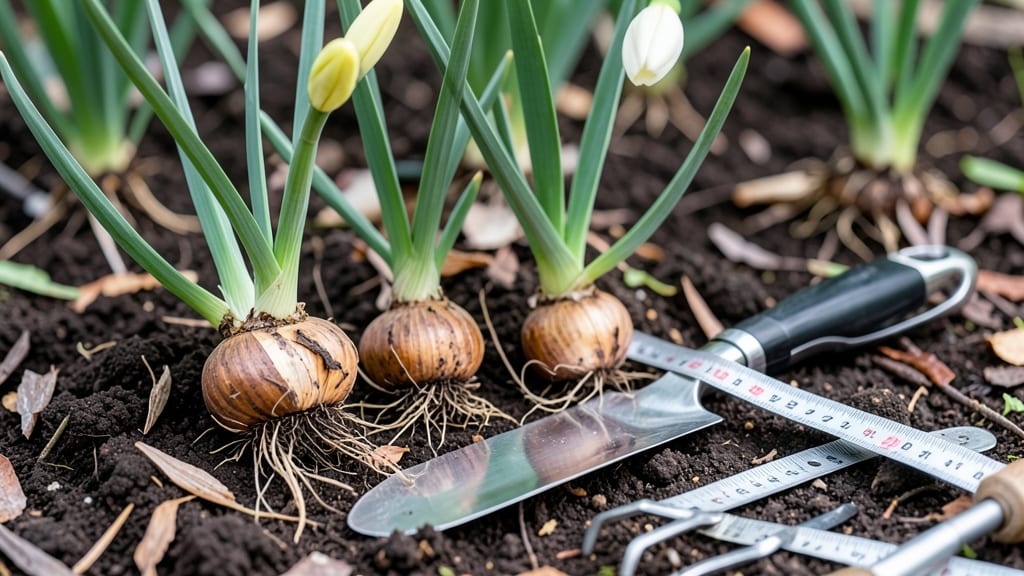
If you’ve ever wondered when to plant daffodils in Virginia, timing is the secret to vibrant blooms that outshine your neighbors’ gardens. Plant too early, and frost will turn your bulbs to mush; too late, and they’ll struggle to root before winter sets in.
In USDA Zone 7b, the sweet spot is October through November, when soil temps hover around 50°F—just cool enough to encourage root growth without risking bulb rot.
Why does this matter? Because Virginia’s unpredictable winters can throw off even the most eager gardeners. The key is planting 6 weeks before the ground freezes, giving those 🌼 daffodil bulbs time to establish roots while avoiding the damp, cold soil that invites rot.
Skip the guesswork with these proven deadlines tailored to your zone, so your garden becomes a splash of color by spring.
You’ll also discover how to prep your soil—especially if you’re dealing with Virginia’s clay-heavy dirt—and which daffodil varieties thrive in your climate. Plus, I’ll share my go-to tricks for mulching and protecting bulbs from squirrels, because even the best-laid plans need a little extra care.
Let’s get those bulbs in the ground the right way.
Ready to transform your yard into a daffodil paradise? The next few weeks are your window—don’t miss out. I’ll walk you through every step, from soil prep to post-planting care, so you can enjoy those cheerful blooms year after year without the stress.
Best planting months for daffodils in Virginia’s USDA Zone 7b
Virginia’s USDA Zone 7b offers a narrow but critical window for planting daffodils—aim for late October through mid-November to ensure bulbs establish roots before winter’s first frost. This timing aligns with soil temperatures between 40–50°F, ideal for root growth without encouraging premature sprouting.
Missed the window? You can still plant in early December, but expect smaller blooms the following spring. The key is to plant 6 weeks before the ground freezes, which in Virginia typically occurs around November 1—though this varies yearly.
For extra success, align your planting with the moon’s root phase (waxing gibbous to full moon). This traditional method boosts root development, especially in Virginia’s clay-heavy soils, which can slow drainage.
If you’re in Zone 7a (northern Virginia), shift planting to mid-October to avoid early frosts. Southern Virginia (Zone 8a) can extend planting to early December, but prioritize soil prep first.
🌼 Virginia Daffodil Planting Timeline
| Month | Ideal Planting Window | Soil Temp (°F) | Notes |
|---|---|---|---|
| September | Early (Zone 8a only) | 60–70°F | Risk of sprouting before frost |
| October | Best time (Zone 7b) | 50–60°F | Optimal root establishment |
| November | Late (before frost) | 40–50°F | Smaller blooms if planted late |
| December | Emergency only | 35–45°F | Use mulch for insulation |
Pro tip: Use a soil thermometer to confirm temperatures. If your garden sits in a microclimate (e.g., near a heat-retaining wall), you may extend planting by 1–2 weeks. Just avoid planting when nighttime temps dip below 40°F.
For container planting, shift the timeline 2–3 weeks earlier. Containers cool faster and are more vulnerable to frost. Place pots in a sheltered spot or use black plastic mulch to retain heat.
Remember, daffodils planted in fall bloom the following spring—a bright contrast to Virginia’s gray winters. The earlier you plant, the more time bulbs have to develop strong roots, ensuring vibrant blooms by March.
If you’re unsure about your local frost date, check the Virginia Cooperative Extension’s frost calendar or use a frost-sensitive plant (like basil) as a guide. Plant daffodils when basil wilts from the first frost.
Finally, mark your calendar for early March—that’s when your daffodils will reward you with cheerful blooms and a splash of color after Virginia’s long winters. 🌼
How to prepare your Virginia garden for daffodil planting
Preparing your garden for daffodil planting in Virginia’s USDA Zone 7b starts with soil—these bulbs thrive in well-draining, slightly acidic soil with a pH between 6.0 and 7.0. If your yard has clay-heavy soil, mix in 2–3 inches of compost or sand to improve aeration and prevent rot.
Test your soil’s pH using a home test kit or send a sample to your local Cooperative Extension office for precise results.
Choose the right daffodil varieties for your Virginia climate. Hardy types like ‘Ice Follies’ (dwarf, great for borders) or ‘Tête-à-Tête’ (compact, perfect for containers) handle Virginia’s humid summers and unpredictable winters better than tender varieties.
For bold color, opt for ‘Thunderbolt’ or ‘Carlton’, which stand out against Virginia’s lush green landscapes.
Before planting, loosen the soil to a depth of 12 inches using a garden fork or tiller. This helps roots establish quickly in Virginia’s cool fall temperatures.
Amend the soil with well-rotted manure or bone meal (5 lbs per 100 sq ft) to provide phosphorus for strong root growth. Avoid fresh manure—it can burn bulb roots and reduce blooms next spring.
🌱 Key Takeaway: Virginia-Specific Daffodil Prep
- Soil pH: 6.0–7.0 (test with kit)
- Drainage: Amend clay soil with compost/sand
- Fertilizer: Bone meal (5 lbs/100 sq ft) before planting
- Depth: 6 inches deep (2x bulb height)
- Spacing: 4–6 inches apart (8–12 inches for large varieties)
✅ Pro Tip: Plant daffodils in full sun (6+ hours daily) for vibrant blooms and strong stems that withstand Virginia’s occasional spring winds.
Planting depth is critical in Virginia’s variable climate. Set bulbs 6 inches deep (about 2 times their height) to protect them from freeze-thaw cycles.
Space smaller varieties like ‘Tête-à-Tête’ 4–6 inches apart, while larger types like ‘Thunderbolt’ need 8–12 inches of space to prevent crowding and disease. In heavy clay areas, consider raised beds to improve drainage and root health.
After planting, apply a 2–3 inch layer of mulch (straw or shredded leaves) to insulate bulbs from Virginia’s cold winters and retain moisture during dry spells. Avoid thick mulch layers—too much can suffocate bulbs and cause rot.
Water deeply once after planting to settle the soil, then reduce watering until spring rains return. This mimics Virginia’s natural rainfall patterns and prevents overwatering.
For extra protection, plant daffodils in groups of 3–5 bulbs to create a natural barrier against squirrels and deer, which love digging up bulbs in Virginia’s wooded areas.
If pests are a problem, install wire mesh barriers (1/4-inch hardware cloth) around planting areas. Choose fragrant varieties like ‘Paperwhite’—their scent often deters rodents naturally.
Finally, mark your daffodil beds with biodegradable flags or landscaping fabric markers to avoid accidentally disturbing them in early spring. Virginia’s unpredictable weather can bring false springs, so wait until after the last frost date (around April 15) to trim dead foliage.
This ensures bulbs store enough energy for next year’s blooms.