
Plants
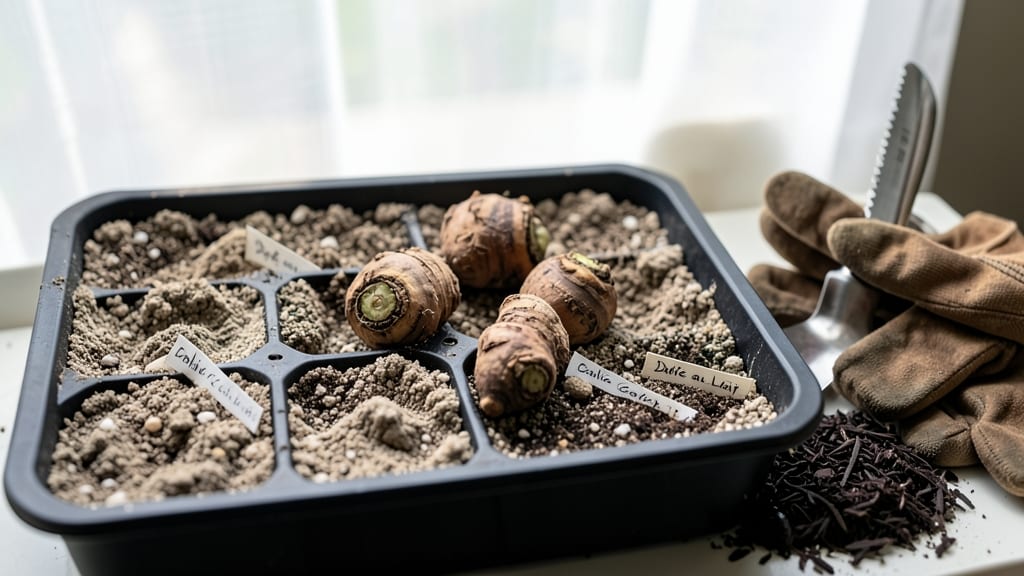
Timing your dahlia bulb planting in Ohio could mean the difference between a showstopping summer garden and a missed opportunity. 🌸 With Ohio's unpredictable frost dates—especially in USDA Zone 6a—getting those tubers in the ground at the right moment is key.
Most Ohio gardeners wait until after the last frost, typically mid-April to early May, but soil temperature matters just as much. Planting too soon in cool, damp soil can rot your dahlias before they even sprout, while waiting too long might cut your blooming season short.
In this guide, I’ll break down the exact frost-free window for Ohio’s zones, soil temperature thresholds, and how to adjust for early or late springs.
Whether you’re growing hardy varieties like 'Café au Lait' or tender types that need extra care, you’ll learn how to time it perfectly for vibrant summer flowers.
Ready to transform your garden? Let’s dive into the step-by-step timeline and pro tips to ensure your dahlias thrive from the moment you plant them.
Ohio dahlia planting timeline by USDA Zone (5 & 6): exact weeks before last frost
Ohio’s USDA zones 5 and 6 create a tight window for planting dahlia tubers—typically between April 15 and May 15, after the last frost.
In northern Ohio (Zone 5), aim for May 1 to avoid late frosts, while southern Ohio (Zone 6) can start as early as April 20. Soil temperatures must reach 55°F+ for tubers to sprout reliably.
Missed the window? No problem—container-grown dahlias can be planted up to June 1, though they may bloom later. Always check your local frost-free date (use the Old Farmer’s Almanac or NOAA for updates).
For example, Columbus gardeners should wait until April 25, while Cleveland’s timeline leans closer to May 5.
Use this soil temperature threshold as your green light: 60°F+ at 4 inches deep. Test with a soil thermometer—cold soil delays growth and invites rot. In Ohio’s variable climate, prepare for a 10-day buffer after your last frost date to account for unexpected cold snaps.
| Zone | Last Frost (Avg.) | Planting Window | Soil Temp Threshold | Notes |
|---|---|---|---|---|
| 5 (Northern OH) | May 1 | May 1–15 | 60°F+ | Use row covers for early starts |
| 6 (Southern OH) | April 20 | April 20–May 10 | 55°F+ | Earlier blooms possible |
| Both Zones | N/A | Up to June 1 (containers) | 60°F+ | Later blooms, shorter season |
For hardy dahlias like 'Café au Lait', you can push the envelope slightly earlier—April 1 in Zone 6—since they tolerate mild frost. However, tender varieties (e.g., 'Galaxy') need consistent warmth and should wait until May 10 in all zones.
Pre-chit tubers indoors 4–6 weeks before planting to jumpstart growth in Ohio’s cool springs.
Ohio’s microclimates matter: Urban areas (like Columbus) warm faster than rural zones, while Appalachian foothills lag behind. Monitor local weather stations or ask nearby gardeners—their dahlias are your best barometer! A 5-day forecast of stable 50°F+ nights is your cue to plant.
Pro tip: Mark your calendar for May 15 as the absolute deadline for in-ground planting. After that, switch to containers or greenhouse starts to salvage your season. Dahlias planted after June 1 may not bloom until late August, cutting your display short.
Prepare your soil 2–3 weeks before planting by amending with compost and a balanced fertilizer (10-10-10). Dahlias thrive in loamy, well-draining soil with a pH of 6.0–7.0. Test your soil now—Ohio’s clay-heavy soils often need sand or peat moss to improve drainage and prevent rot.
Once planted, mulch heavily with straw or shredded leaves to maintain consistent soil temps and retain moisture. This is especially critical in Ohio’s dry summers (June–August), where mulch reduces watering needs by 30–50%soggy soil is a dahlia’s worst enemy.
Track your progress with a planting journal: Note the exact date you planted, soil temp, and variety. In 5 years, you’ll spot patterns—like why your 'Bishop' dahlias always bloom 2 weeks earlier than
How to time dahlia planting for Ohio’s unpredictable weather: pro tips & backup plans
Ohio’s weather can be as unpredictable as a dahlia’s blooms—one day frost, the next a heatwave. To beat the odds, I’ve learned to use row covers, cold frames, and container gardening to extend the season.
These tricks help me plant dahlias 2-3 weeks earlier than the average last frost date, giving my flowers an extra boost before summer’s peak.
First, check your local last frost date—Ohio’s ranges from mid-April in southern zones to late May in northern areas. But don’t rely solely on averages! Use a soil thermometer to confirm the ground is at least 60°F before planting.
Cold soil slows root growth, leaving dahlias vulnerable to rot or stunted blooms.
For extra protection, I pre-chit my tender dahlia tubers indoors 4-6 weeks before the last frost. Place them in a bright, 60-65°F spot with the eyes facing up. Once sprouts are 2-3 inches tall, they’re ready for the garden—hardened off and frost-resistant.
⚠️ Watch for False Springs!
A warm spell in March or early April might trick you into planting early—but frost can still hit in Ohio! If temps drop below 32°F, cover young plants with frost cloth or move containers to a sheltered spot. Better safe than sorry!
🌡️ Pro Tip: Use a weather alert app to track frost warnings in your area.
If you miss the ideal window, don’t panic! Container-grown dahlias can be planted up to 6 weeks later than in-ground varieties. Just ensure the pot has drainage holes and use a lightweight potting mix to prevent soggy roots.
Place containers near a south-facing wall to trap heat and extend the season.
For late bloomers, focus on dwarf varieties like ‘Mignon’ or ‘Tom Thumb,’ which mature faster and tolerate cooler soils. Avoid giant dinnerplate types (e.g., ‘Galaxy’) if planting after mid-May—they need longer to establish and may not bloom as fully.
Finally, mulch around your dahlias with straw or shredded leaves to regulate soil temperature. This keeps roots consistently warm and moist, reducing stress from Ohio’s hot summers or cool nights. With these strategies, even a late start can yield stunning summer blooms!