
Plants
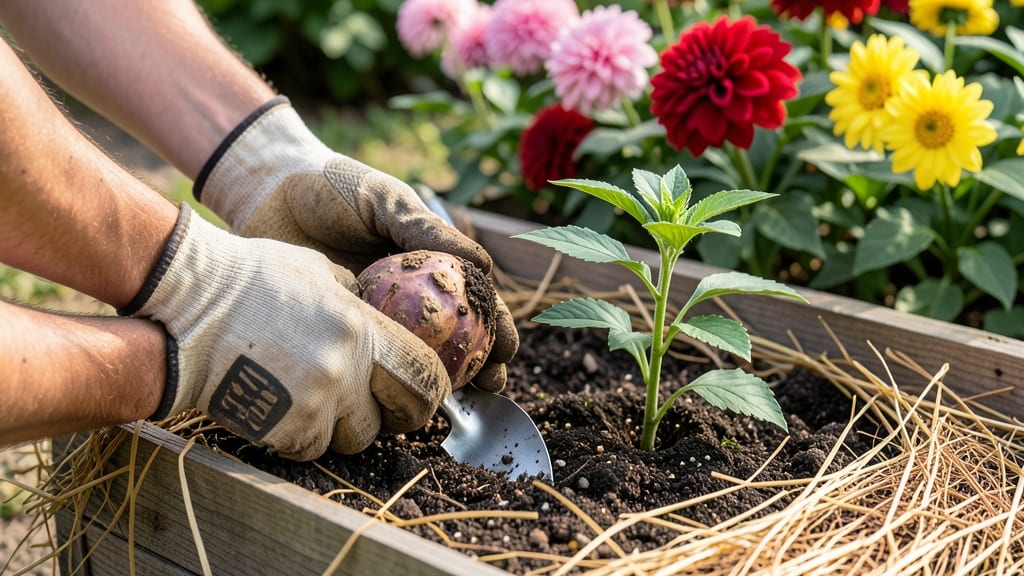
If you’ve ever planted dahlias in Florida only to watch them struggle or fail, you’re not alone—getting the timing right is the key to unlocking those stunning 🌼 blooms all season long.
Florida’s warm climate might seem perfect, but those same temperatures can trick you into planting too early, leaving tubers vulnerable to rot or stunted growth.
The secret lies in waiting for the soil to warm up—typically between 60-65°F—which usually lands in February or March for most of the state.
But here’s the catch: North Florida’s cooler pockets and South Florida’s early heat mean you’ll need to adjust your schedule by region to avoid common pitfalls like fungal issues or weak stems.
In this guide, I’ll break down the exact months to plant dahlias in Florida, how to test your soil without a thermometer, and the game-changer care tips that keep your dahlias thriving from tuber to full bloom.
Whether you’re a first-time gardener or a seasoned pro, these insights will save you time, money, and frustration.
Ready to transform your garden into a dahlia paradise? Let’s dive into the science—and the simple tricks—that make all the difference in Florida’s unique growing conditions.
Florida’s ideal dahlias planting timeline by soil temperature zones
Florida’s three distinct soil temperature zones mean your dahlia planting window varies dramatically from North to South. Unlike northern states, Florida’s frost-free growing season stretches nearly year-round—but soil warmth, not air temperature, determines when to plant.
Aim for 60°F soil temps at 6 inches deep for optimal tuber growth.
North Florida (USDA Zones 8a-9a) has the shortest window, while South Florida (Zone 10b-11) can plant year-round with proper care. Central Florida (Zone 9b-10a) offers the sweet spot for spring and fall plantings.
Let’s break down the exact month-by-month schedule tailored to your region.
| Region | Soil Temp Threshold | Best Planting Months | Fall Planting Window | Key Consideration |
|---|---|---|---|---|
| North Florida (Panhandle, Gainesville) | 60°F+ (after last frost) | Mid-March to early April | Late August to mid-Sept | Wait for consistent 60°F+ soil temps; frost risk until March. |
| Central Florida (Orlando, Tampa) | 60°F+ (year-round possible) | Late February to March | Mid-August to October | Can plant earlier but monitor for spring heat waves. |
| South Florida (Miami, Key West) | 55°F+ (year-round) | January to April | September to November | Plant anytime but avoid summer heat (June-August). |
For North Florida gardeners, the March 1st cutoff is critical—planting before this date risks tuber rot from lingering cold snaps. Meanwhile, South Florida’s extended window lets you enjoy year-round blooms with strategic fall plantings for winter color.
Pro tip: Use black plastic mulch to warm soil faster in cooler months.
Florida’s humidity and heat also affect timing. In Central Florida, aim to plant 6 weeks before the average last frost date (typically mid-March), but adjust for microclimates. Coastal areas stay warmer longer than inland zones, so test your soil’s readiness before committing to a schedule.
If you’re starting dahlias from tubers, pre-sprouting them indoors 4-6 weeks before your region’s planting window gives them a head start. For potted dahlias, you can plant earlier since containers warm faster. Just ensure your garden beds meet the 60°F threshold before transplanting.
For fall blooms, South Florida’s September planting ensures vibrant flowers through December holidays. Central Florida should plant by mid-August, while North Florida’s late August window is tight—don’t wait until September! Use shade cloth if planting early to protect young tubers from intense afternoon sun.
Remember: Soil temperature > air temperature. A 75°F day with 55°F soil will stunt your dahlias. Always check soil warmth before planting—your tubers will thank you with healthier roots and bigger blooms.
Next, we’ll cover how to test soil readiness without a thermometer so you can plant with confidence, even without tools.
🌱
How to tell when Florida’s soil is ready for dahlias (without a thermometer)
Florida’s soil can be deceptive—warm at the surface but still chilly underground. Dahlias need soil temperatures of at least 60°F (15°C) to thrive, but guessing wrong can mean slow growth or rotting tubers. Here’s how to test soil readiness without a fancy thermometer, using simple, foolproof methods that work in Florida’s unpredictable climate. Most gardeners overlook the soil texture test, yet it’s one of the easiest ways to gauge warmth. Simply grab a handful of moist soil and roll it into a ball—if it crumbles easily, it’s likely warm enough. If it sticks together like clay, wait a few more days. This method works especially well in Central Florida, where spring warmth can fluctuate wildly between day and night. Another trick is to watch native plants like snapdragons or marigolds. When these hardy annuals start sprouting vigorously, your soil is usually ready for dahlias. In North Florida, aim for early March, while South Florida gardeners can plant as early as late February. Pay attention to morning frost warnings—even if daytime temps feel warm, nighttime dips can still harm tender dahlia tubers. For a more precise (but still no-tech) approach, try the potato test. Bury a raw potato in your garden bed for 24 hours. Dig it up—if it’s soft, your soil is too cold. If it’s firm, it’s likely warm enough. This method is my go-to for container gardening, where soil heats up faster but can also cool down quicker than in-ground beds. Don’t forget to check mulch depth. A thick layer of straw or pine bark can delay soil warming by 1-2 weeks, so adjust your planting timeline accordingly. In humid South Florida, mulch helps retain moisture, but in drier North Florida, it might actually slow warming. Balance is key—aim for 2-3 inches of organic mulch once your soil passes the readiness tests. If you’re planting in raised beds, they warm up 2-3 weeks faster than in-ground soil. Start your soil tests a week earlier for raised beds to account for this speed boost. This is especially useful for urban gardeners with limited space—you can get a head start on the season without risking frost damage. Finally, trust your touch. Stick your finger 4-6 inches deep into the soil (where you’ll plant the tubers). If it feels warm to the touch—like a cozy bath—your dahlias are ready. If it’s cool or damp, wait another week. This tactile method is my favorite because it’s instant, free, and reliable, even in Florida’s unpredictable spring weather.🌱
🌡️ 5 Signs Your Florida Soil Is Ready for Dahlias
- 🌱 Soil crumbles when moistened (texture test)
- 🌿 Native plants like marigolds are sprouting vigorously
- 🥔 Potato test: Firm after 24 hours in soil
- ☀️ Morning frost warnings have ended for your region
- 👆 Finger test: Soil feels warm 4-6" deep
Pro Tip: North Florida = Wait until early March; South Florida = Late February is safe.
✂️